




All About Montana Sapphires
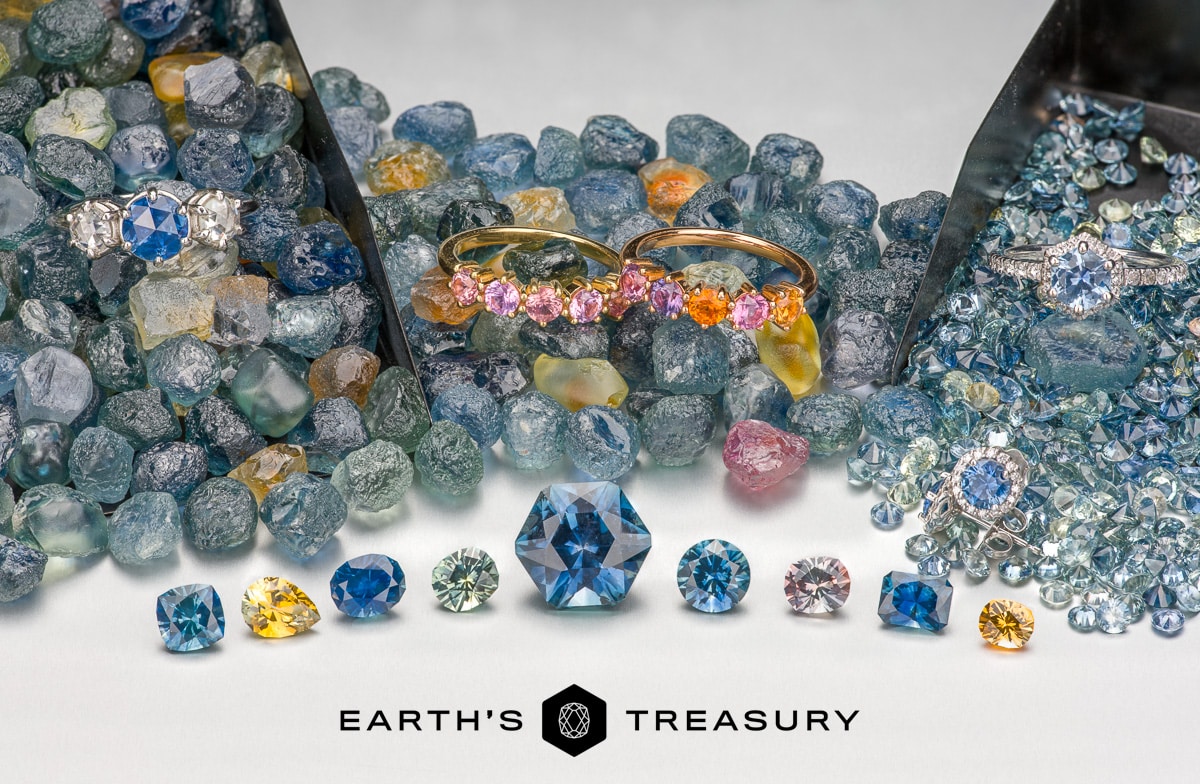
One of our specialties at Earth’s Treasury is Montana Sapphires–literally sapphires that have been mined in the United States in the state of Montana. In recent years these sapphires have grown in popularity, in no small part due the attention we have tried to bring to these beautiful gemstones, but also due to increased interest in ethically sourced gemstones and finally because since 2016 a new mine has been operating, bringing greater availability of these beautiful gems to the market. Each year we cut more than 1,500 of these sapphires over one carat in weight, and we sell a more than a thousand of those. As result, while have a large inventory to choose from, the gems available are constantly changing. Continue reading to learn more about these beautiful American gemstones.
Overview
Sapphires have been known to occur in Montana for over 150 years and have been actively mined there for more than 100 years. However, even with all of that history they still do not have the recognition I feel they deserve. Part of this is no doubt due to the fact that the most desirable blue sapphires are not common in the Montana deposits. Most of the sapphires from Montana are a pale green to blue-green when they are mined, with very limited numbers of deep blues and other fancy colors such as yellow, orange, violet and pink. While some of the Montana sapphires can be heated to produce more desirable shades of blue, many cannot due to the chemistry of the sapphires. However, the growing popularity of colored gemstones in general and American gemstones in particular have helped raise the profile of these gorgeous gems in recent years. This has been helped by a growing appreciation for natural unheated gems and the wide variety of colors they come in before being altered by humans.
Where are sapphires found in Montana?
Montana is the only state in the United States with any significant production of gem-quality sapphires. There are four localities where sapphires are found in Montana, and only one of them is a primary deposit–the others are all either eluvial or alluvial deposits. The primary deposit is at Yogo Gulch, where extremely fine blue sapphires were first found when gold miners had blue pebbles turn up in their sluice boxes in the late 1860’s. It wasn’t until 1894, however, that they are recognized as valuable, when a sample was sent to George Kunz at Tiffany’s in New York. What made these sapphires so remarkable was their intense blue and violet colors and extremely high clarity. The original lamprophyre lava dike that was the source of the sapphires was located and subsequently mined from 1899 through roughly 1920, but production was low and the stones primarily small. Since that time there have been intermittent efforts at mining the Yogo sapphires, but larger supplies of sapphires from Sri Lanka, Thailand and elsewhere as well as the small size and difficulties in mining at Yogo Gulch have made modern significant mining of these gems uneconomical–at least on a large scale.
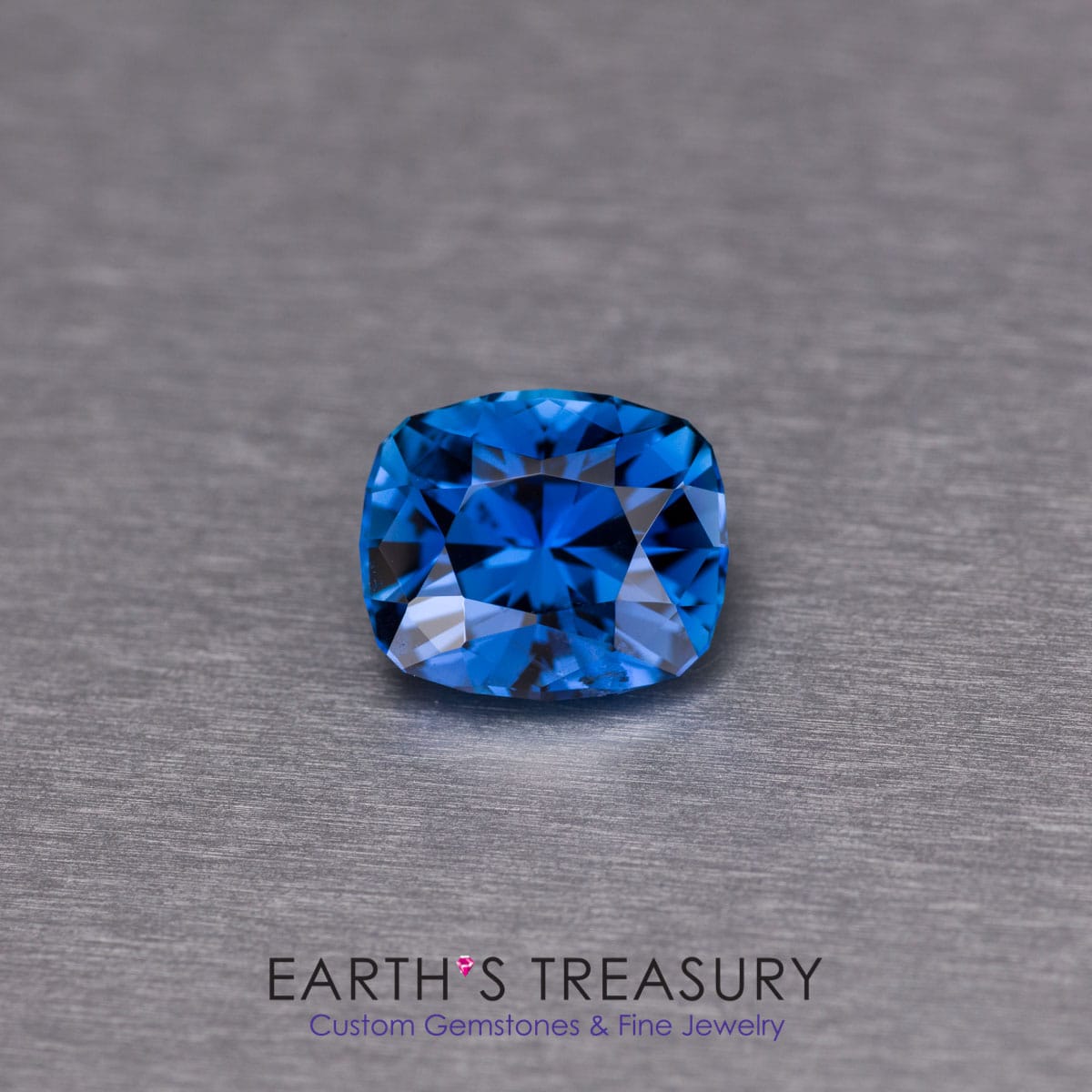
In the mid to late 1800’s several other deposits of sapphires were located in Montana, all alluvial and all located while miners were looking for gold placers. The largest and most significant deposit is located in the aptly named Sapphire Mountains west of Butte in the upper Rock Creek drainage. These sapphires are abundant, but tend to be very small, averaging just over one carat in the rough. While they have high clarity, their high iron content means that most of these sapphires are a light green color and not the desirable blues, at least as they are mined from the ground. Natural yellows, oranges, pinks and the occasional blues are found in this deposit. The Rock Creek deposit was mined from 1906 through 1943 for industrial uses such as abrasives and the jewels used in watch making. With the advent of inexpensive synthetic sapphire, this mining became uneconomical.
With the development of modern heat treatment technologies in the 1970’s and 1980’s there was renewed interest in this deposit as the gems can be heated to a wide array of fancy colors, and under reducing conditions many turn a beautiful deep blue color. While the small size of most of the sapphires here has been a barrier in the past to economical mining, a new company has recently acquired a large amount of land in the area and is now producing sapphire that will be sold to the market soon. They have found non-alluvial deposits on the previously unmined slopes and their marketing information indicates that there are more larger sapphires in these deposits than in the strictly alluvial deposits mined to date. It will be interesting to see how successful this venture is in coming years (see the link below for Potentate Mining, LLC). The famous Gem Mountain fee dig has drawn many to the area for decades; for a small fee you can screen for sapphires from gravel mined from the Anaconda bench.
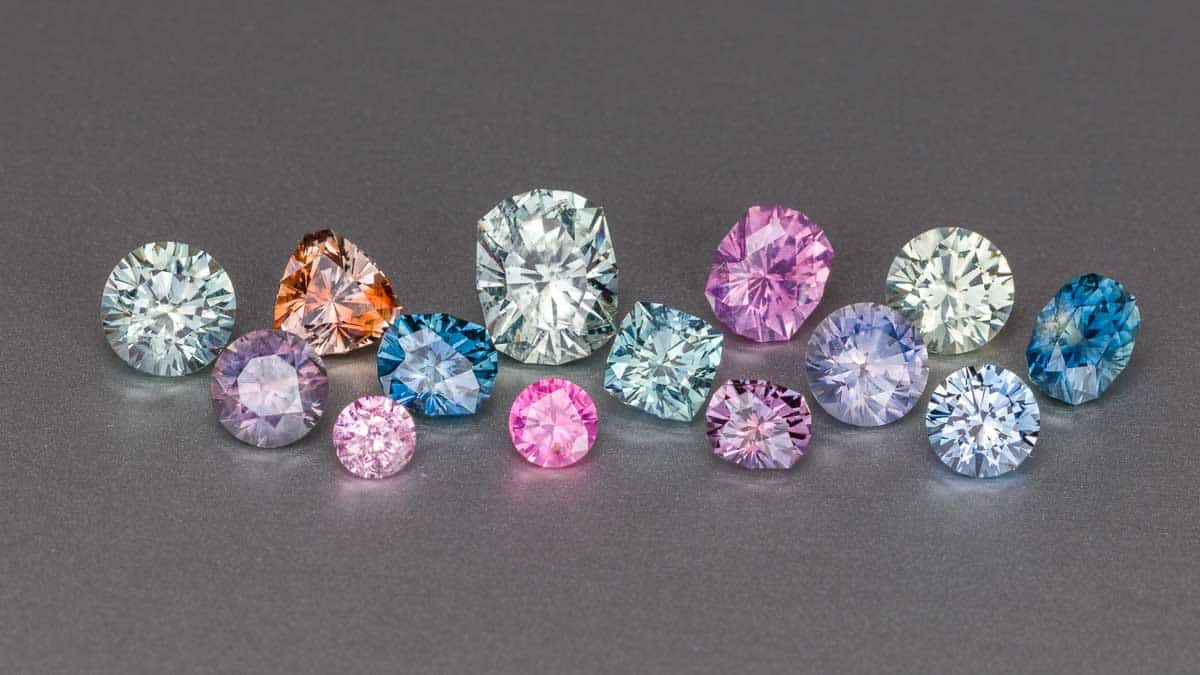
The Missouri River runs just to the northeast of Helena, Montana and is the location of several significant deposits of sapphires. Like the Rock Creek deposit, sapphires were found here during the search for gold, and were first found in the 1860’s. While there were some early efforts in the late 1800’s to mine the sapphires, the colors were not very desirable in the market and most of the mining in this region focused on gold. The ancient alluvial bars were mined for gold with dredges around the turn of the century, although some sapphires were captured and retained. The two primary sapphire-mining localities along the Missouri River are the El Dorado Bar and the Spokane Bar. Sapphires from these Missouri River deposits tend to be larger than those found at Rock Creek or Yogo Gulch, and typically have very high clarity. The colors tend to be somewhat pale or pastel in nature and the blue sapphires that are found tend to have a greenish hue to them. That said, this color has now become associated with Montana sapphire and many (myself included) find the range of pastel hues to be beautiful and therefore highly desirable. Today these deposits are worked by a number of small-scale hobbyist and artisanal miners. Heat treatment of these sapphires is less common as most of the sapphires will not improve much in color with heating although in some cases they can
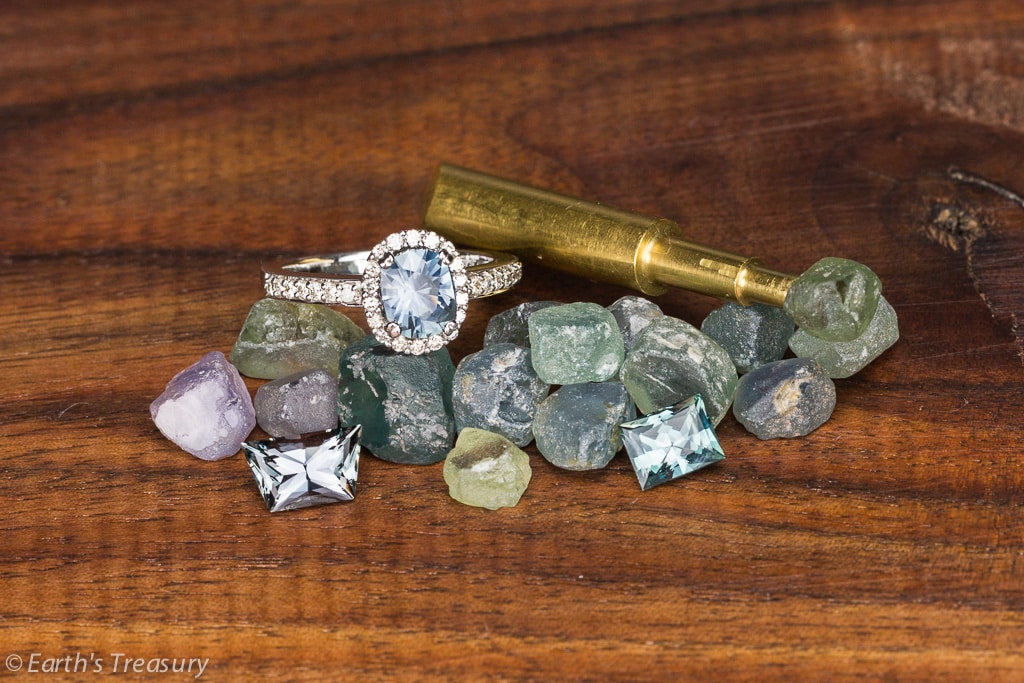
The last Montana deposit of sapphires worth noting is on Dry Cottonwood Creek, northwest of Butte. These are also alluvial sapphires and were mined in combination with placer gold in the first decade of the 1900’s. Like the other sapphire deposits, the colors tend to be pale. The sapphires from Dry Cottonwood Creek tend to be larger but flat and plate-like in their crystal habit, limiting their use for faceting gems. Very limited hobbyist mining has occurred here in the past.
Treatments
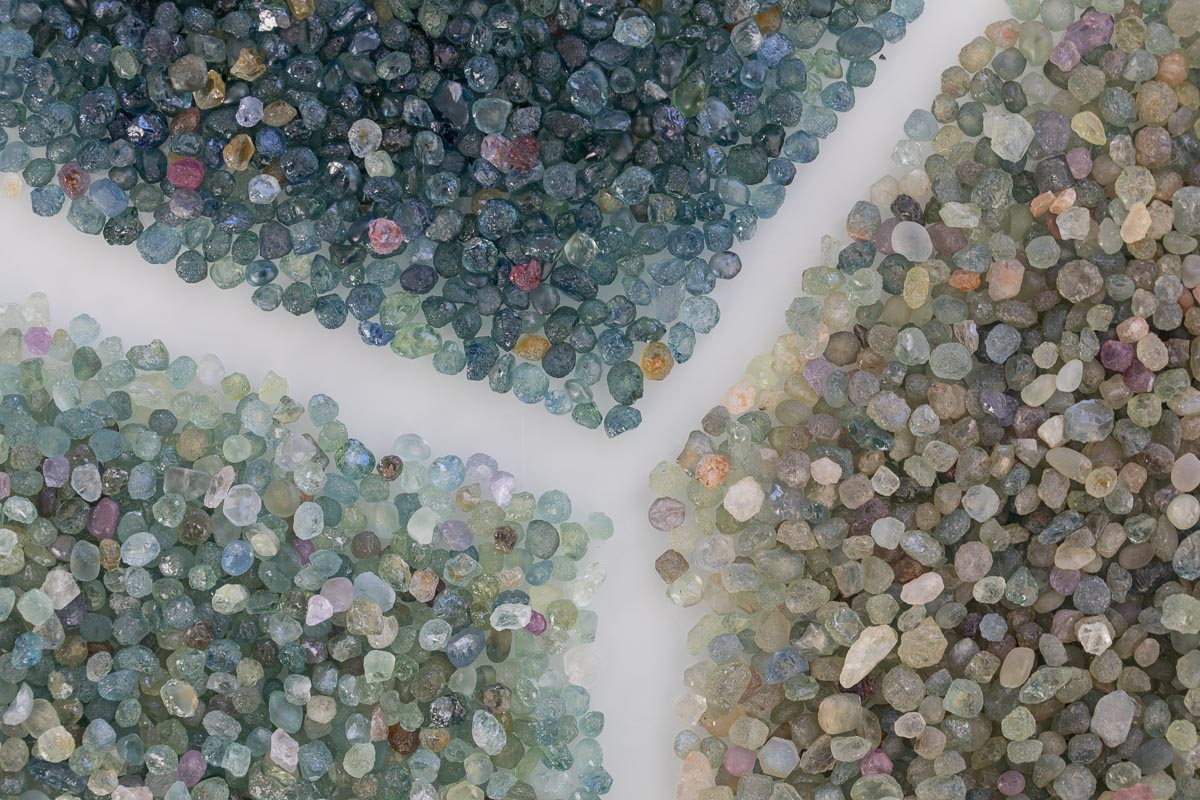
Most natural sapphire sold on a global basis has been heated to improve clarity and color. Modern high-temperature heating processes for sapphire became commonplace in the 1980s but most of the Montana sapphires only improved in clarity and not color–the colors produced were often yellows or greens–not the most desirable of sapphire colors relative to more desirable blue and blue-green hues. With the discovery of the process of heating sapphire under reducing conditions, the Montana deposits were reevaluated. While the Rock Creek sapphires respond very well to heating under reducing conditions–producing fine blues–a smaller percentage of the Missouri River and Dry Cottonwood Creek stones react in the same way. Combined with the generally small size of the gems, this has continued to limit the economic potential of large-scale sapphire mining in Montana. The photo below shows how well the Rock Creek Montana Sapphires will respond to heat treatment. The dull stones in the lower right are just as they are mined, and are still covered with oxide staining and some soil remnants. On the lower left is rough that has been subjected to acid washing to clean the oxide and soil residues away, allowing us to carefully assess it for whether we can cut it without heat treatment or whether we have to heat it. We generally have to heat about 95% of the rough mined to improve the clarity and color saturation. The final heated sapphire rough is at the top of the image–not the significant improvement in color. Close examination would show that the clarity has also been dramatically improved.
Use in jewelry
Sapphires make outstanding gemstones for a wide variety of uses because of their brilliance, wonderful range of colors and excellent hardness–second only to diamonds. They are very tough as they do not have well-defined cleavage. This means they are excellent choices for daily-wear rings such as engagement rings. Indeed, sapphire is the default choice for an engagement ring gem in many parts of the world and is enjoying a growing resurgence here in the United States.
Buy Montana Sapphires
You can look at our current inventory of Montana sapphires by clicking here: Montana Sapphires. We have one the largest inventories of Montana Sapphires available in the world and we are constantly adding new stones.
External Links
Heat Treating the Sapphires of Rock Creek … – GIA.edu
Gem Mountain Sapphire–Rock Creek Sapphire Fee Dig