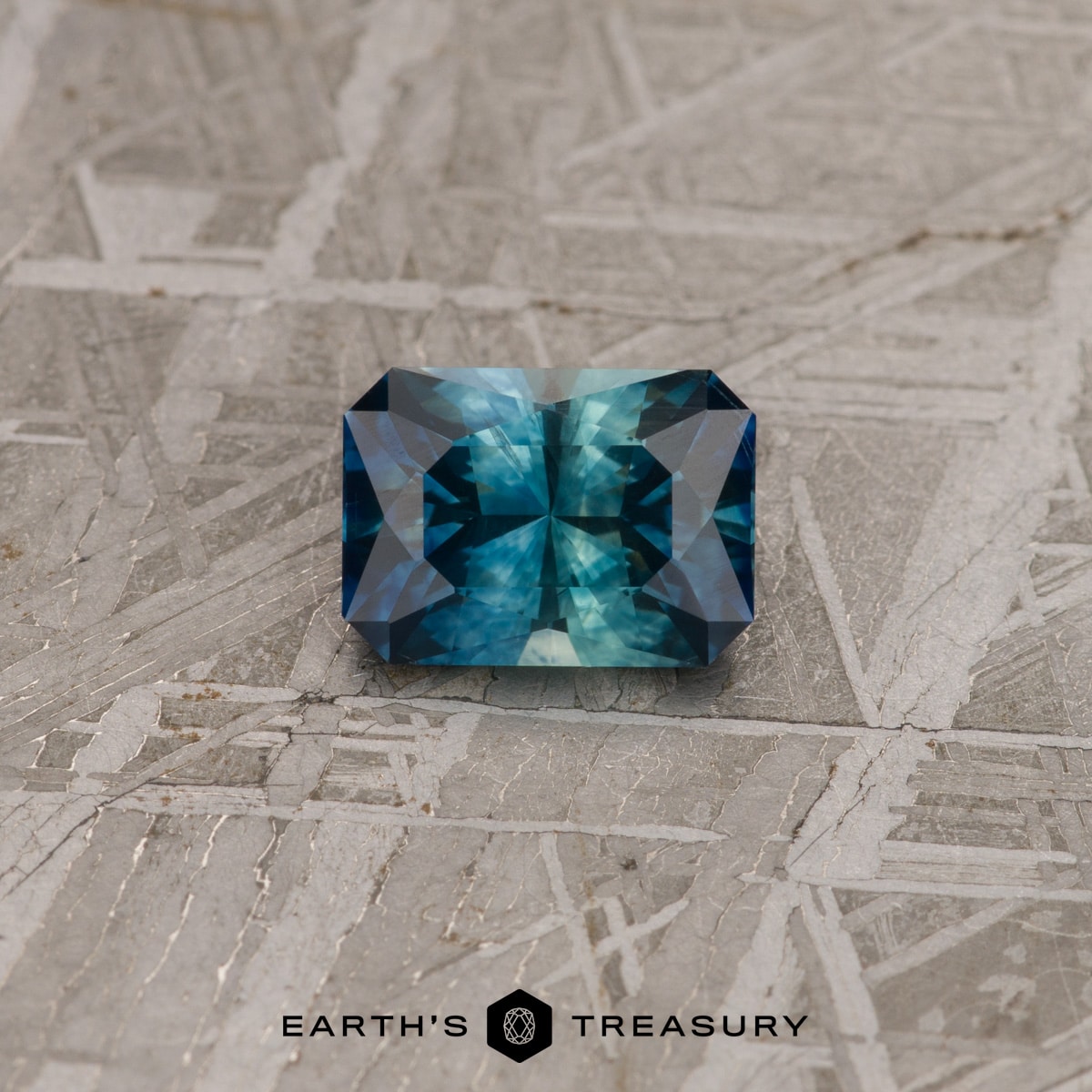

What Are Particolored Sapphires?
When most people think of sapphires, they picture shades of blue—but there’s so much more to discover. Sapphires come in a wide variety of colors, including greens, blues, oranges, yellows, and even pink, but particolored sapphires are among the rarest and most visually striking, featuring two or more colors in a single gem.
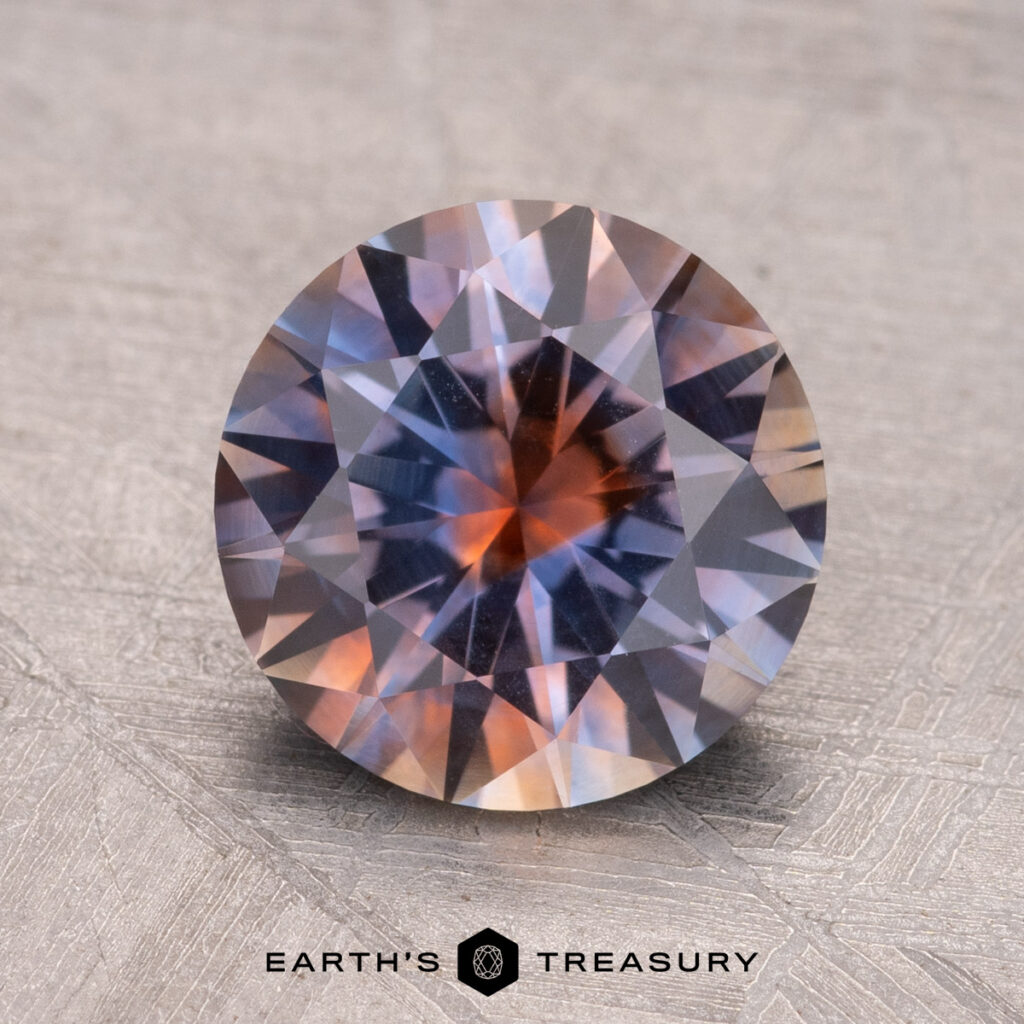
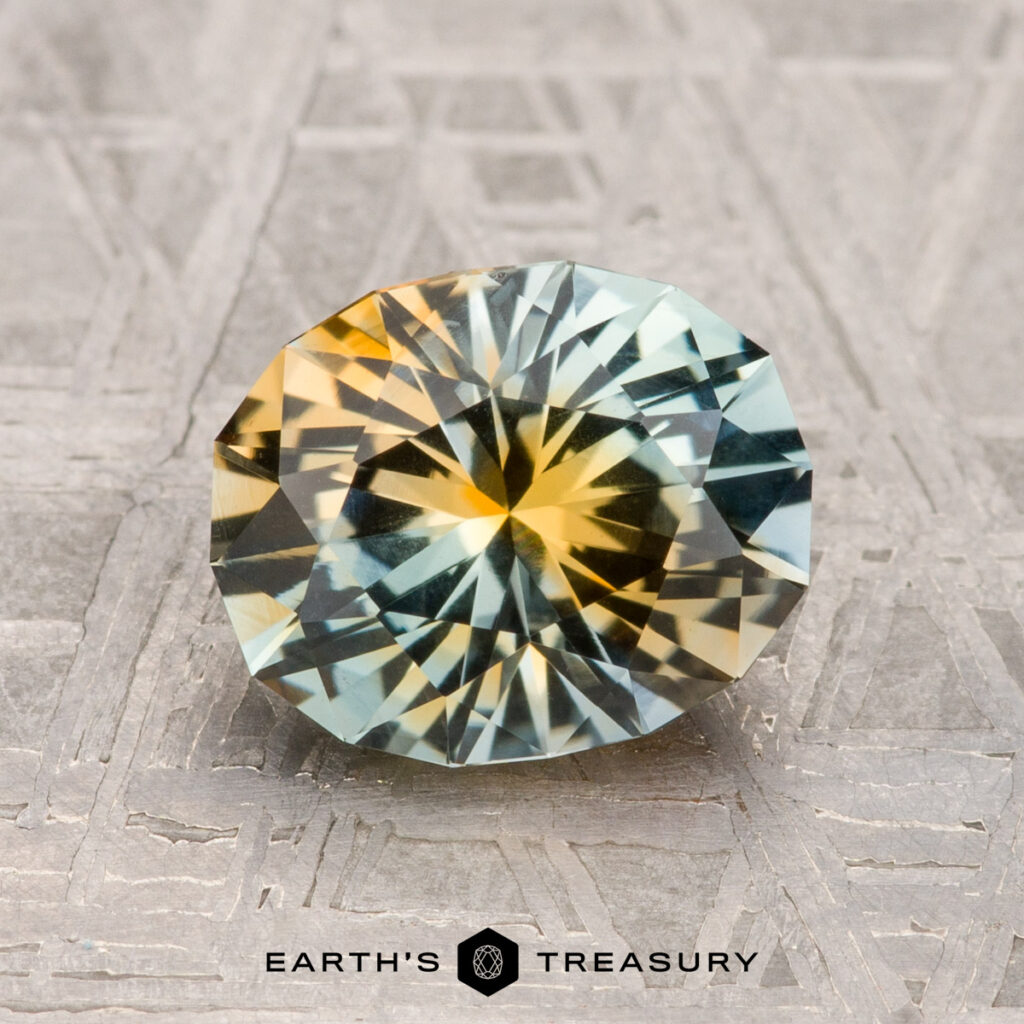
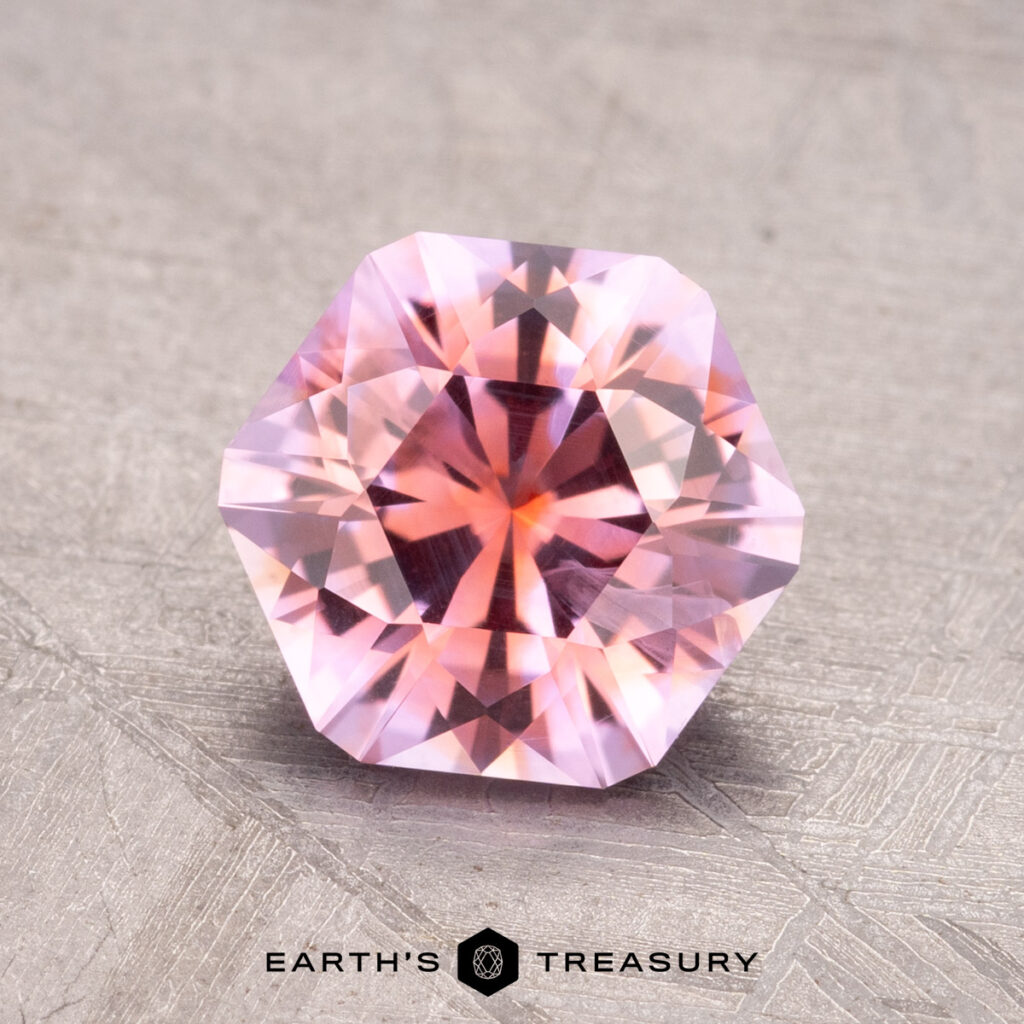
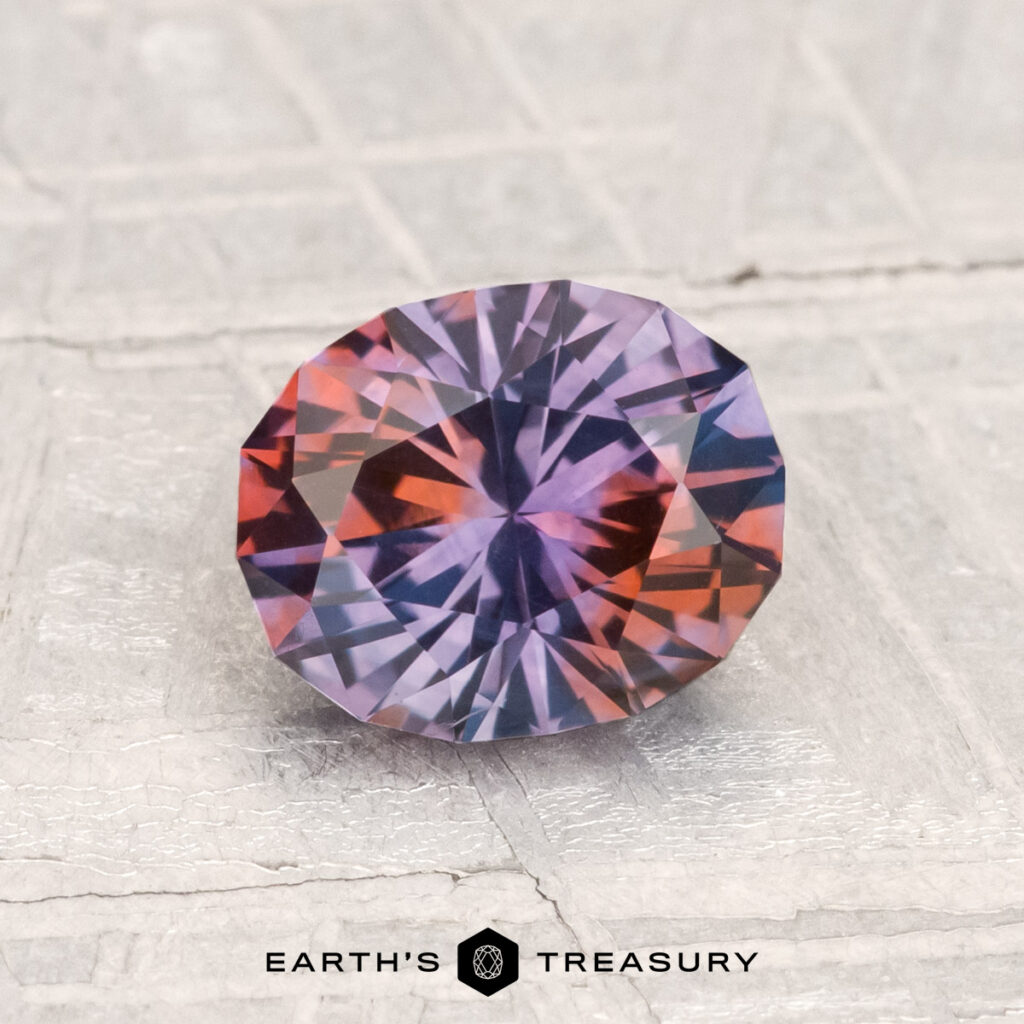
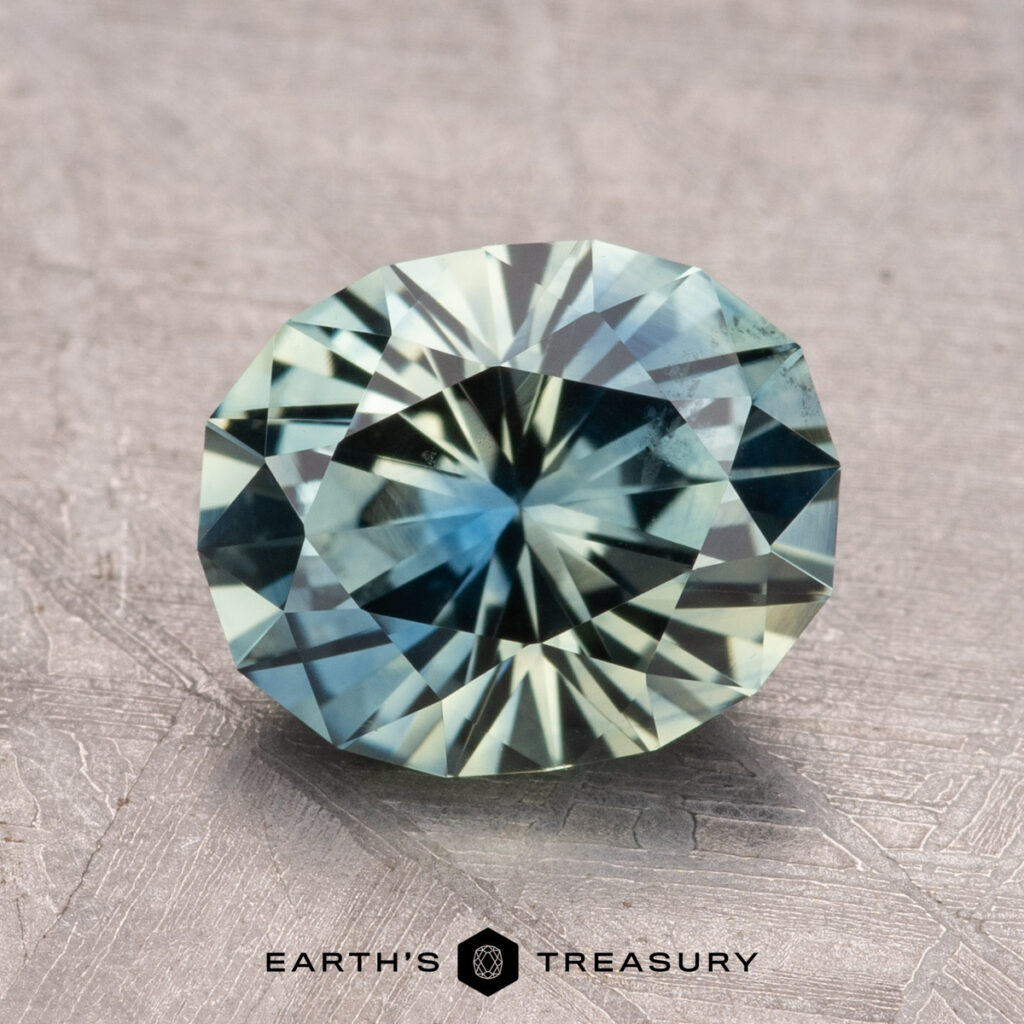
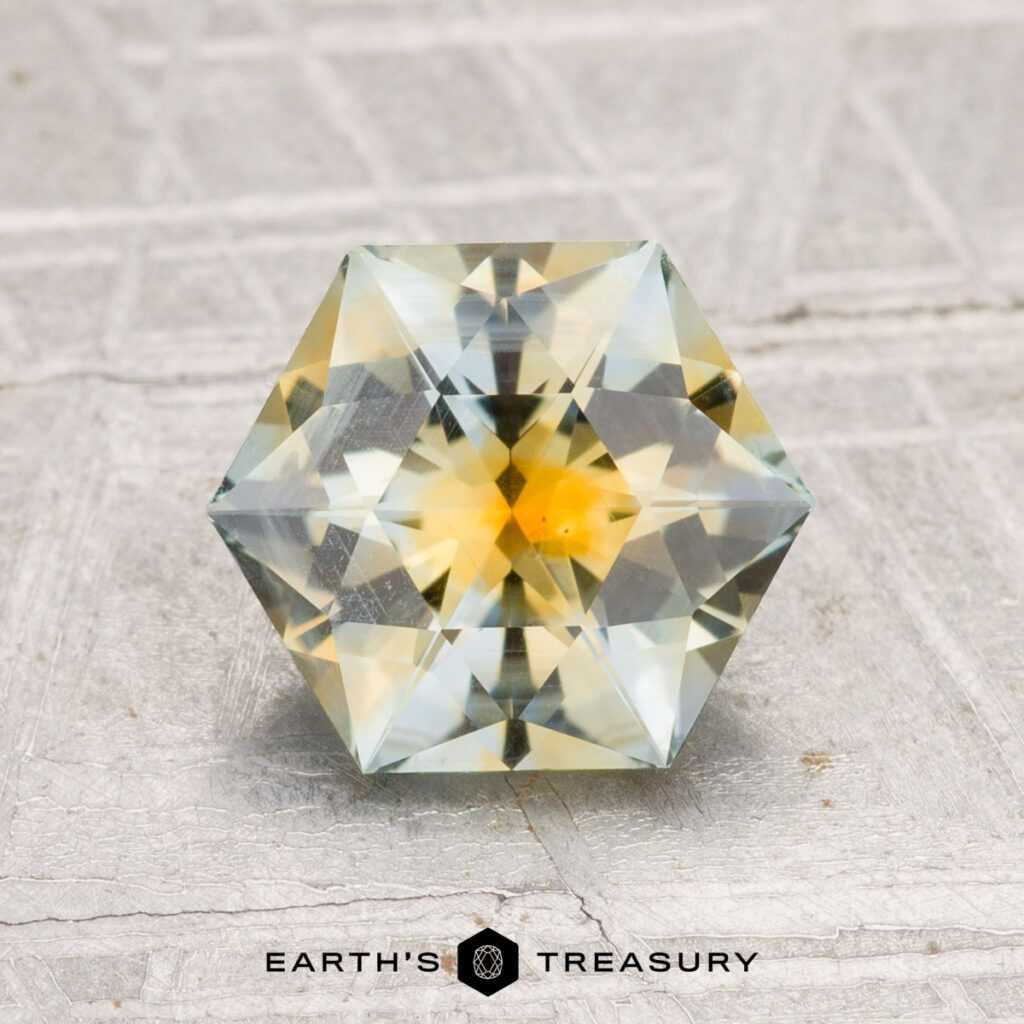
The Science Behind the Color
Particolored sapphires get their unique appearance from the way trace minerals, like chromium, iron, or titanium, are naturally distributed during the sapphire’s formation. These elements can be incorporated into the growing crystal at different stages, creating visible color zoning.
The way a particolored sapphire is cut plays a major role in how its color appears. Gem cutters must carefully plan the orientation of the gem’s table—or the top of the gem—to highlight the most attractive color pattern. In addition, the type of cut and shape of the final gem can also have a large impact on how the colors blend—or don’t blend—to produce the final result. If not cut thoughtfully, the zoning can appear uneven or even muddy. Each sapphire is completely one of a kind and extremely rare, especially at larger carat weights.
Bi-Color Sapphires
All bi-color sapphires are particolored, but not all particolored sapphires are bi-color. Bi-color sapphires are unique in that the color appears in two distinct zones.
If you’re looking for a gemstone that feels personal, unexpected, and full of character, a particolored or bicolored sapphire is a perfect choice.