




Where Are Sapphires Found?
Sapphires are found in several regions across the globe, from the United States to Africa and Asia, and each region lends its sapphires unique characteristics.
Sapphires are generally understood to form deep underground, either near the mantle-crust boundary (“magmatic” or “basaltic” sapphires) or deep within the crust as part of the movement of the tectonic plates of the earth, as these plates collide and combine, causing recrystallization of the host rocks, including the formation of sapphire (the so-called “metamorphic” sapphires). Some deposits, such as those from Montana and Tanzania, appear to share characteristics similar to both of these more typical sapphire types. In all cases, the unique geology behind their formation leads to the wide variety of sapphires found around the world— including the dazzling array of colors, one shared by few other types of gemstones.
Below are some of the most prominent regions where sapphires are found today along with some insight into how they form and their unique characteristics.
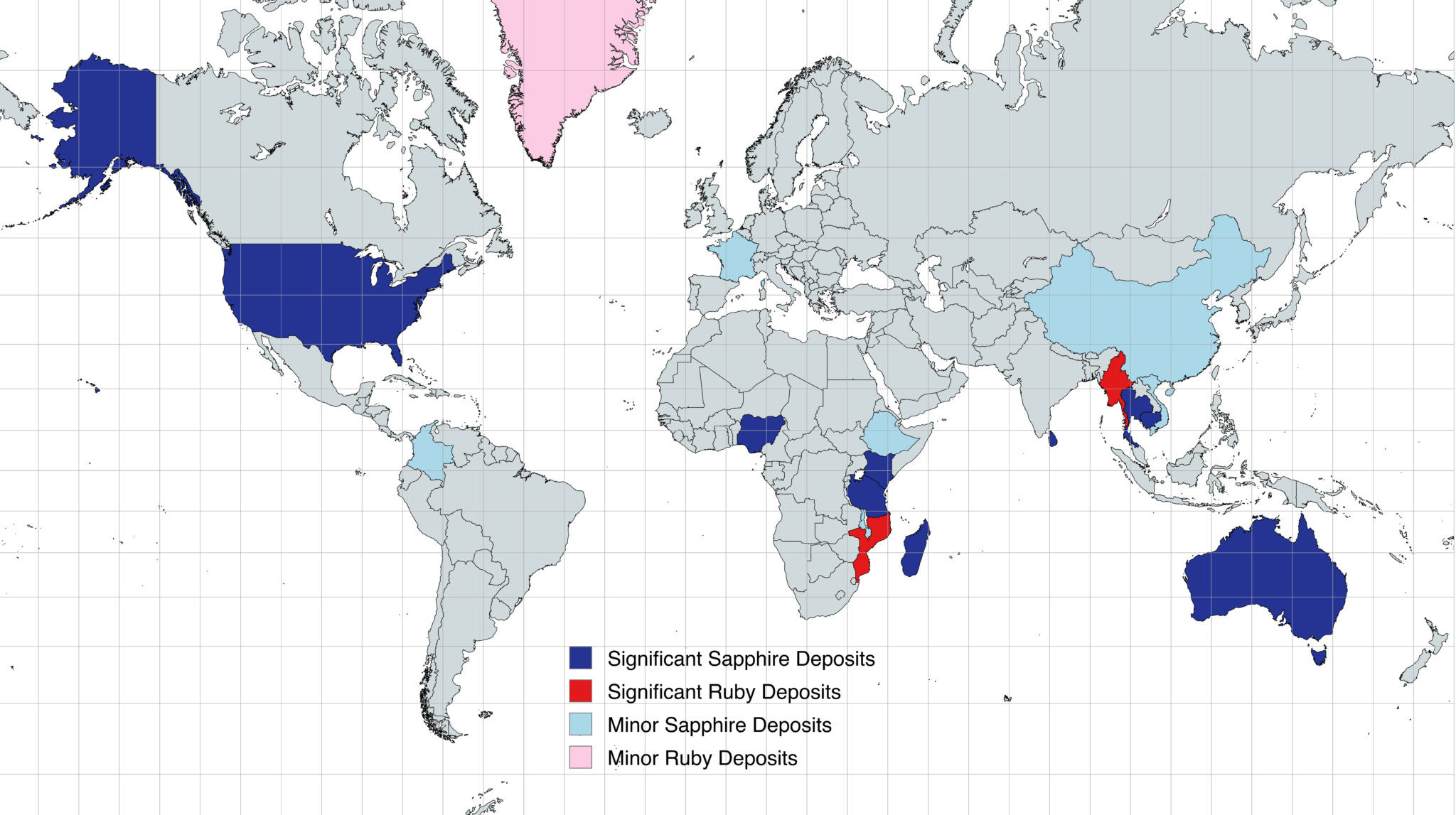
Montana, USA
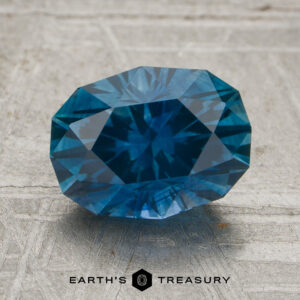
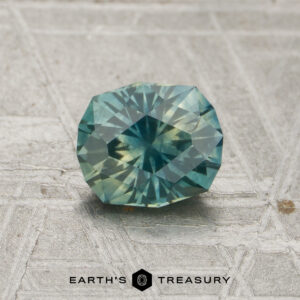
Montana is the only state in the United States with any significant production of gem-quality sapphires. The Rock Creek deposit, located west of Philipsburg in the aptly-named Sapphire Mountains, is the largest deposit of sapphires in the country. Other notable deposits in Montana include those along the Missouri River outside of Helena and the renowned Yogo sapphires from Yogo Gulch.
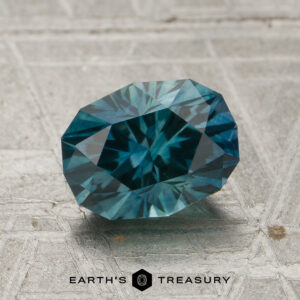
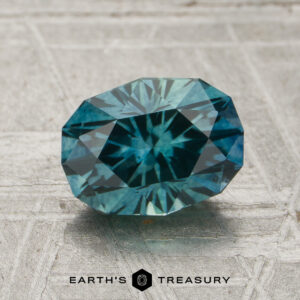
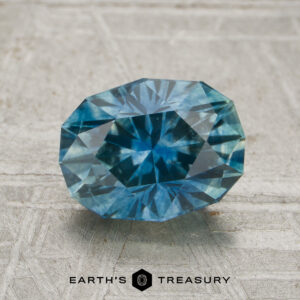
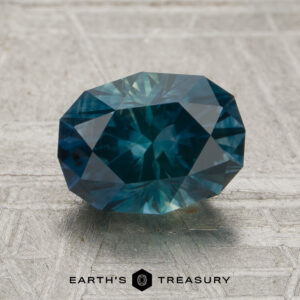
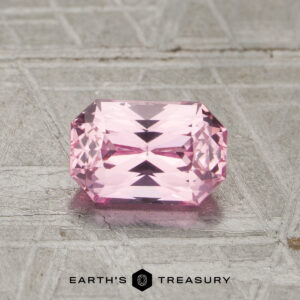
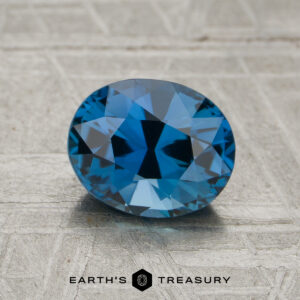
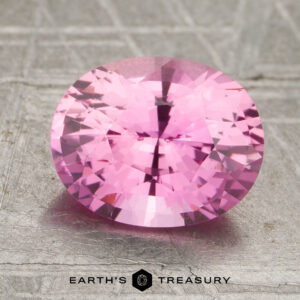
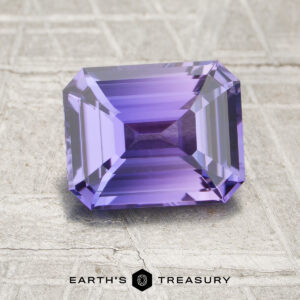
Montana sapphires are known for their teal blues, and those from the Rock Creek region are renowned for their “fancy” colors, from pinks, purples, and oranges to unique particolored sapphires mixing more than one color into one-of-a-kind combinations. Learn more about Montana sapphires here.
Australia
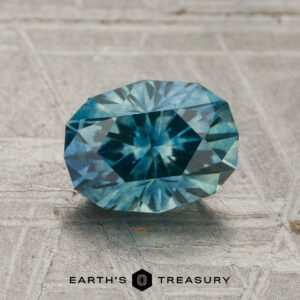
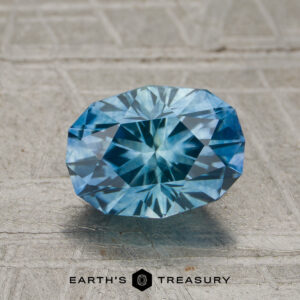
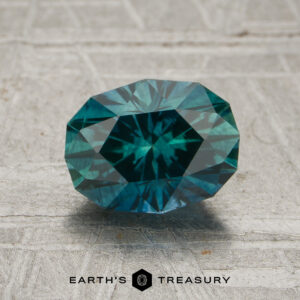
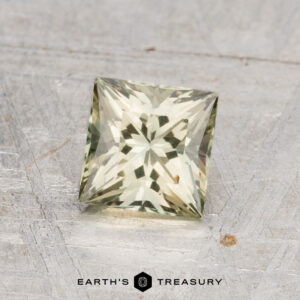
Australian sapphires were discovered by early gold miners in the mid-1800s; they are a basaltic-type sapphire. These gems were formed under high pressure and temperature and are believed to have been carried to the surface by flowing magma millions of years ago. Because of this, detecting natural heating via the magma transport vs. heat treatment after mining can be extremely difficult in these sapphires. We typically default to labeling our Australian sapphires as “heated” if we can’t be 100% sure. On the other hand, there is really no premium for unheated Australian sapphires— in part because of this difficulty.
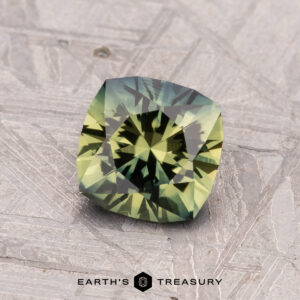
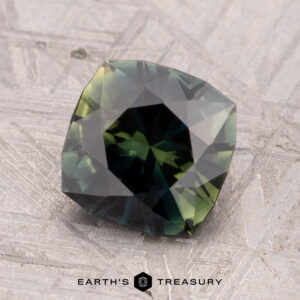
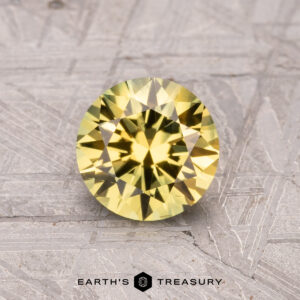
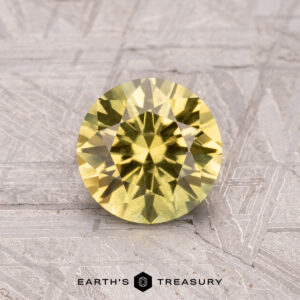
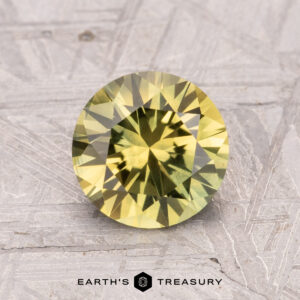
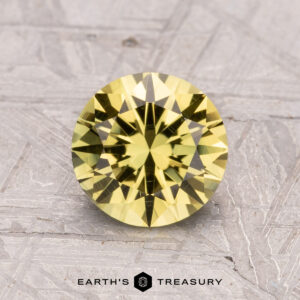
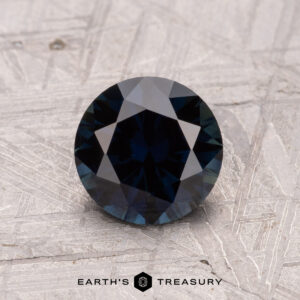
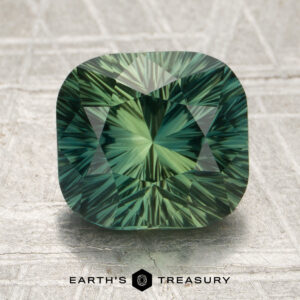
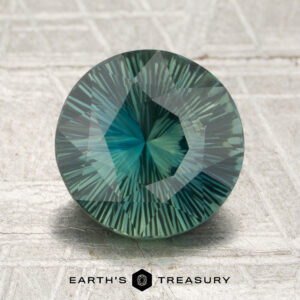
Australian sapphires are favored for their deep blue, green, and yellow hues, and many are particolored, showcasing more than one color. Some of the best green sapphires found anywhere in the world come from the Anakie and Rubyvale regions of Australia.
Sri Lanka
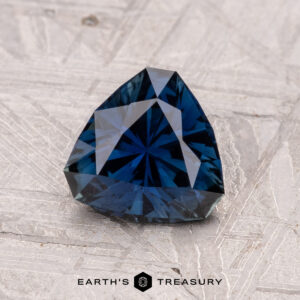
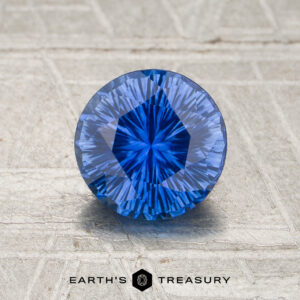
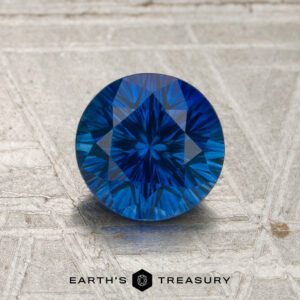
Sri Lanka, historically known as Ceylon, has been perhaps the most well-known source of sapphires for over 2,000 years. Sapphires from this region are renowned for their bright blue colors and exceptional clarity. They were traded as early as the second century and were highly prized in aristocratic jewelry collections throughout history. Today, they are still considered some of the finest sapphires.
Sri Lanka has become a global center for cutting sapphires and has created a regulatory system that encourages small-scale artisanal mining to minimize the environmental impact of large-scale commercial mining. They also ban the export of rough, so for our Sri Lankan sapphires, we purchase well-cut stones from a few select producers, and in most cases, then recut them to our higher standards of accuracy.
Africa
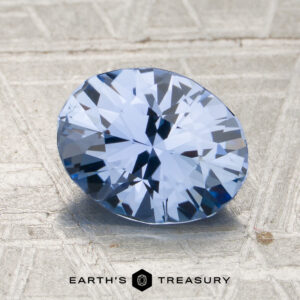
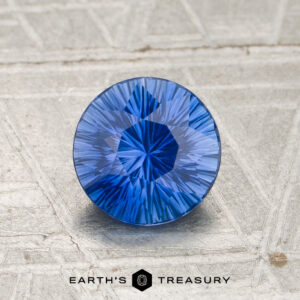
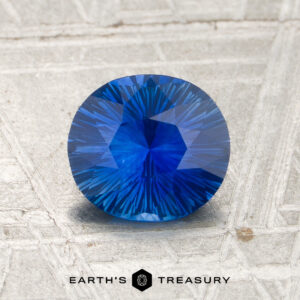
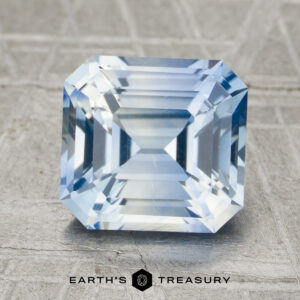
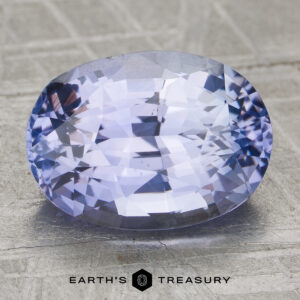
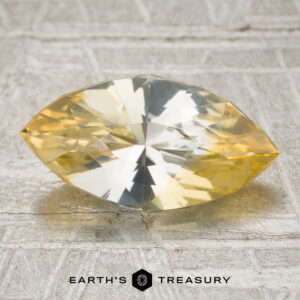
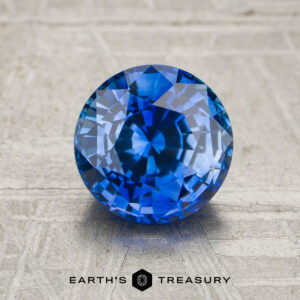
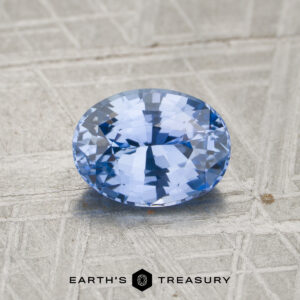
Africa is home to several sources of sapphires, including Madagascar and Tanzania, which have emerged as significant regions in recent decades. Sapphires from this area have a wide range of colors from traditional blues to pinks, yellows, and greens.
In the last few decades, more sapphire deposits have been discovered in alluvial deposits in southern Madagascar. Sapphires here tend to exhibit bright blues, similar to Ceylon sapphire properties. Some of these Madagascar sapphires have rivaled the finest blues found from the famed Kashmir deposit.
Sapphires are also mined within Tanzania along the Mozambique Belt, a Pan-African orogenic belt that created ideal conditions for gem formation. Sapphires found along the Umba River Valley are known for their “fancy” colors, resulting from unique combinations of trace elements during crystal formation.
Ethical Sourcing
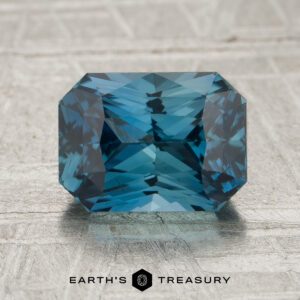
Regardless of where each sapphire was found, when you purchase a gemstone from us, you can be confident it was ethically sourced and mined in a sustainable fashion. We work diligently to make strong connections with individual mine owners and build relationships with reliable brokers for stones we are unable to source directly from the mine.
With this approach, you’ll know where your stone was mined, the conditions under which it was mined, and have peace of mind that the miners received fair value for their work. For a deeper dive into what ethical sourcing means to us, read our blog here.