




Ethical Sourcing: What Does it Mean?
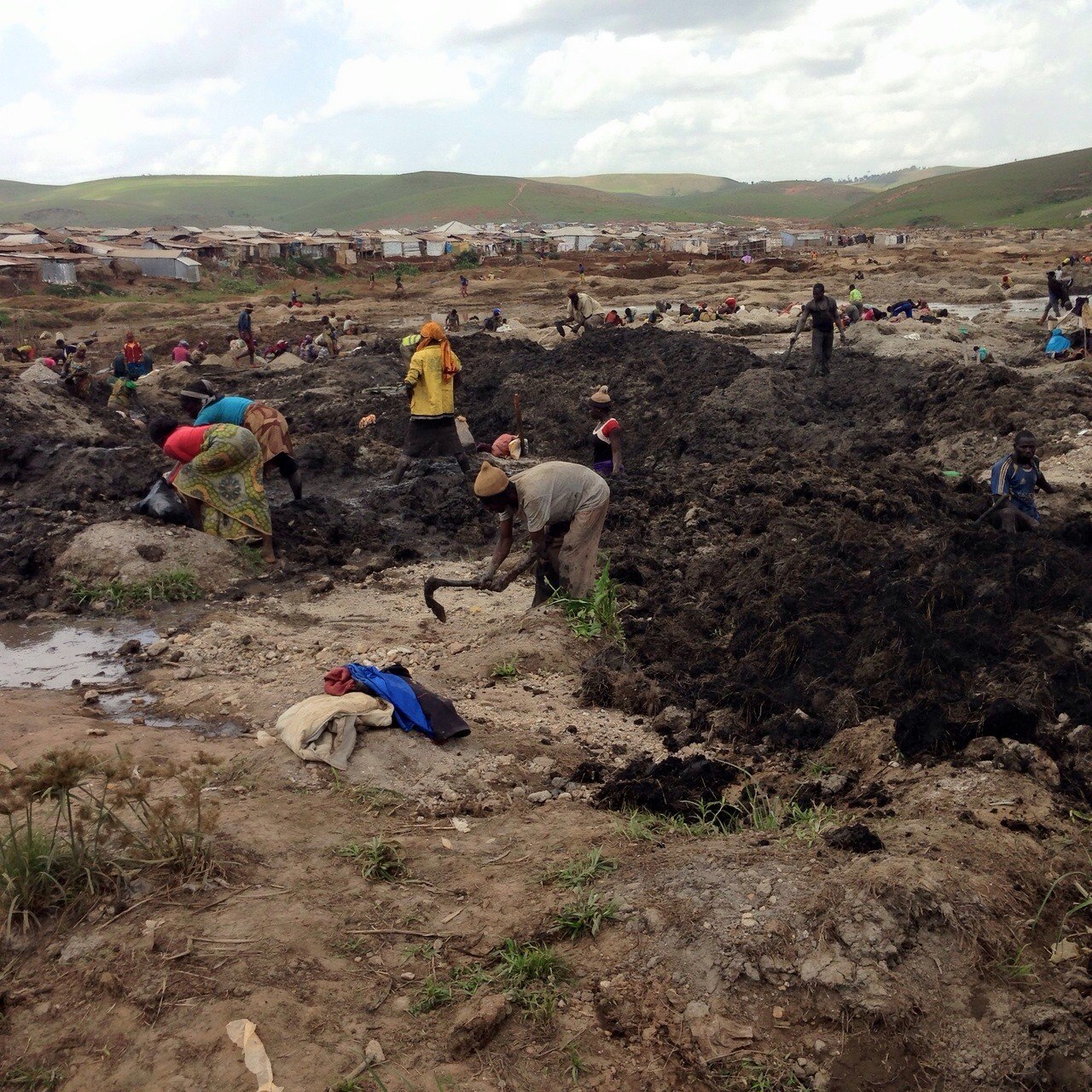
In the image below, we see people working under what appears to be difficult conditions, and indeed they are. In the foreground, men and women work with hand tools to turn over fresh soil, hunting for gem gravels containing precious blue sapphires. Behind them, others wash the gravel in open pits of muddy water, hoping to expose a rare prized gem, worth many thousands of dollars per carat once cut into finished gemstones. Further in the distance is a shanty town that has rapidly sprouted at this site. The immediate reaction of many people in the “developed” world is shock and concern, understandably so. Are these people happy and healthy? Are they doing this of their own free will? We’ve been sold a message by some that these people are being exploited, and that the ethical thing to do is to stop buying these stones. But is that true?
Like most things in life, their story is far more complicated. Most of the messaging around this topic has been around diamonds. The well-known movie “Blood Diamond” was instrumental in spreading the message about unethically sourced diamonds to the public. Reality is a bit different than as portrayed by Hollywood.
Yes, there has been and continues to be trade in precious commodities to fuel the wars that still plague the African continent, and that includes diamonds and even some colored stones. But that is the exception to the norm. In most cases, precious gems are hand-mined by small-scale artisanal miners who do this by choice, and the work they do and the monies they receive do not support conflict— it supports families. Mining offers these people an opportunity to make money to supplement their income and the potential to escape the poverty many of them were born into. Blindly deciding not to purchase gems from some portions of the world denies these people one of the few opportunities they have to achieve some level of financial success beyond bare subsistence.
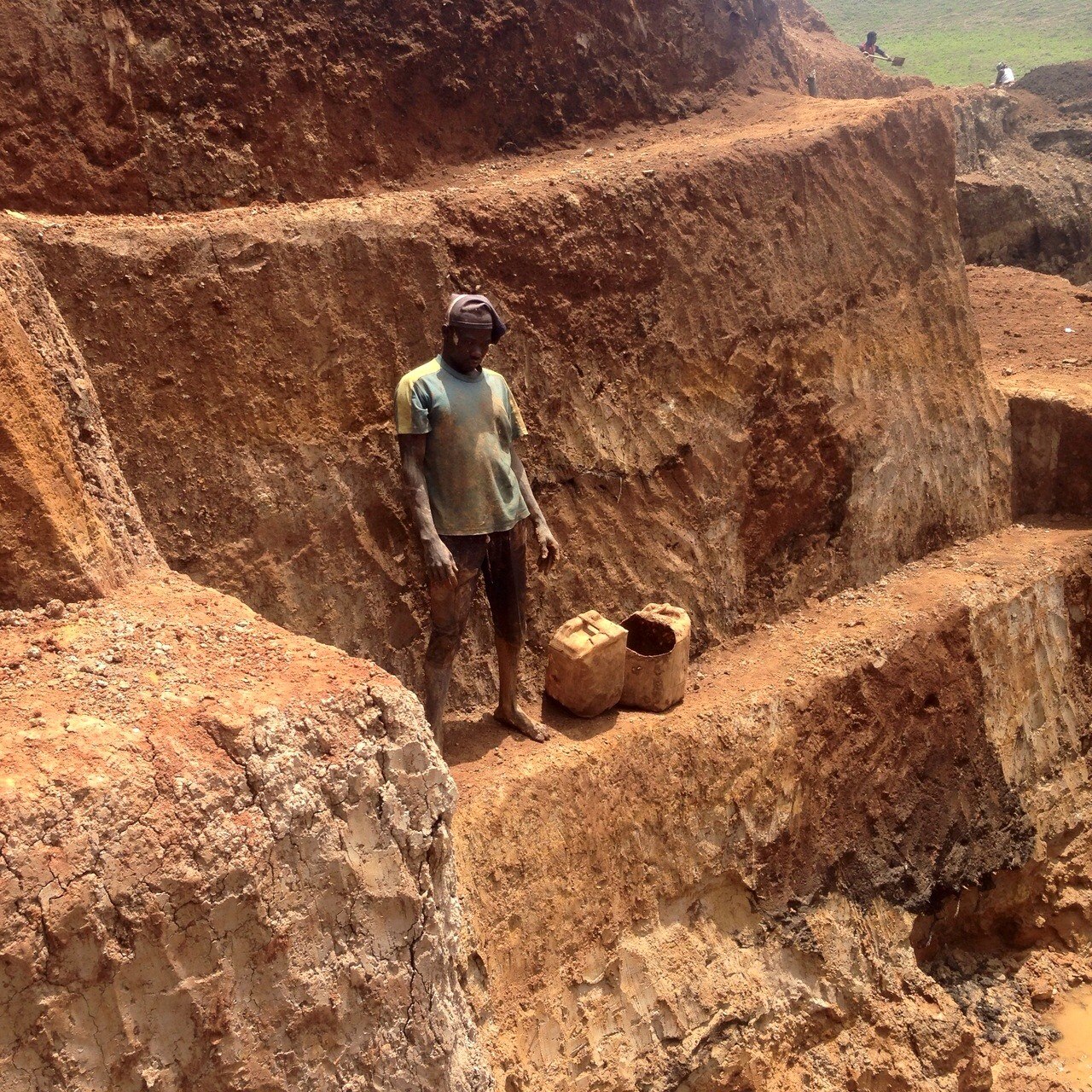
The gentleman who took this photo is a gem rough dealer born and raised in Nigeria. He knows many of the miners in his country. He can tell you first-hand that most— if not all— of those who mine these gems do so because they want to. They love what they do, even if it is dirty and hard work.
Often, the miners work deposits like this during the “off season” from farming, when they would otherwise be unemployed. With access to the Internet, these miners understand the market for their gems and have a broader reach for their product. The prices they realize are substantial, and a good find can literally transform someone’s life.
That lure is a strong one. In the U.S., that same lure led to the massive Gold Rush in California during the mid-1800s, and later rushes for gold in Alaska and the Klondike of Canada right up until the early 1900s. Similar rushes for resources occurred throughout the 1900s for oil and even recently for gas. It’s human nature to seek opportunities to achieve more wealth and hopefully security for both ourselves and our families. An even more powerful draw for many who mine is the sheer joy of discovering a piece of natural beauty. If you’ve never held in your hand a gem or gold that you dug from the earth, you can’t understand the euphoric rush it provides— but those who mine these gems do!
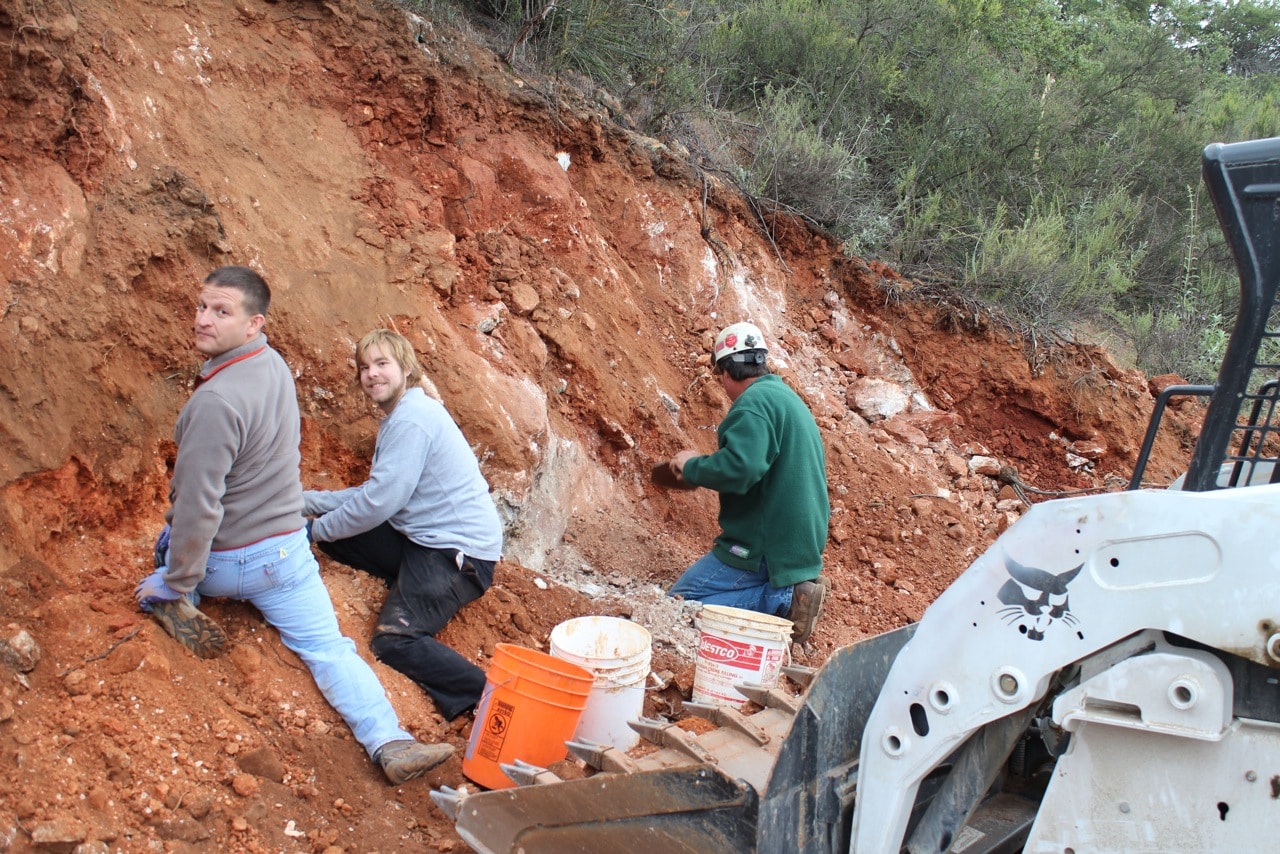
Mining for gems is hard, dirty work no matter where it’s done— even here in the U.S.. The men and women who do this work here love it, just like most miners around the world. Jeff is pictured shoveling dirt from a gem pocket above alongside a fellow gem cutter, Jordan Wilkins, and mine owner Jeff Swanger. While there is a Bobcat in the scene, note that they are working by hand. Gems are fragile and valuable— when you are working to extract them, it’s safest and best done by hand.
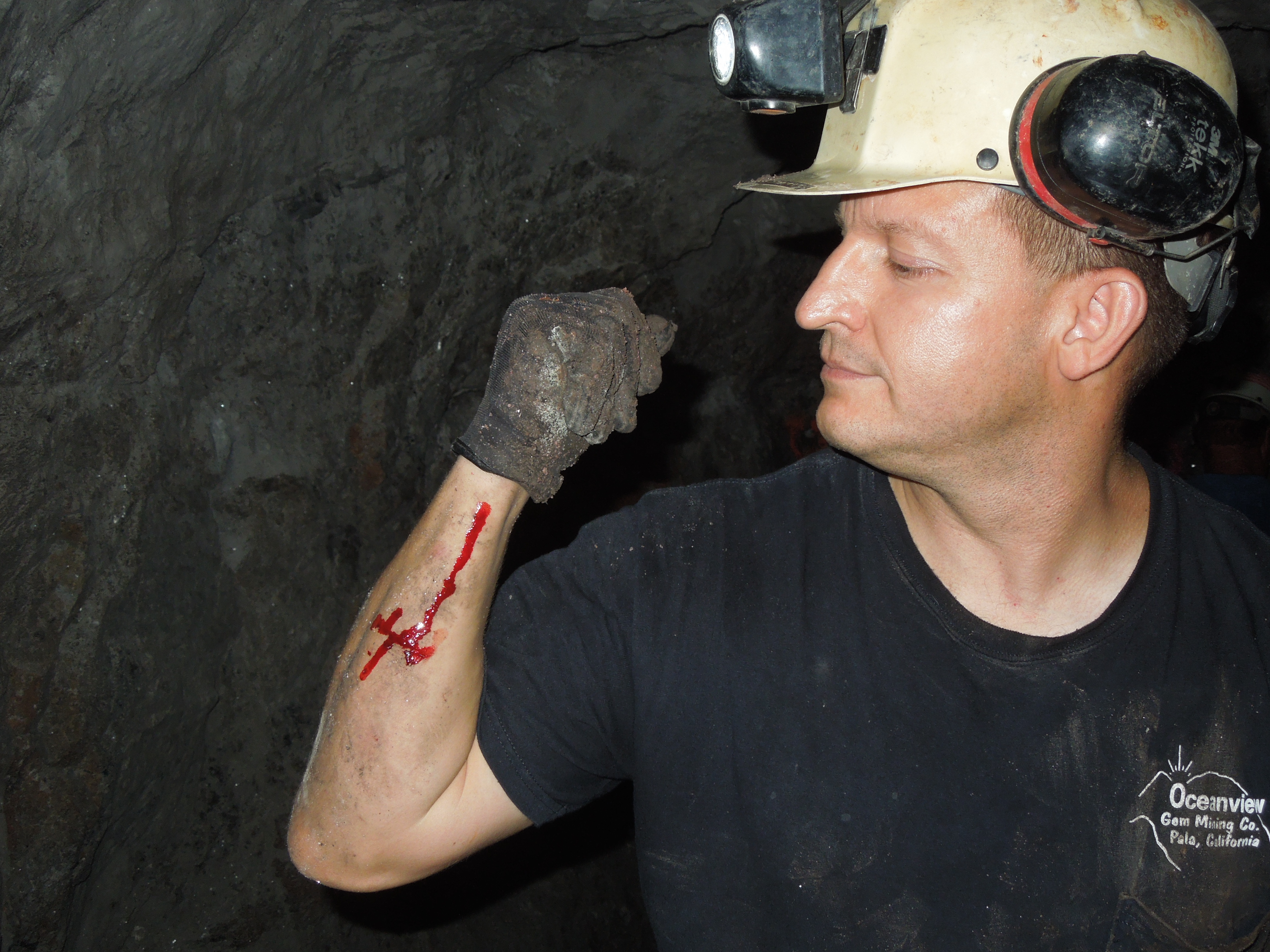
While we have the luxury of access to better safety training and equipment in the U.S., it’s still a dangerous job. Jeff even has scars to prove that. He says, “While I don’t mine on a daily basis to support my family there are many small-scale miners in the U.S. who do, just like there are wherever gems can be found in this world.”
So what is ethical sourcing? The answer to that is complicated, like most things in life. What are your ethical concerns when acquiring a gem? Are you worried about funding conflict? Are you concerned about environmental degradation? Are you looking to make sure that your purchase financially supports those of lesser means? All of these can be part of a person’s ethical criteria used when selecting a gem. To be able to effectively answer this question requires that you know the full chain of custody of the gemstone.
Chain of custody is the trail from you, the purchaser of the gem, all the way back to who mined the gem. Knowing who has handled the gem is crucial for answering questions about the environmental conditions under which it was mined, the financial conditions of the transactions and provides valuable information on whether the gem may have been subject to any undisclosed treatments. Whenever possible, we make an effort to source all of our gem rough as close to the mine as possible. When we are unable to do so, we ensure we work with a broker that has an impeccable reputation and ethical standards that match our own, including sourcing gems directly from the miners.
We strive to provide gemstones that we are 100% confident have been sourced as close to the original miner as possible, and ensure the miner receives a fair market price for their goods. In most cases Jeff has personal relationships with the miners, particularly here in the U.S. He says, “I want to see them succeed and I have provided financial support for many miners either by buying rough material when they are in need of funds— whether I need the rough at the time or not— or by making direct investments when possible. For example, I have directly invested money in small-scale sustainable tsavorite mining in Kenya, with no requirement or guarantee of return.”
Beyond the process of mining the gems, there is the process of turning them into finished gemstones. Regrettably, many gems are still cut under “sweatshop” conditions in overseas cutting houses, mainly in Asia. When choosing a gemstone, you must keep in mind not only the conditions under which the gem rough was mined, but also the working conditions under which the finished gemstone was created. Jeff personally cuts some of our gems, but most of the others are cut here in the U.S. by other artisanal gem cutters we partner with. We do also have a small amount of gems cut overseas by people we have carefully vetted. The workers there are paid well and receive excellent training. Most of them are true artists who have worked in this trade sometimes for several generations. We’ve selected overseas vendors for the quality of their work and the way that they conduct their business and pay their employees.
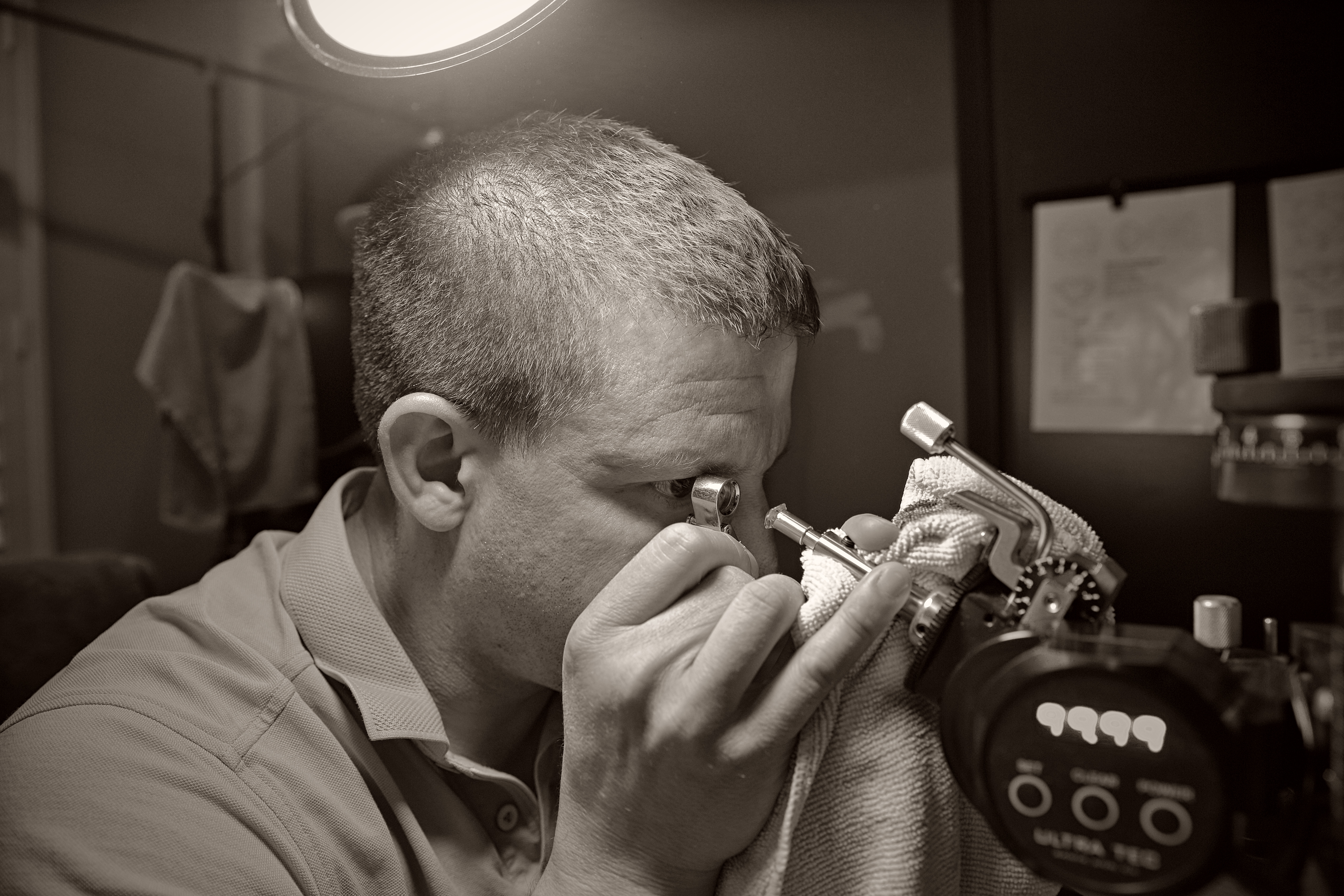
When you purchase a gemstone from us, you will know where it was mined and the conditions under which it was mined. You can be confident that those who have worked hard to mine the rough gems from the earth have received a fair value for their efforts and that the gems were mined in a sustainable fashion, taking into consideration the environmental impact of the mining process.
The extra care required to protect the environment when mining and ensure miners are fairly compensated comes at a financial cost—but it’s something we choose to prioritize. If you agree, let’s talk about gems.