
The Ruby Guide
Rubies are one of the most recognizable and valuable gemstones in the world, renowned for their rich red color. Naturally, they have been a popular gemstone since their discovery, featured in some of the most prized fine jewelry.
Throughout history, these highly sought-after gemstones have symbolized passion, power, protection, and love. Two of the most iconic ruby jewelry pieces were owned by Queen Elizabeth II. The first being the queen’s tiara, commissioned in 1973, which featured 96 rubies, along with a Burmese ruby brooch complete with a halo of diamonds.
Elizabeth Taylor often wore rubies, as well. Once gifted a pigeon blood ruby necklace by her husband, which was later sold at auction for $3.7 million, this piece was a legendary part of her jewelry collection.
In 2023, the iconic 55.22-Carat Estrela de Fura Mozambique Ruby, sold for $34.8 million—a world record price for any colored gemstone.
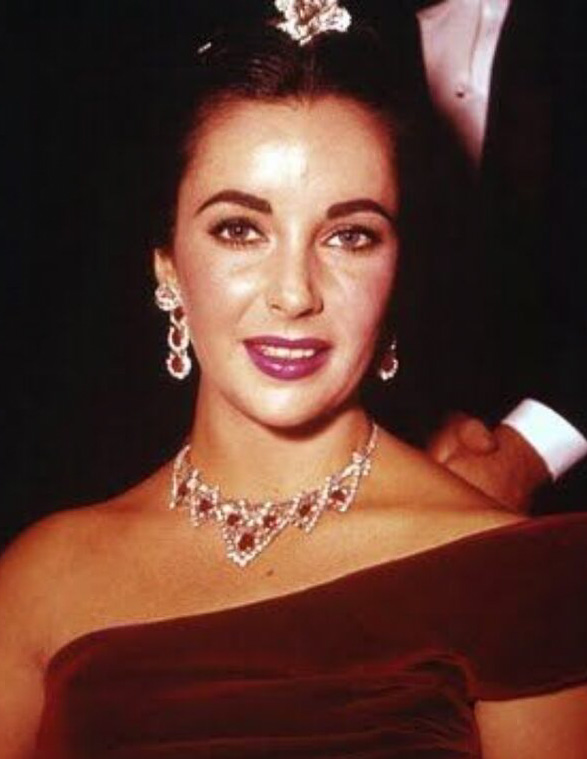
Elizabeth Taylor’s Pigeon Blood Ruby Necklace
Source: The Natural Ruby Company
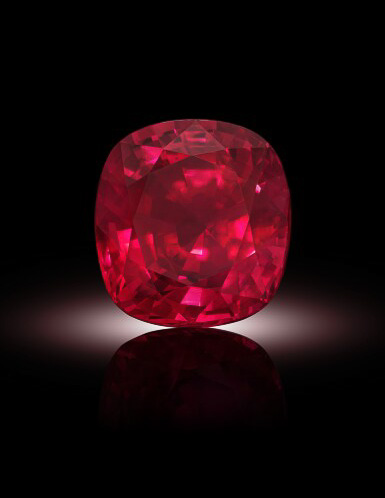
55.22-Carat Estrela de Fura Mozambique Ruby
Source: Sotheby’s
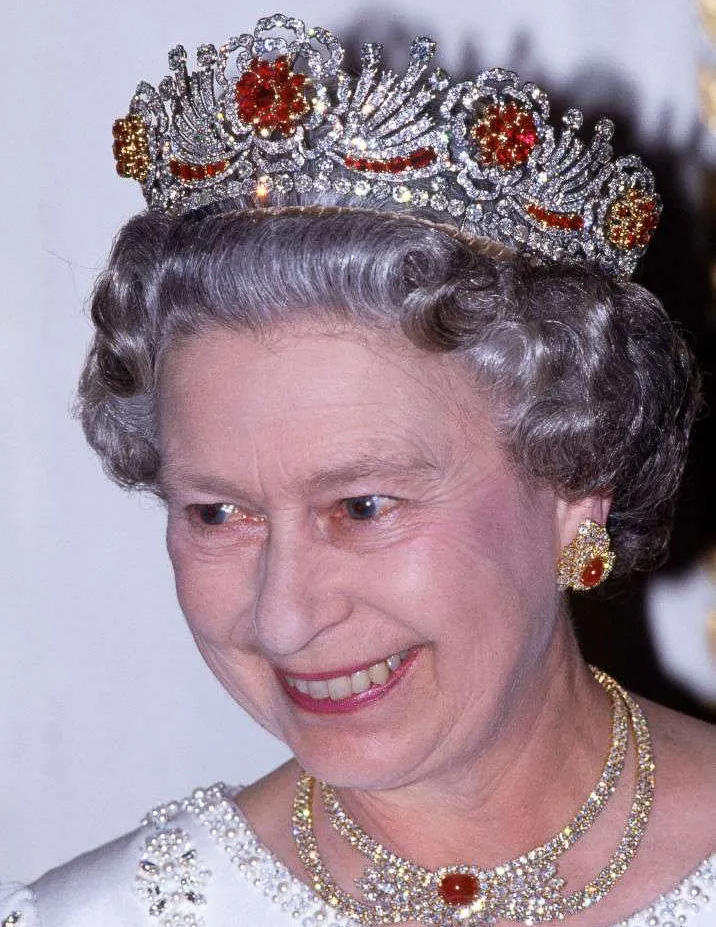
Queen Elizabeth II’s Ruby Tiara
Source: Something About Rocks
What are rubies?
Rubies are members of the gem species corundum, just like sapphires. The only distinction between the two is color: red corundum (only when colored by chromium!) is classified as a ruby, while every other color is considered a sapphire. A ruby’s red color is caused by trace amounts of chromium, with higher concentrations resulting in a richer red while lower concentrations will result in a pink sapphire. Chromium also causes many rubies to fluoresce under ultraviolet light (including sunlight), which can further enhance the vividness of their red appearance.
Rubies have a ranking of 9 on the Mohs scale, making them the second-hardest natural gemstones after diamonds. Coupled with their excellent toughness, their overall durability makes them an ideal choice for everyday jewelry, including engagement rings crafted to last a lifetime.
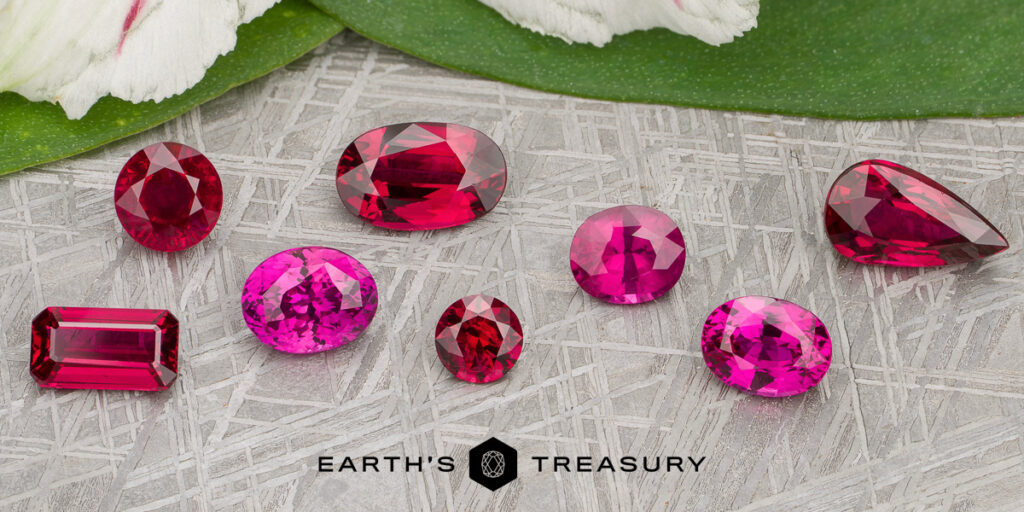
Where are rubies found?
Rubies were first discovered as early as 3,000 B.C. in the Mogok region of Myanmar, formerly Burma. The caves were so rich in mineral deposits that the earliest humans to enter them likely encountered the dazzling crystals of corundum.
Myanmar has historically been recognized for its exceptional-quality rubies, though its production has significantly waned in recent decades. Beginning in the 1930s, the introduction of synthetic gemstones to the market led to a period of decline in demand. In the 60’s, nationalization during a military coup further collapsed production. For centuries, Myanmar was considered the premier source of the world’s finest rubies, particularly the coveted “pigeon’s blood” material. These rubies are still referred to as “Burma” or “Burmese” rubies in recognition of their long heritage in the gem trade.
Today, Mozambique is the leading global producer of rubies after the market-changing discovery of ruby deposits in 2009. Other major sources include Madagascar, Tanzania, Afghanistan, Vietnam, Cambodia, and Thailand.
There is significant overlap in the appearance of rubies from different origins, although there can be differences in certain qualities. For example, Myanmar is renowned for its distinct “pigeon’s blood” color, while rubies from Thailand typically yield darker, deeper hues, and Mozambique rubies usually contain higher levels of iron, often leading to a rich, highly saturated red.
Rubies in Jewelry
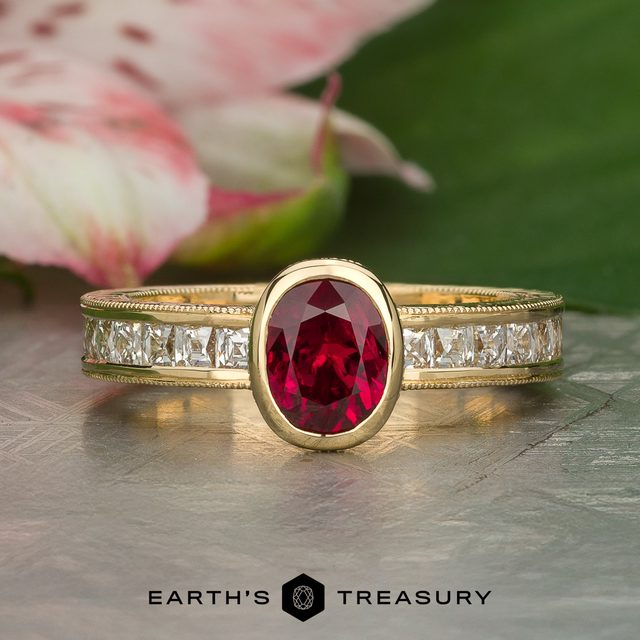
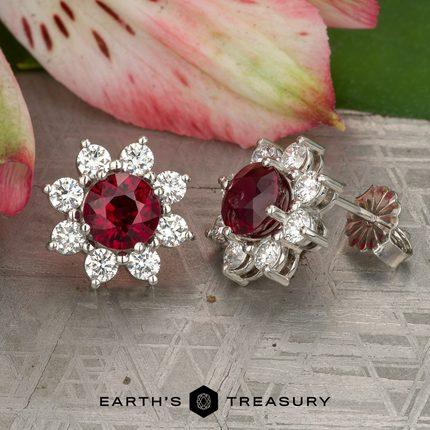
Rubies are one of the most popular centerpieces in fine jewelry. From engagement rings to pendants and earrings, they add a timeless beauty and are durable enough to withstand daily wear.
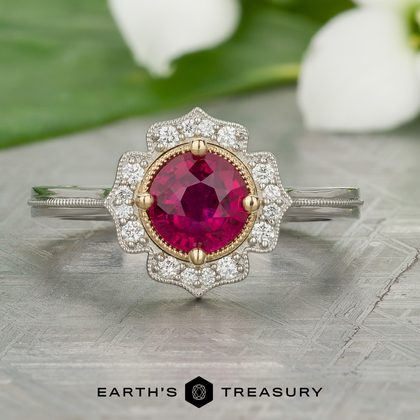
Below is a gallery of some of our favorite custom projects featuring rubies.
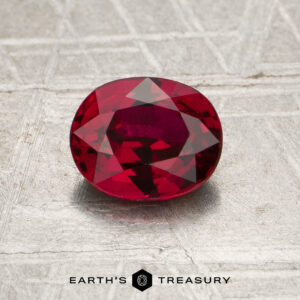
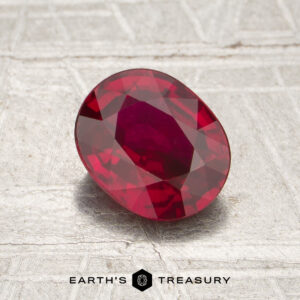
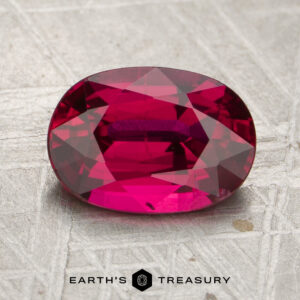
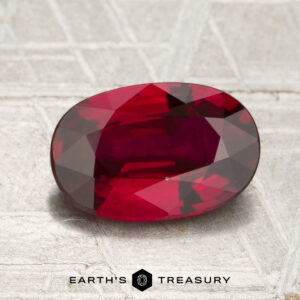
Shop New Rubies
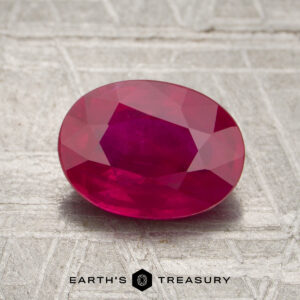
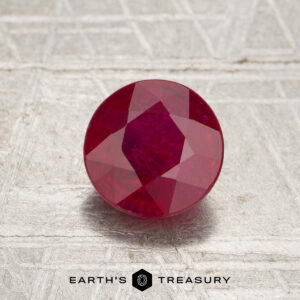
We are always adding to our collection of gemstones. Below are the newest rubies available on our website!