
Understanding Gemstone Colors: Hue, Tone & Saturation Explained
A gemstone’s color is defined using three main key characteristics: hue, tone and saturation. Each plays a role in how we perceive a gem’s overall color, and together they create infinite variations— one of the reasons no two gemstones are ever exactly alike.
Understanding how color is described can be the key to finding your ideal gem—allowing you to search more effectively and identify what exactly you are drawn to.
Slight differences in these characteristics can also significantly impact the value of a stone, as color quality and value are inextricably linked. Learn more about the definitions of hue, tone, and saturation below and it will help you understand how we describe our gemstones.
Hue
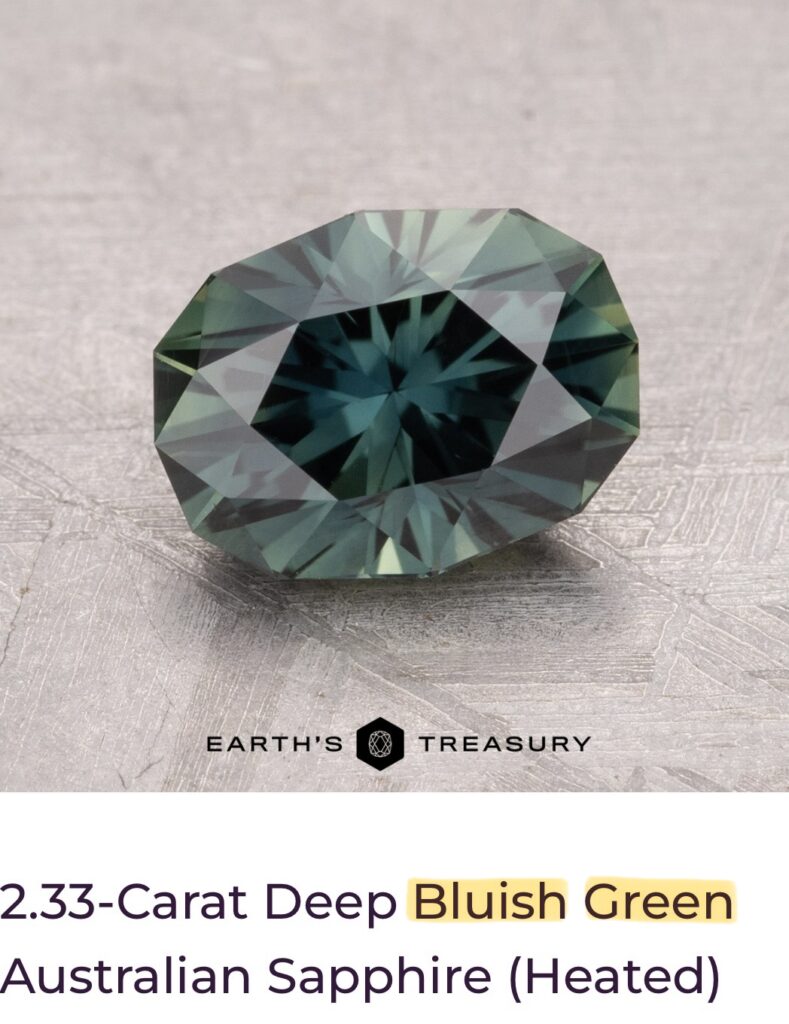
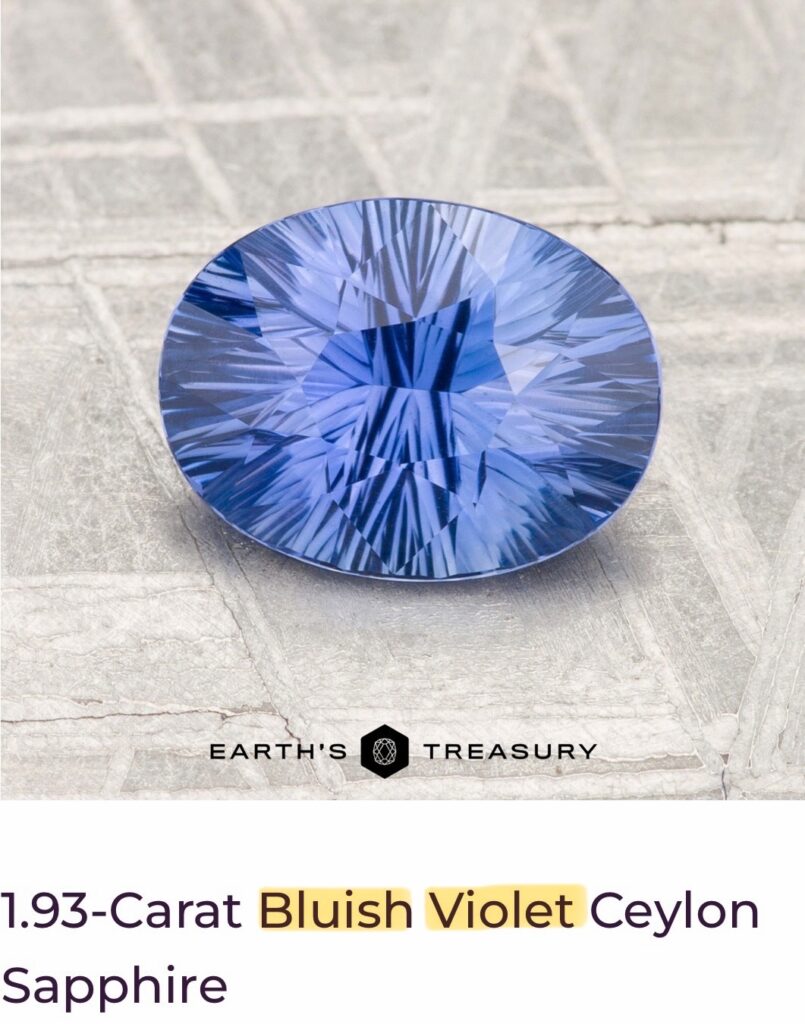
Hue is the first impression of an object’s basic color. You can think of hue as the main color you notice when looking at a gem.
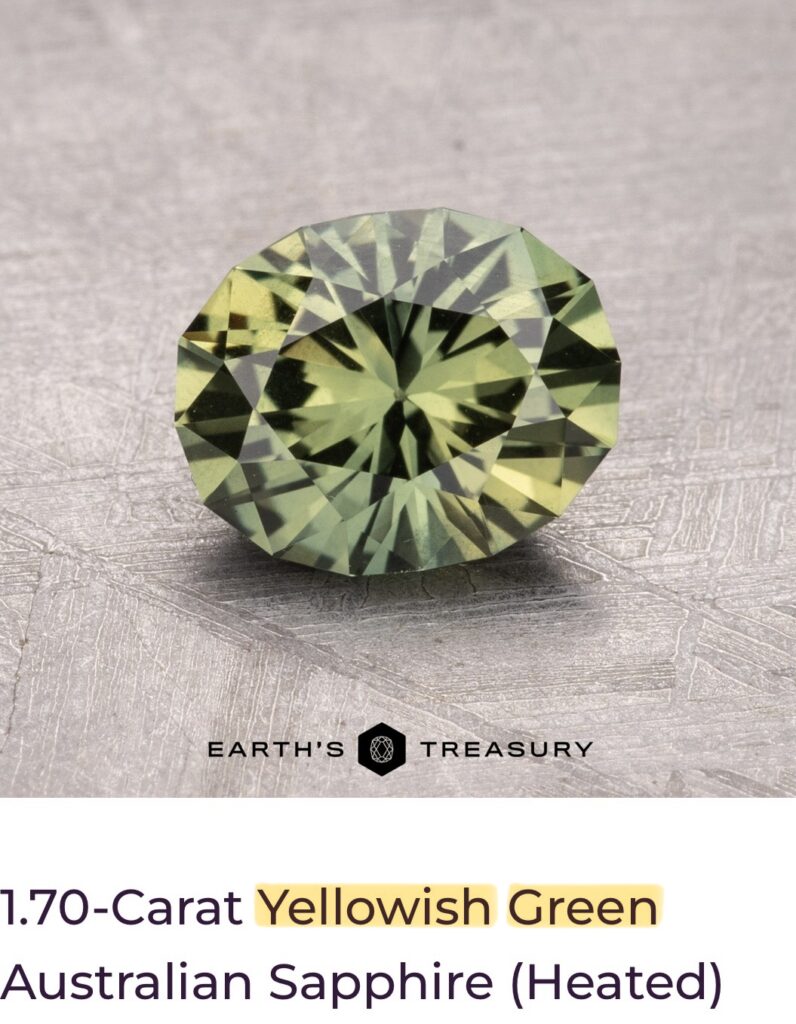
When you see a gem listed as “teal blue” or “greenish blue” it’s refering to the gem’s hue. When there is more than one color named, the most noticeable hue will be the second color listed. For example, a “yellowish green” sapphire would have green as the primary color with secondary hues of yellow throughout; a teal blue is blue with hints of green.
Tone
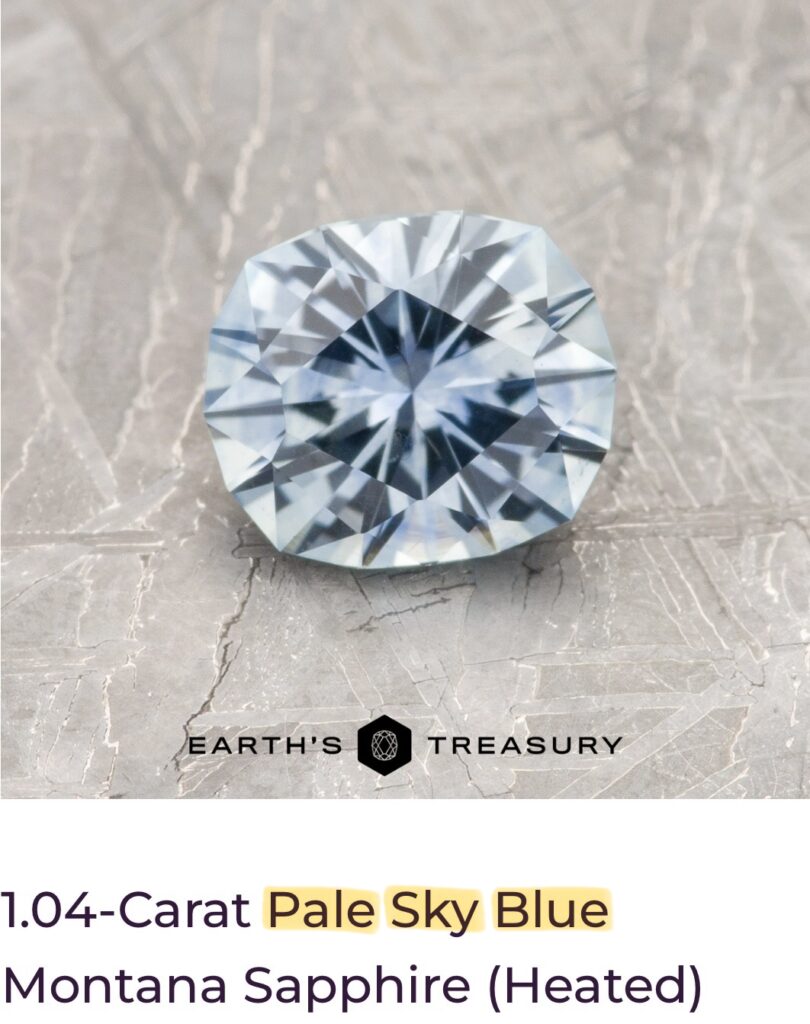
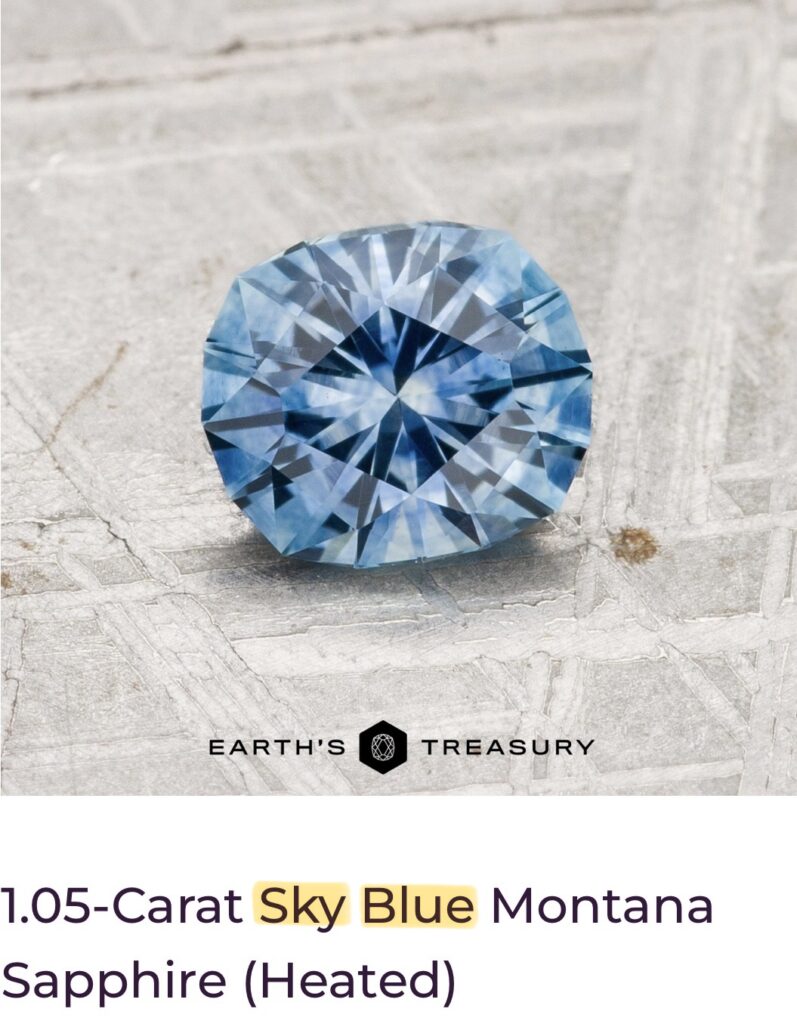
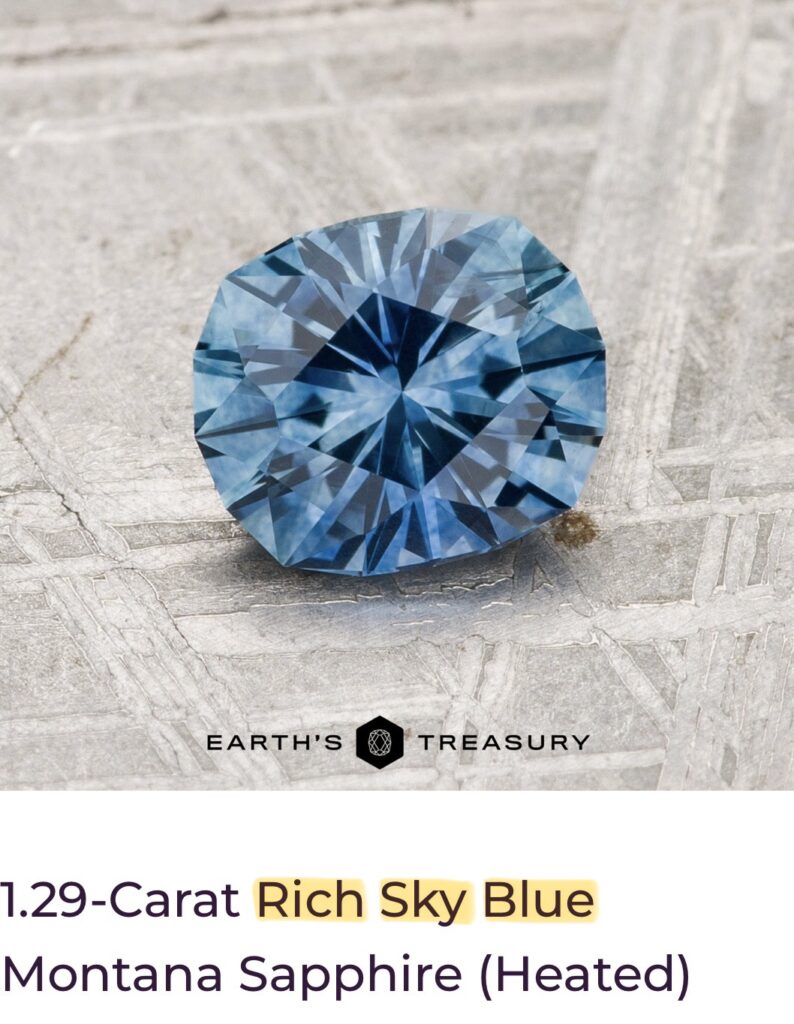
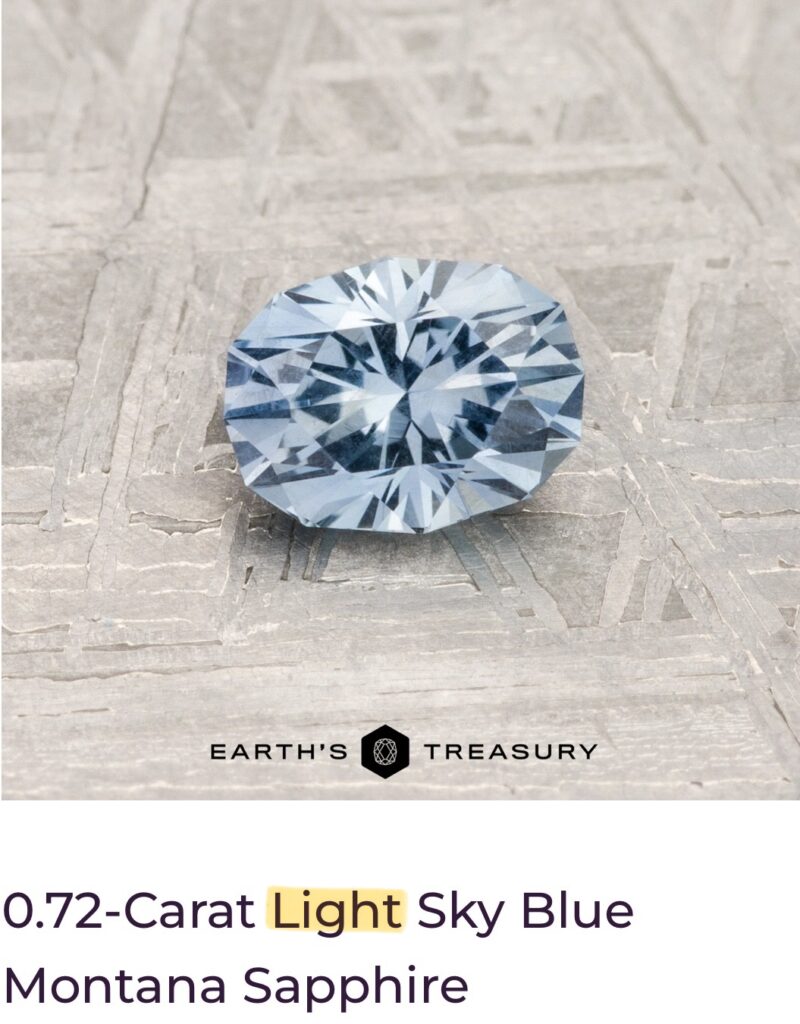
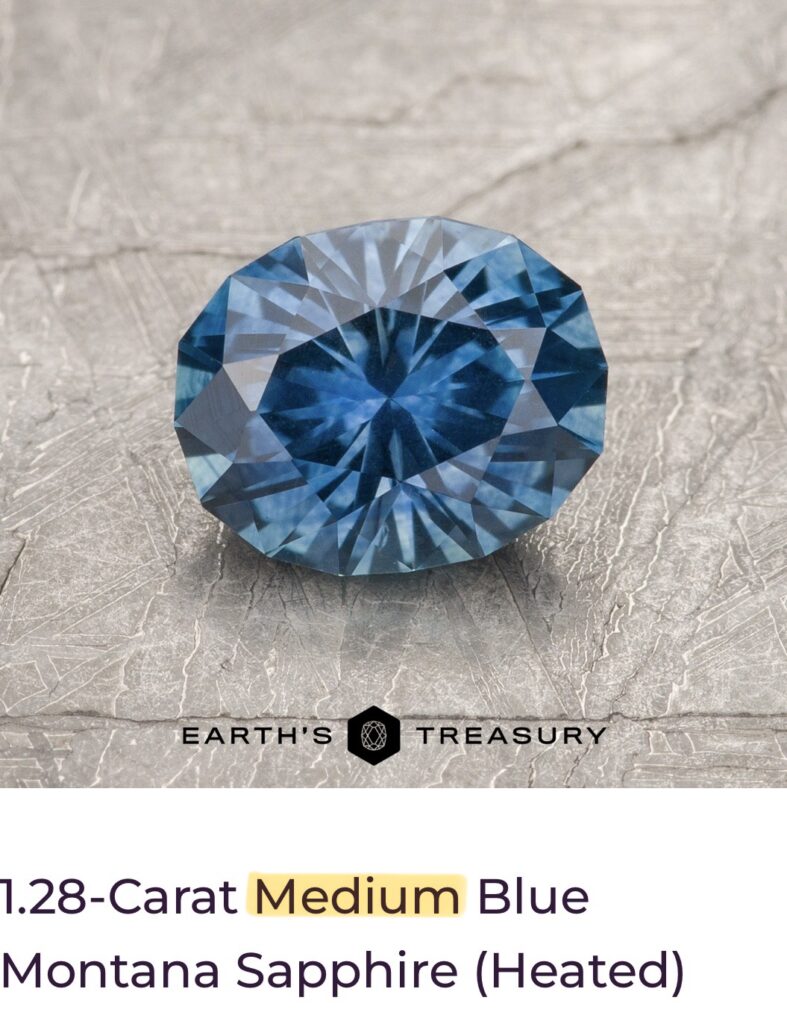
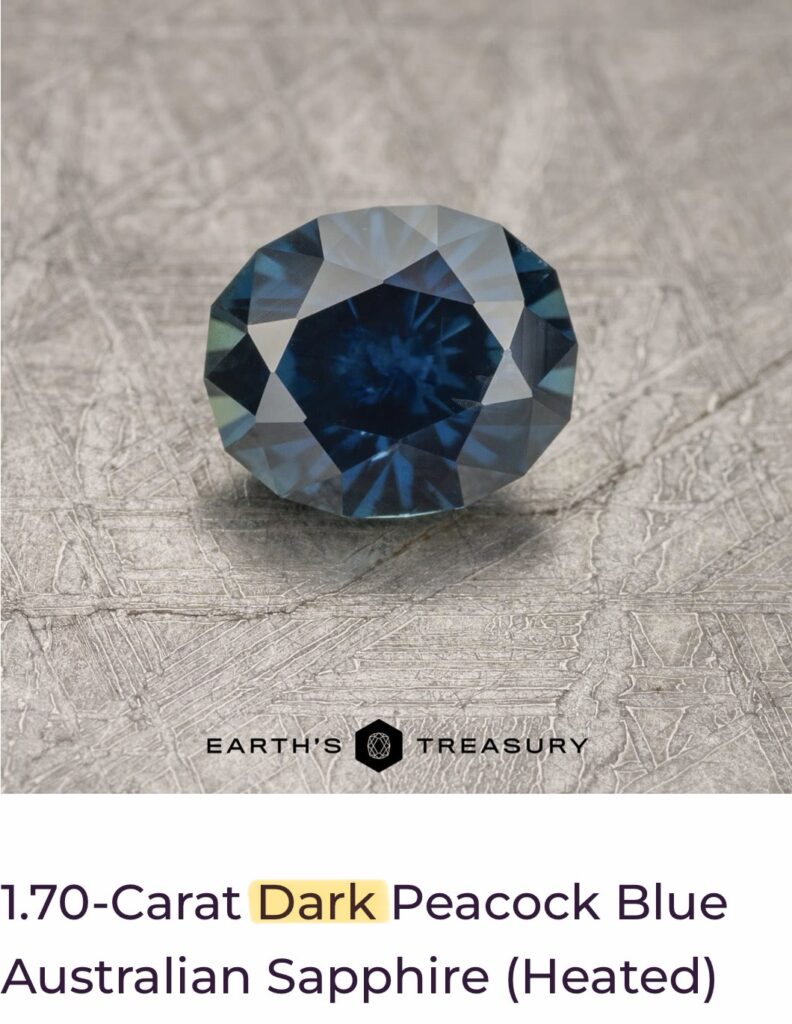
A gemstone’s hue is not the only color characteristic— color can be described by its tone, or the degree of darkness or lightness of a color. Below you can see the difference between a light, medium, and a dark blue sapphire. You can think of tone as an overlay of gray to black on top of the color.
Saturation
Saturation is the final characteristic of a gemstone’s color, defining the strength, or intensity, of color.
Gemstones that are highly saturated are generally more desirable when treatment is equal—especially in sapphires. For example, a heated vivid royal blue sapphire with intense saturation is often more desirable, and therefore more valuable than a heated paler blue sapphire. That said, the exact amount of saturation you like is totally a personal preference–one level of saturation is not inherently better than another.