
The Emerald Guide
What are emeralds?
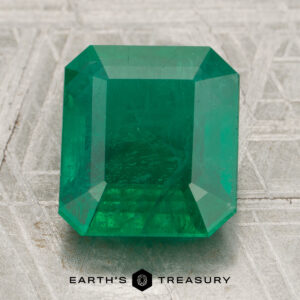
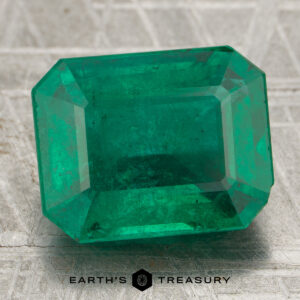
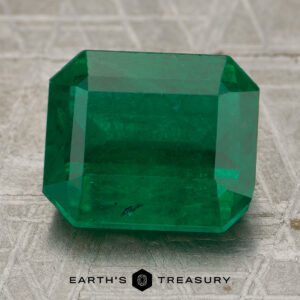
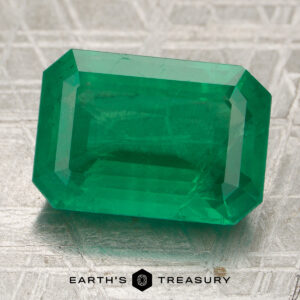
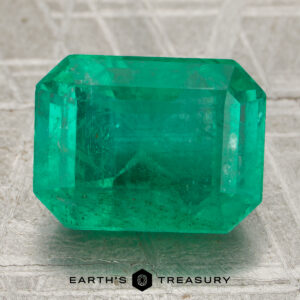
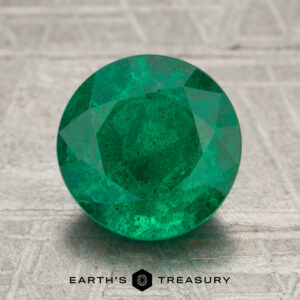
Emeralds are a variety of the mineral beryl, which gets its vibrant color from traces of chromium, vanadium, and iron or most commonly a combination of these trace elements. These trace elements absorb specific wavelengths of light, creating the iconic emerald green color we love.
You’ve likely heard of both the emerald gemstone and the emerald cut. The emerald cut was a developed as a natural evolution of one of the earliest diamond cuts, the table cut. It is a popular cut for emerald gemstones as it allows for the greatest yield from the natural long rectangle-shaped crystals. Its popularity in cut emeralds led to it being named for this gem.
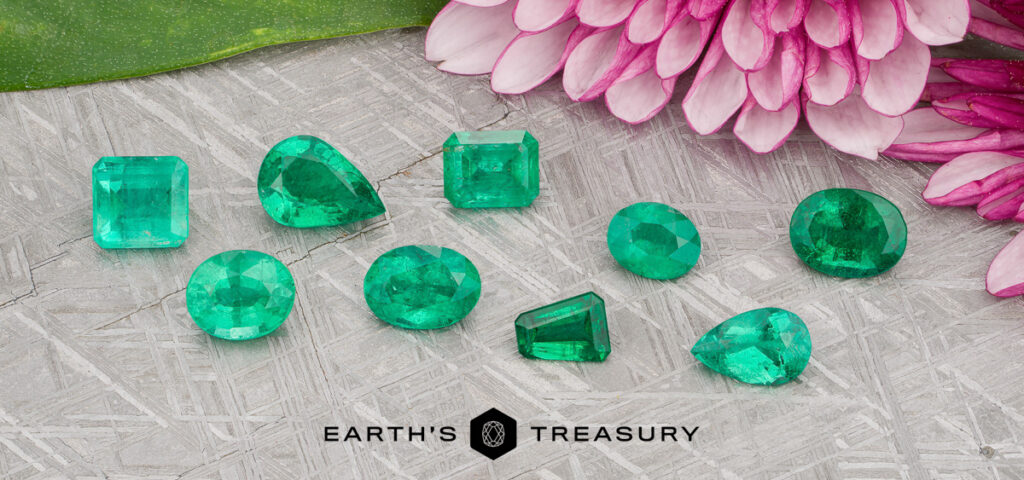
During the Art Deco movement, the “emerald cut” was adapted for other gemstones. While it remains one of the most popular shapes for emeralds today, they can be faceted in a wide variety of cuts and shapes, as seen below. That said, the most common shape remains the emerald cut, precisely because it allows for the largest gems to be cut from this very rare gemstone.
Where are emeralds found?
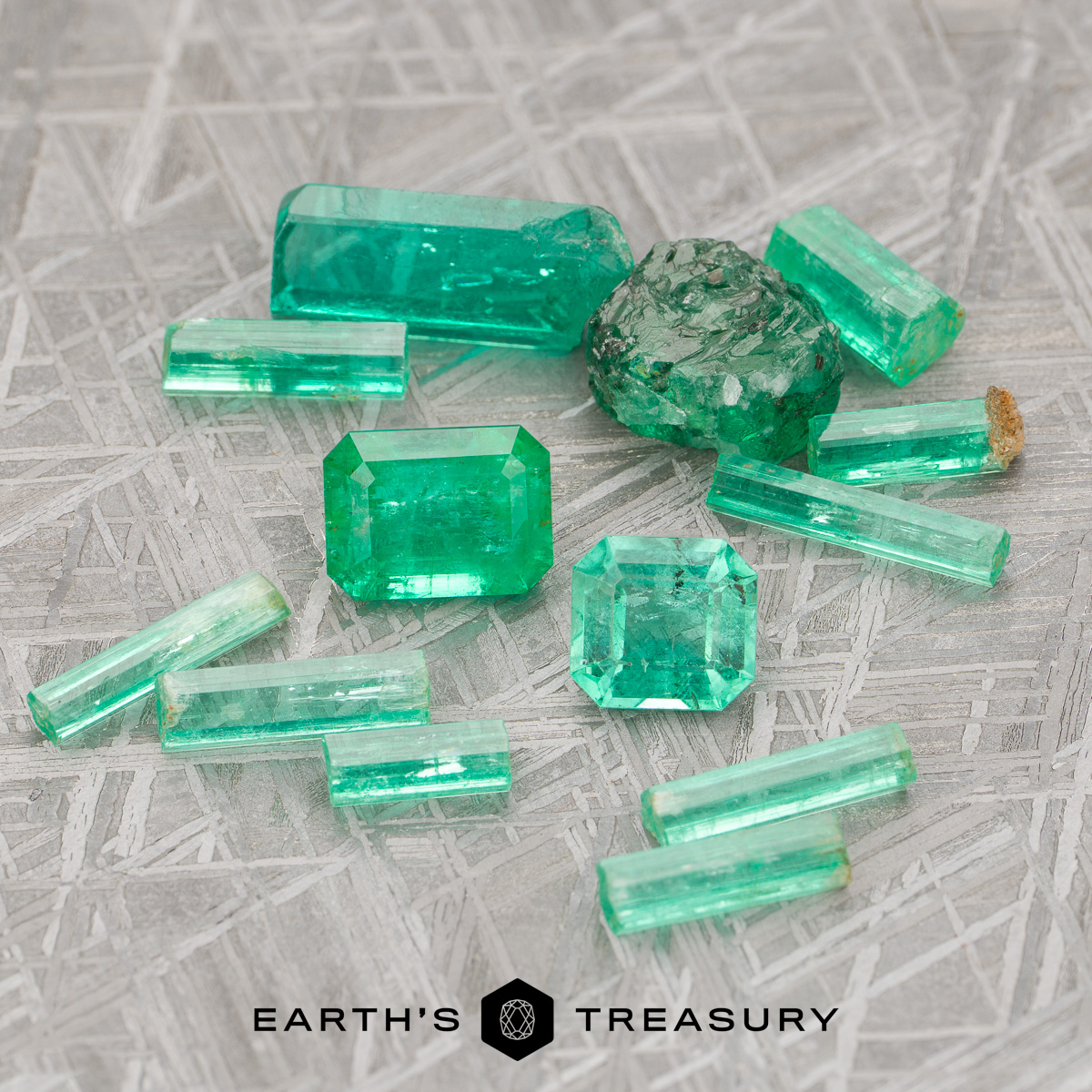
The earliest known emeralds were mined in ancient Egypt as early as 3300 BC, from the famous mines later associated with Cleopatra. Mining techniques at the time were primitive, and many of the emeralds found there would be considered low quality by today’s standards. Even so, their vibrant green color captivated many, and emeralds quickly became treasured by royalty, nobility, and priests as symbols of wealth, status, and spiritual significance.
Today, emeralds are found in several regions around the world; however, the two most significant sources are Colombia and Zambia. Colombian emeralds are widely regarded as the finest in the world due to their saturated green color and relatively high clarity, accounting for around 70% of the global supply. Most Colombian emeralds have very low iron content and derive most of their vibrant green color from chromium.
In the 1970’s, significant emerald deposits were discovered in Brazil and in Zambia, which changed the global emerald market and affected sales of the long-favored Colombian emeralds. By the 1980’s, both Brazilian and Zambian emeralds were being actively promoted internationally, and today both locations have been established as leading sources of fine emeralds.
Treatment
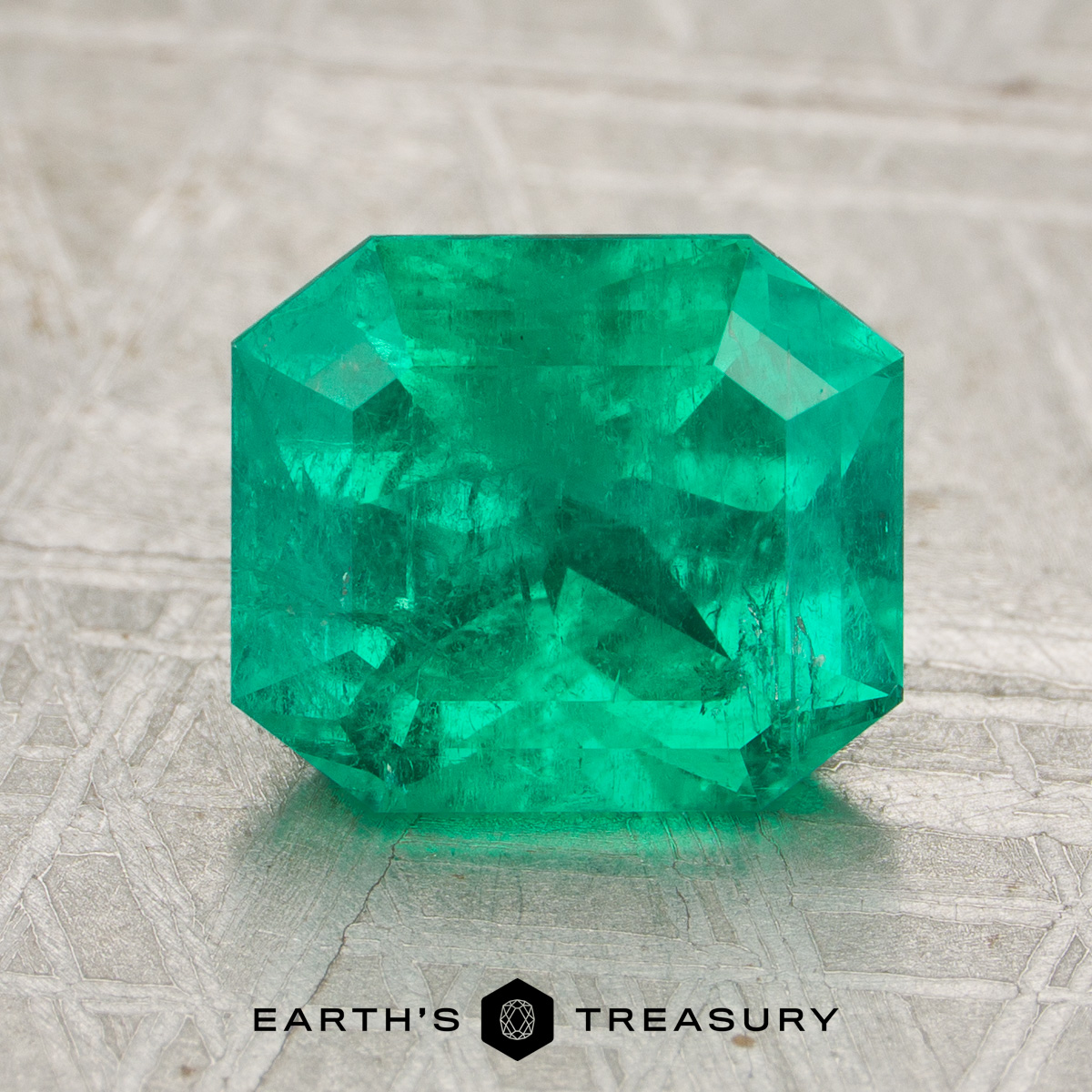
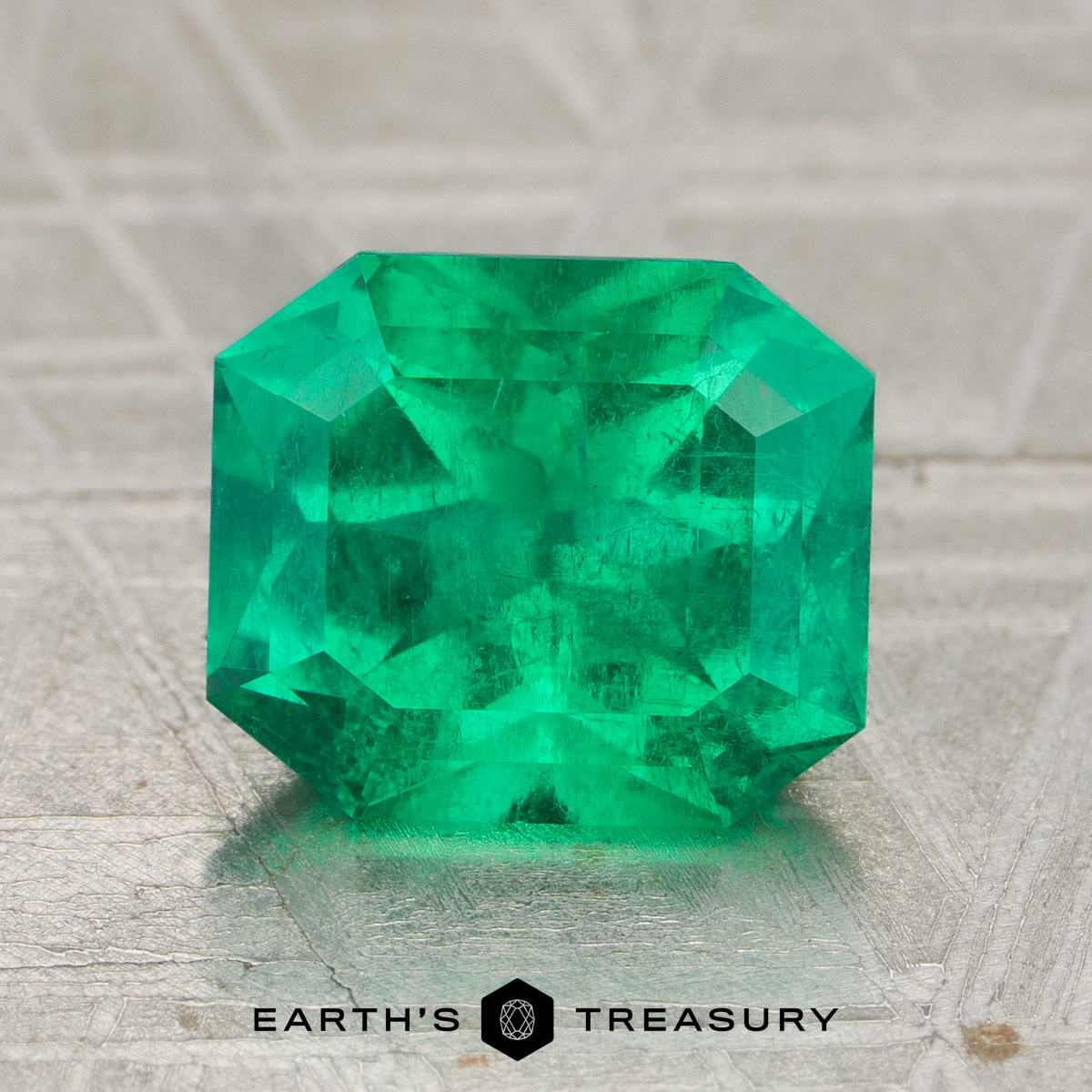
Emeralds almost always contain natural cracks and fissures when they come out of the ground. To improve their appearance and enhance stability, they are typically filled with specialized resins or oils. It is important to note that these treatments are fillers, not a dye. They do not alter an emerald’s color, but instead reduce the visibility of inclusions. Even though treatment is common in emeralds, it should still always be disclosed to the buyer. Unfortunately low-quality emeralds can be enhanced with both dyed oils and resins, but such treatments are usually fairly obvious as the color will be concentrated in the cracks and fissures.
At Earth’s Treasury, transparency is a core part of our sourcing philosophy. We clearly disclose any treatments performed on each of our gemstones, ensuring you have all the information you need to make an informed purchase. We will never sell emeralds that have used dyes in the filler.
The images below illustrate the difference clarity enhancement can make.
Emeralds in Jewelry
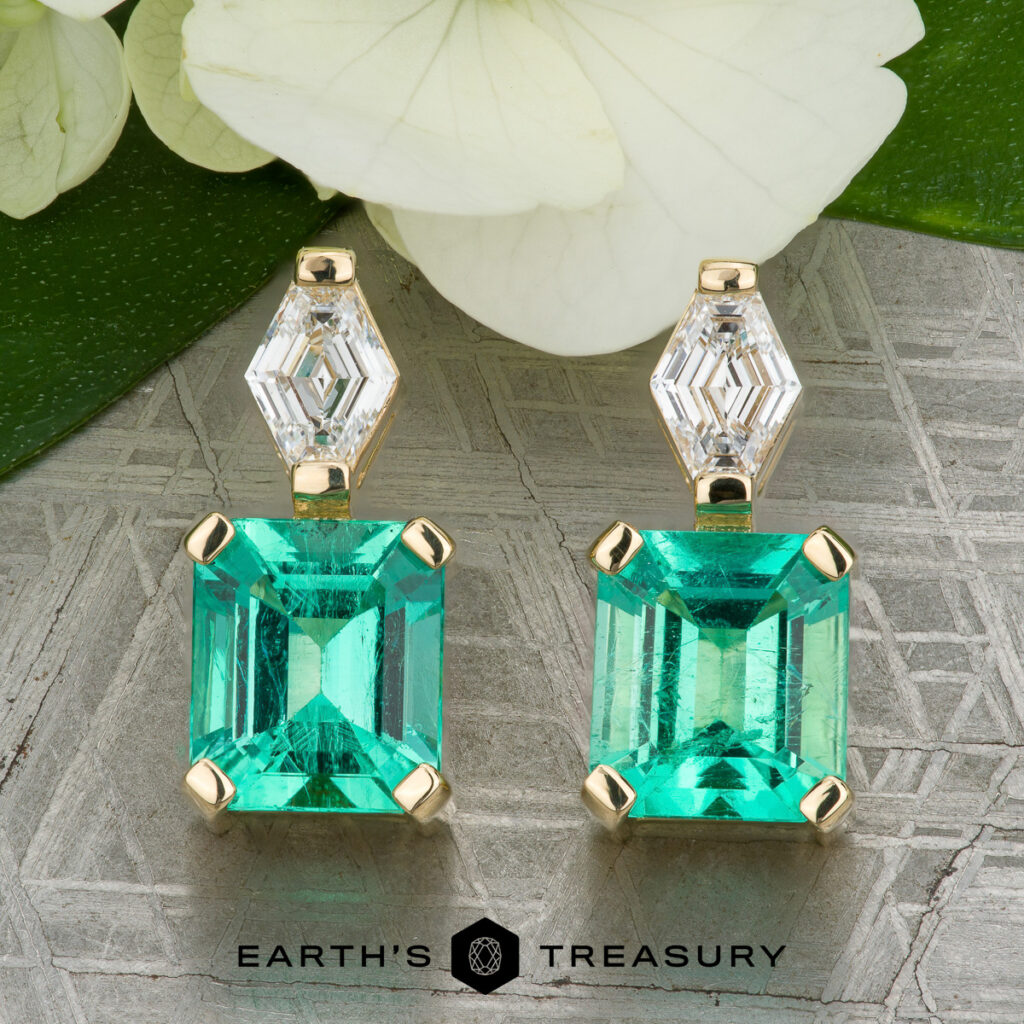
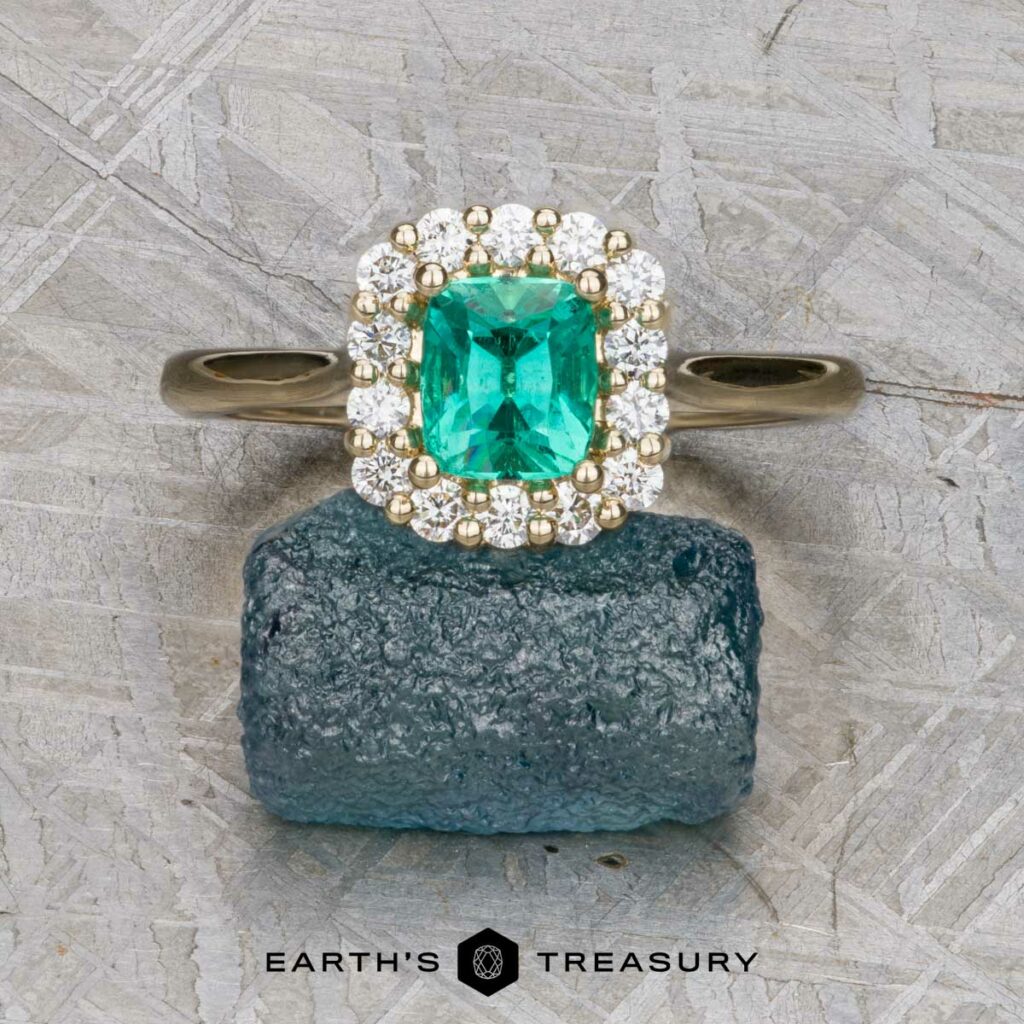
While emerald has a hardness of 7.5-8 on the Mohs scale, its overall durability is limited by the natural fractures and inclusions often found in the gem. Given this, emeralds should be handled carefully and are not generally recommended for daily-wear rings. Instead, emeralds are better suited for jewelry that experiences less daily wear, such as pendants, earrings, or occasional-wear rings with a lower risk of impact. Bezel settings or halo settings are also often used with emeralds to help protect the gem.
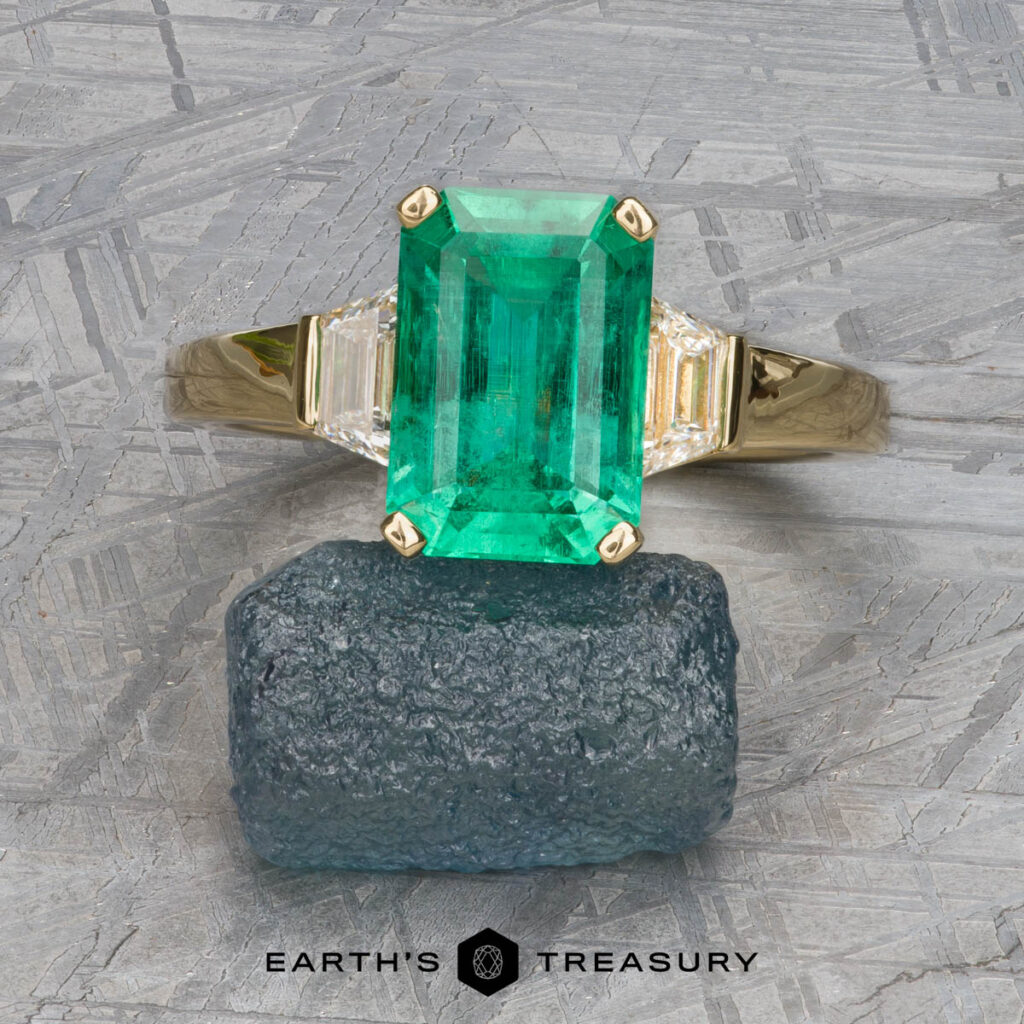
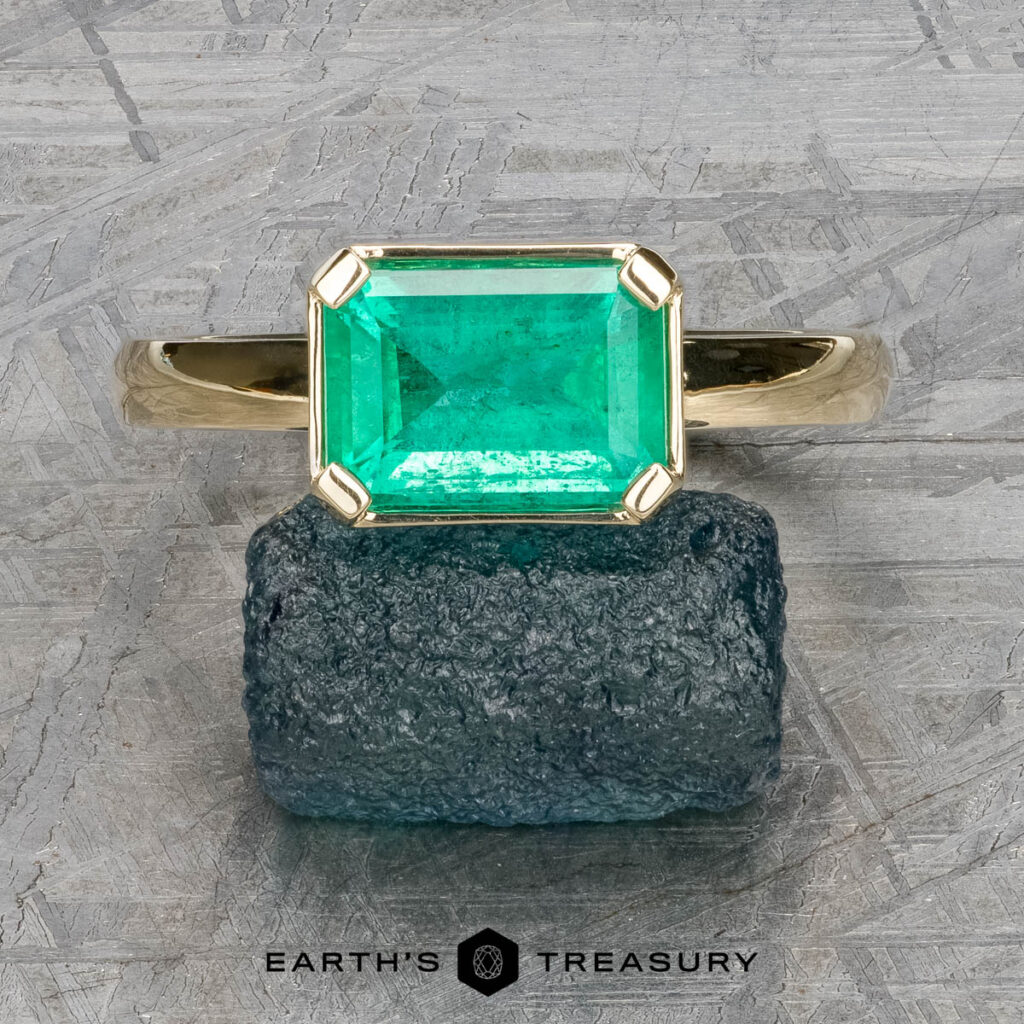
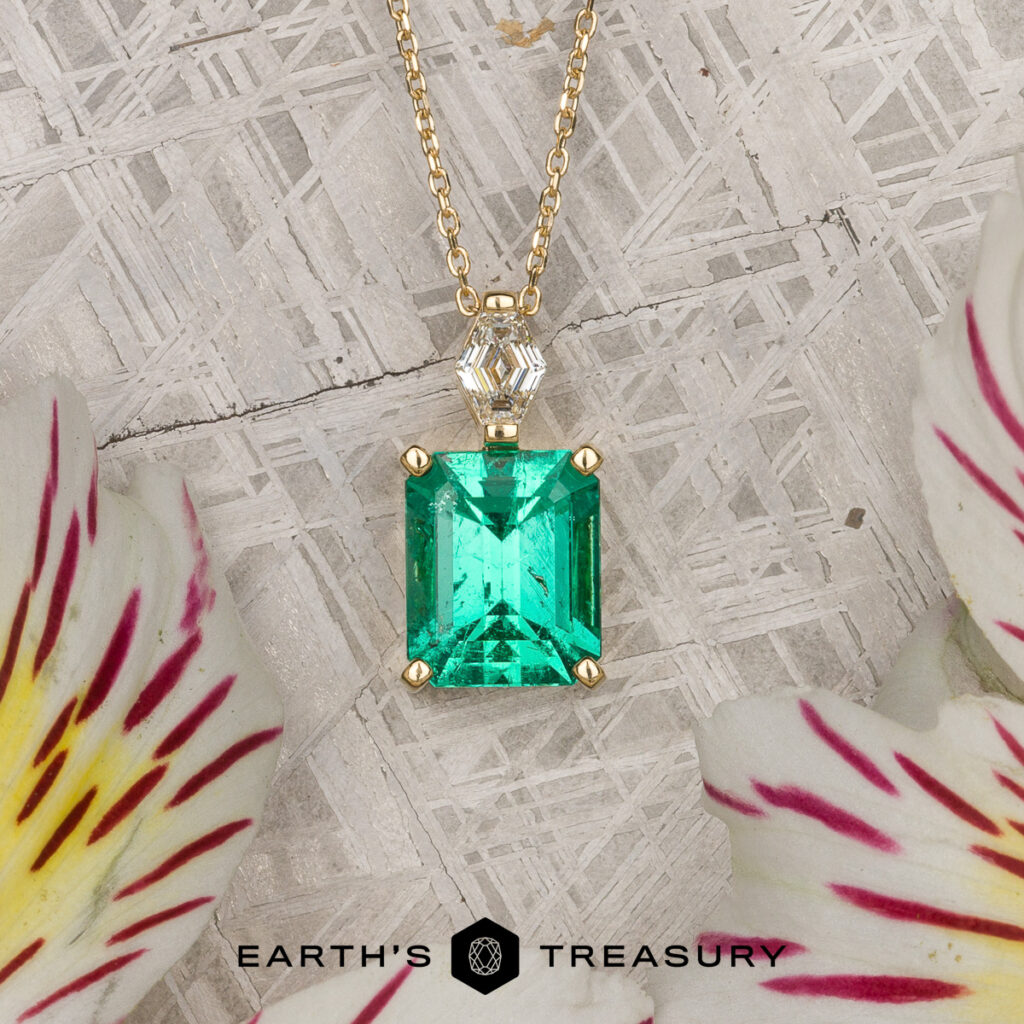
We love working with emeralds— below is a gallery of some of our recent custom projects featuring emeralds.
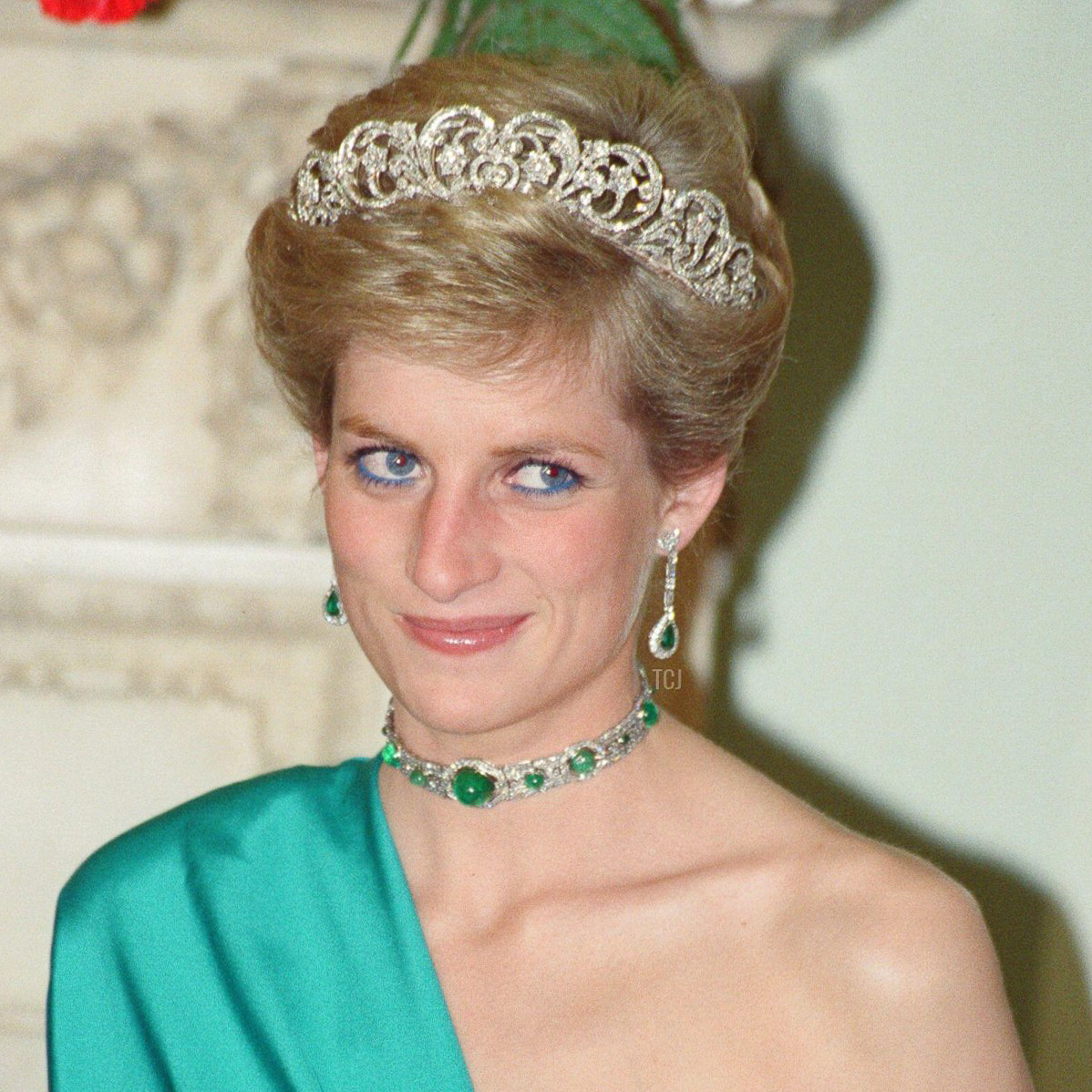
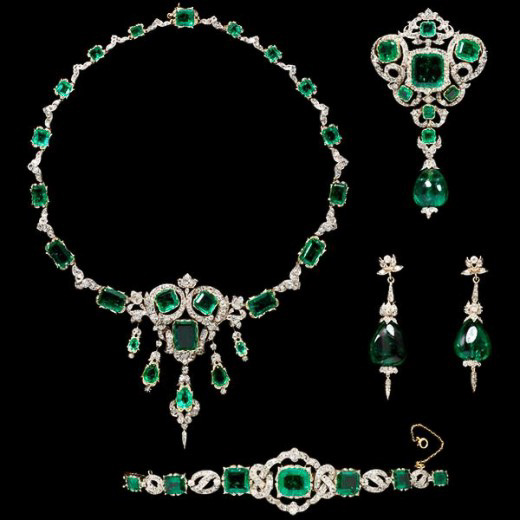
Emeralds have been featured in countless prized fine jewelry pieces. Below are three of the most notable pieces. On the left is the 18.04-carat Rockefeller emerald, an exceptionally rare, untreated Colombian emerald, sold for $5.5 million at Christie’s in 2017, breaking the world record for price per carat in an emerald at the time.
Another iconic emerald piece is the Cambridge Emerald Choker, famously worn by Princess Diana. The piece was originally commissioned for Queen Mary in 1921 using gems from the historic Cambridge Emeralds parure. Queen Elizabeth II gifted it to Diana as a wedding present in 1981, and it quickly became one of her most recognizable pieces.
Finally, the expansive Harris emerald suite on the right contains 37 Colombian emeralds gifted to British Major-General George Harris after his victory at the Battle of Seringapatam in India in 1799. Passed down through the Harris family as heirlooms, they remained unset until 1874, when the fourth Lord Harris had them crafted into jewelry for his wife, Lucy Ada.
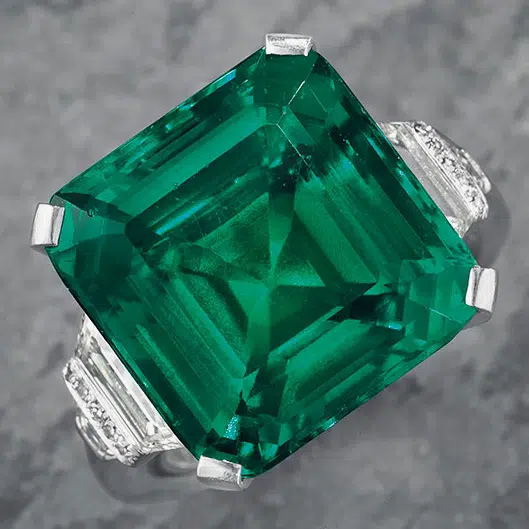
Source: JCK Online
Source: The Court Jeweller
Source: Diamond Studs
Shop New Emeralds
We’re always adding to our collection of gemstones. Below are the newest emeralds available on our website!