




Adding Texture to Your Ring: Engraving, Filigree and more
Adding texture and pattern to your ring is an easy way to transform your design and give it a distinctive style. There are a variety of techniques to do so, and depending on your goals and budget, our designers can suggest which will work best to bring your vision to life!
CAD-Created Texture
One of the most versatile ways to add texture to jewelry is through computer aided design, or CAD. With this, our designers can create patterns or depth to scale on a model of your piece that will then be cast into it, rather than added later.
The beauty of using CAD is we can achieve an incredible level of precision and symmetry within a design and preview the final piece. Here we have flexibility to change design elements or patterns before moving into production. Below are some of the ways we can use CAD to create texture.
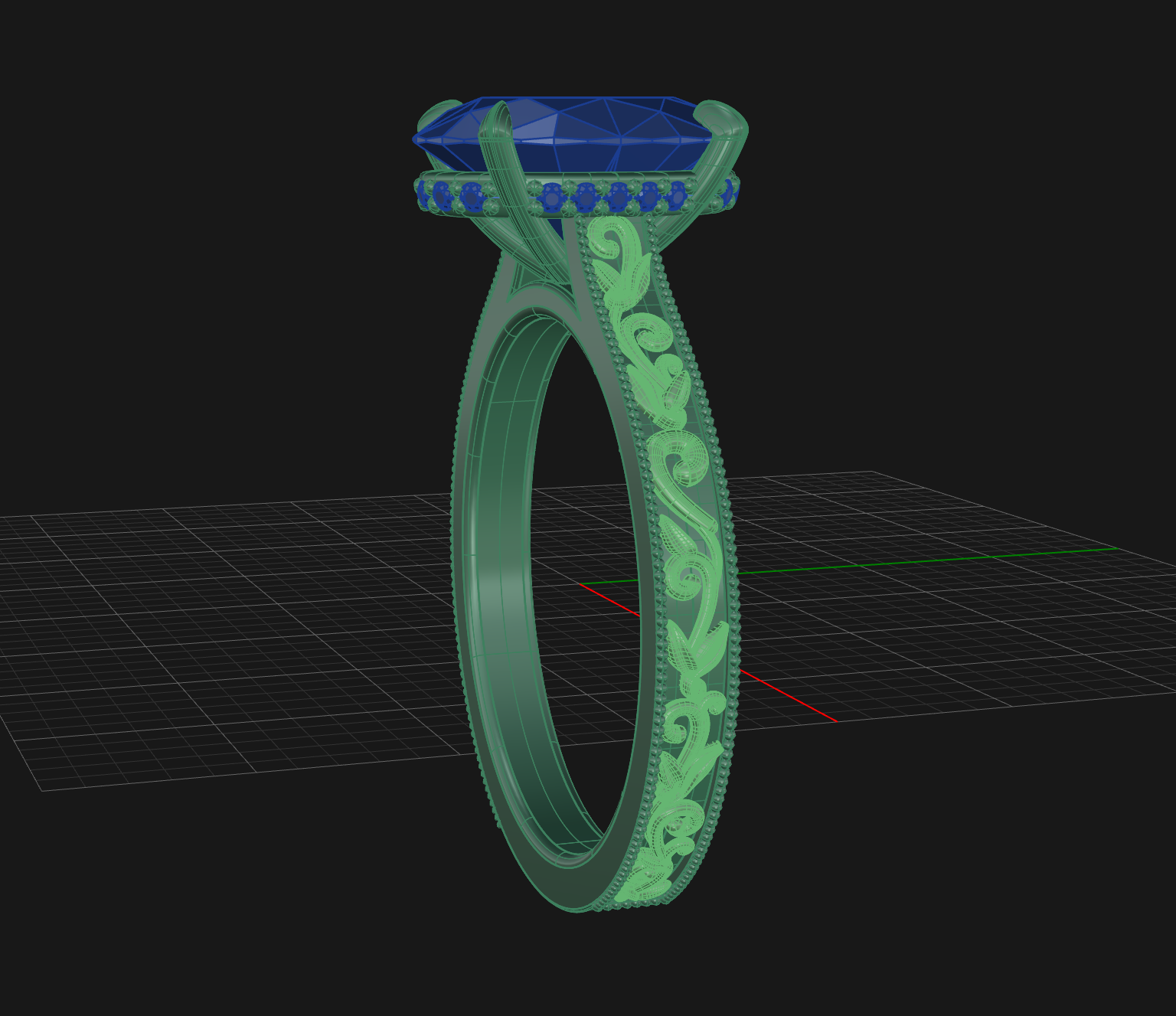
Filigree and Scrollwork
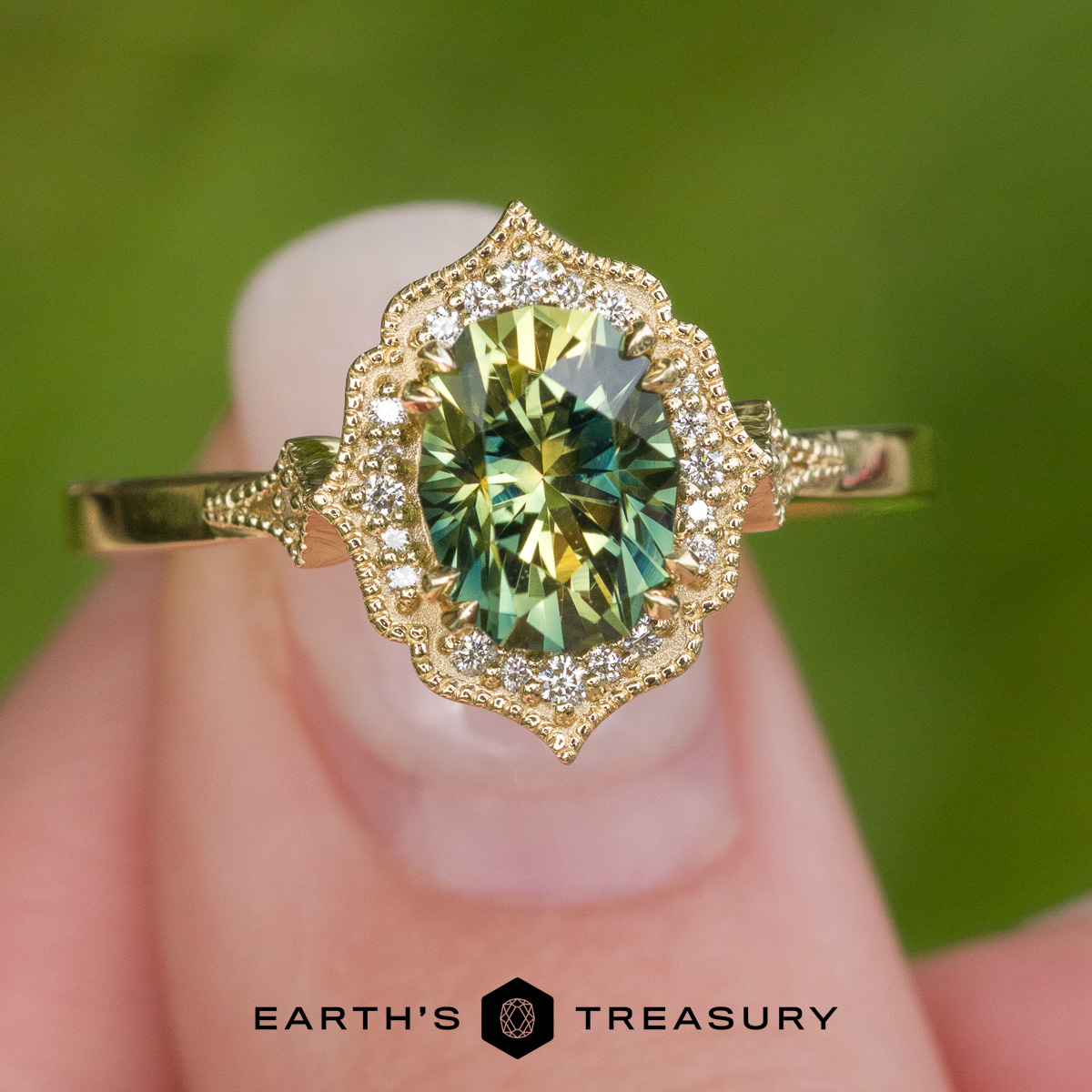
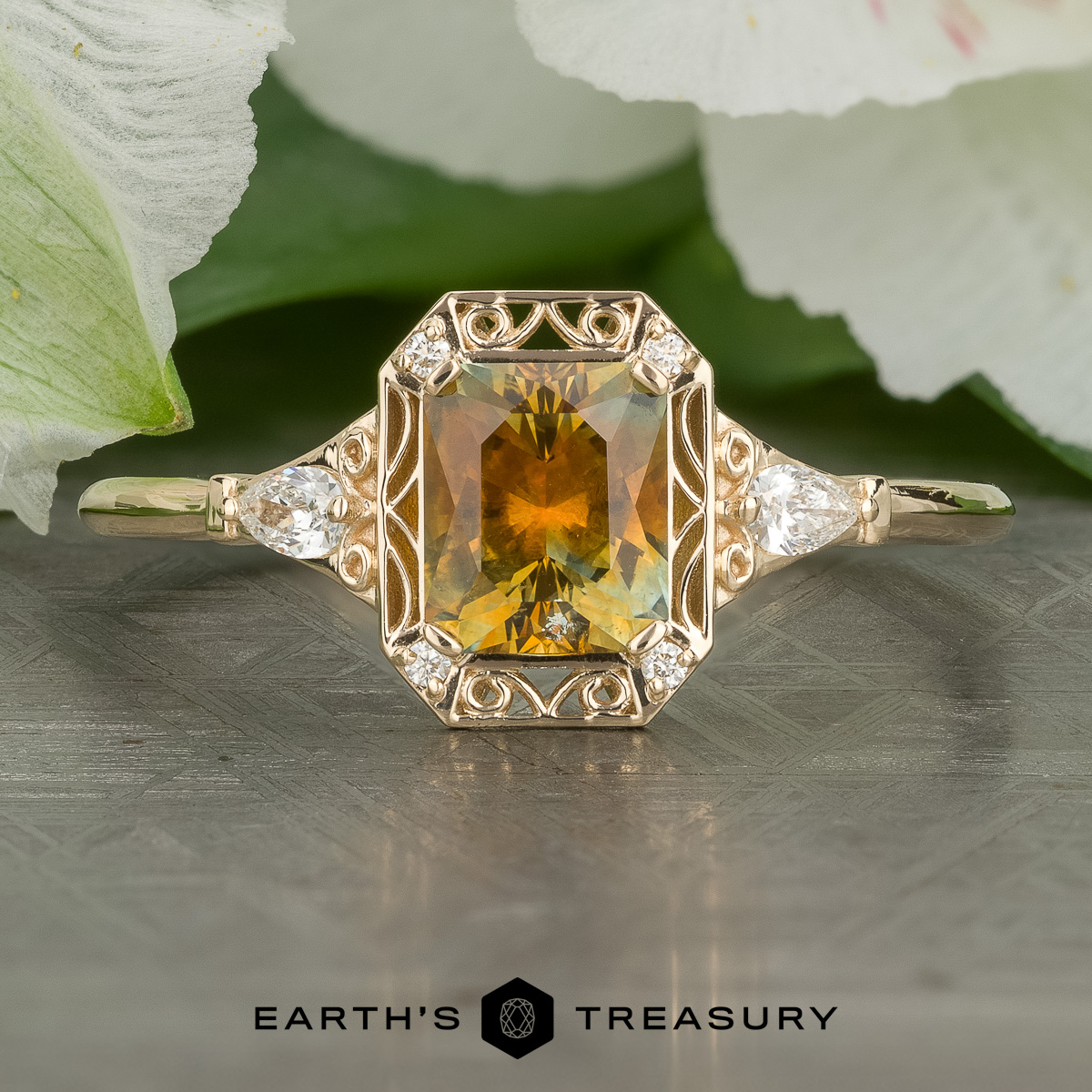
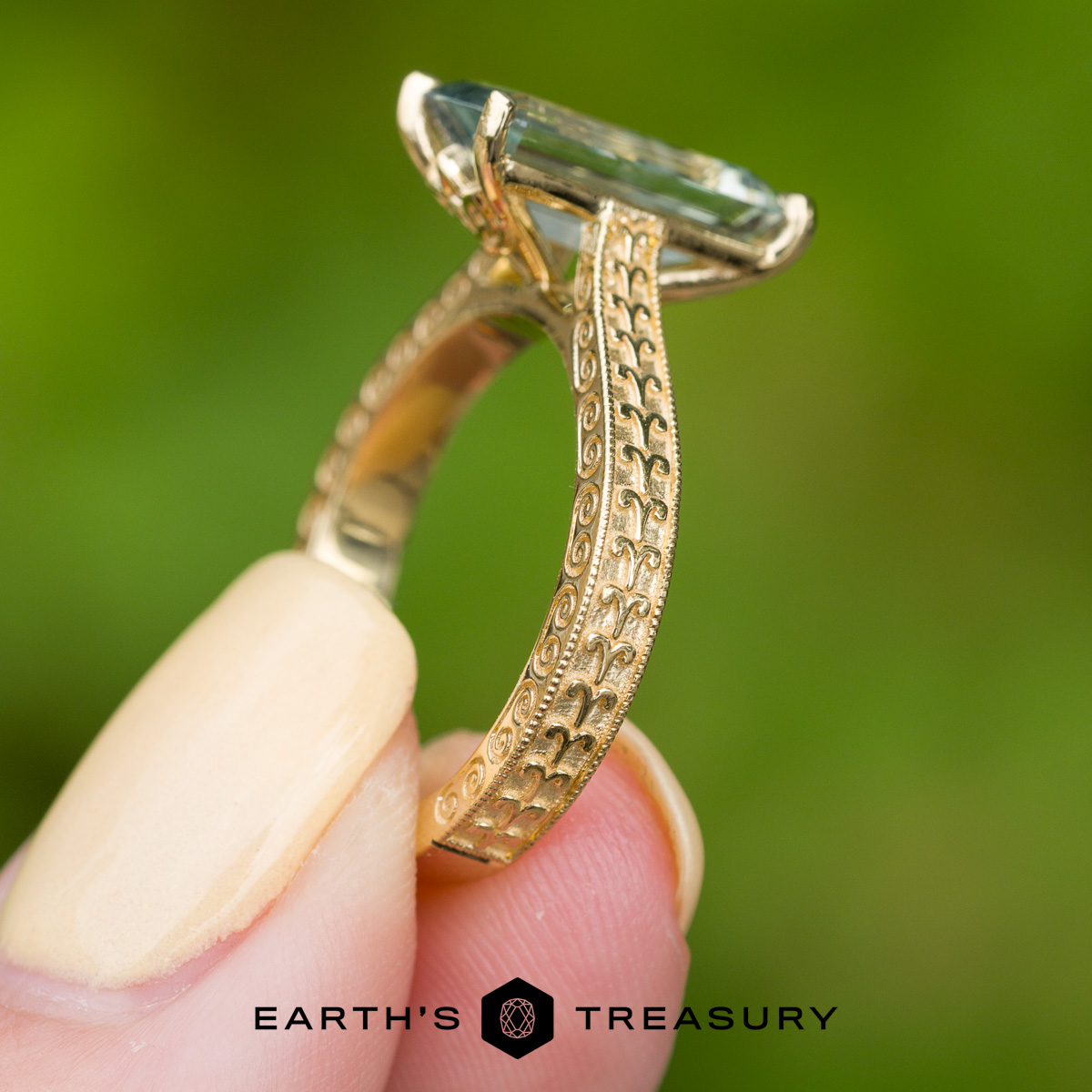
Filigree is a classic metalwork technique that results in an open lace-like pattern. Traditionally, was created by twisting wires and soldering/fusing them together or with hydraulic stamping of metal. Scrollwork is a raised pattern in the metal and has been created using similar techniques as well as engraving to create a raised pattern. With modern CAD tools and high-resolution casting we can replicate this intricate design with high precision in much less time, making what were once more complicated and expensive more accessible .
Filigree and scrollwork are some of the most popular details to add to a ring, especially if you are looking to achieve a vintage inspired look.
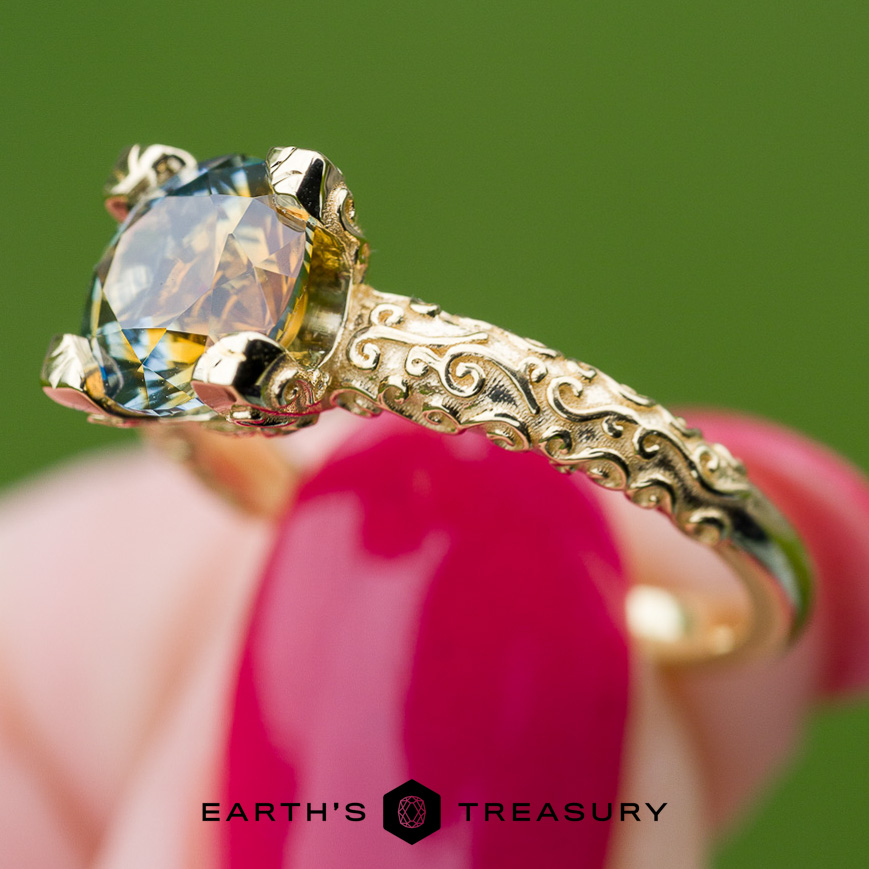
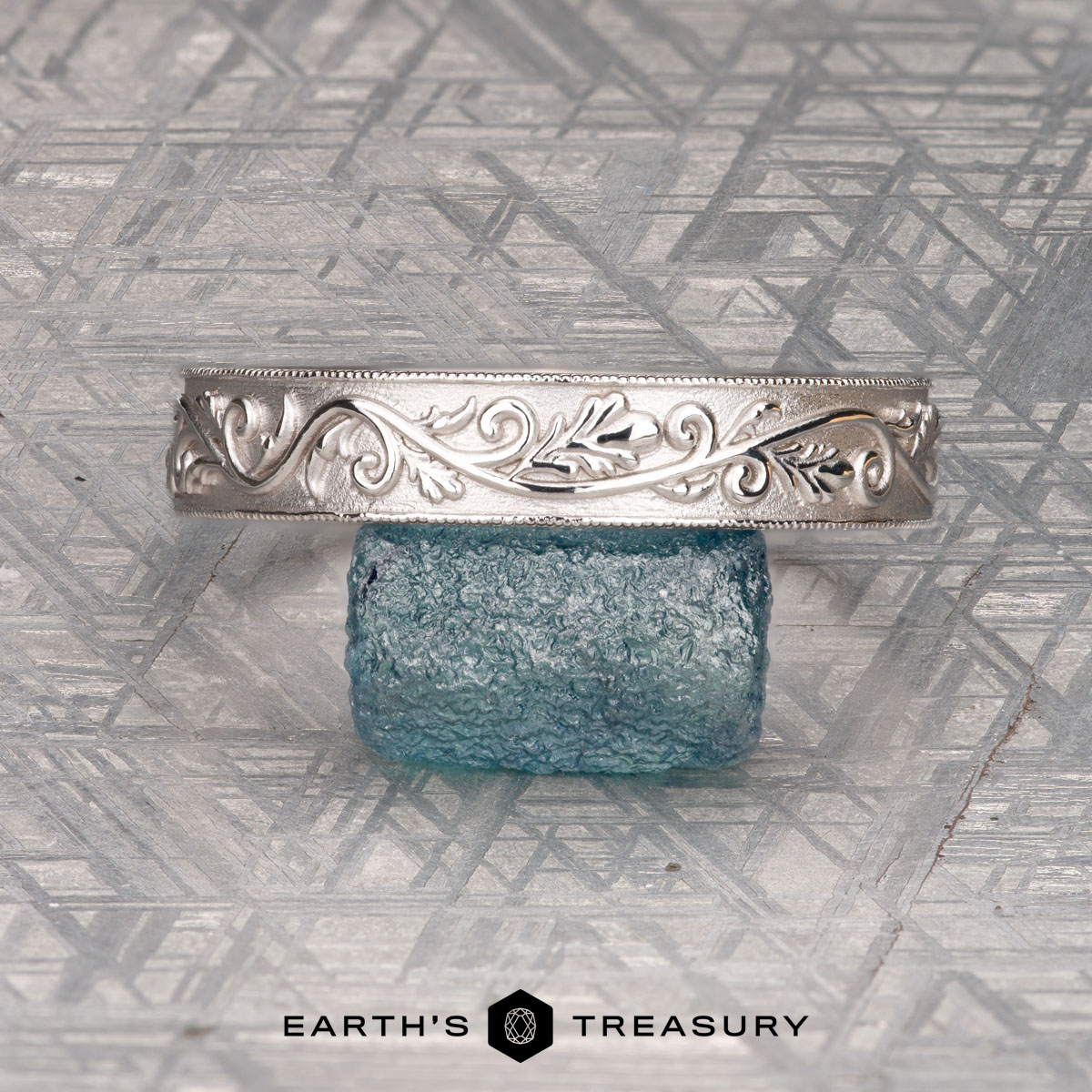
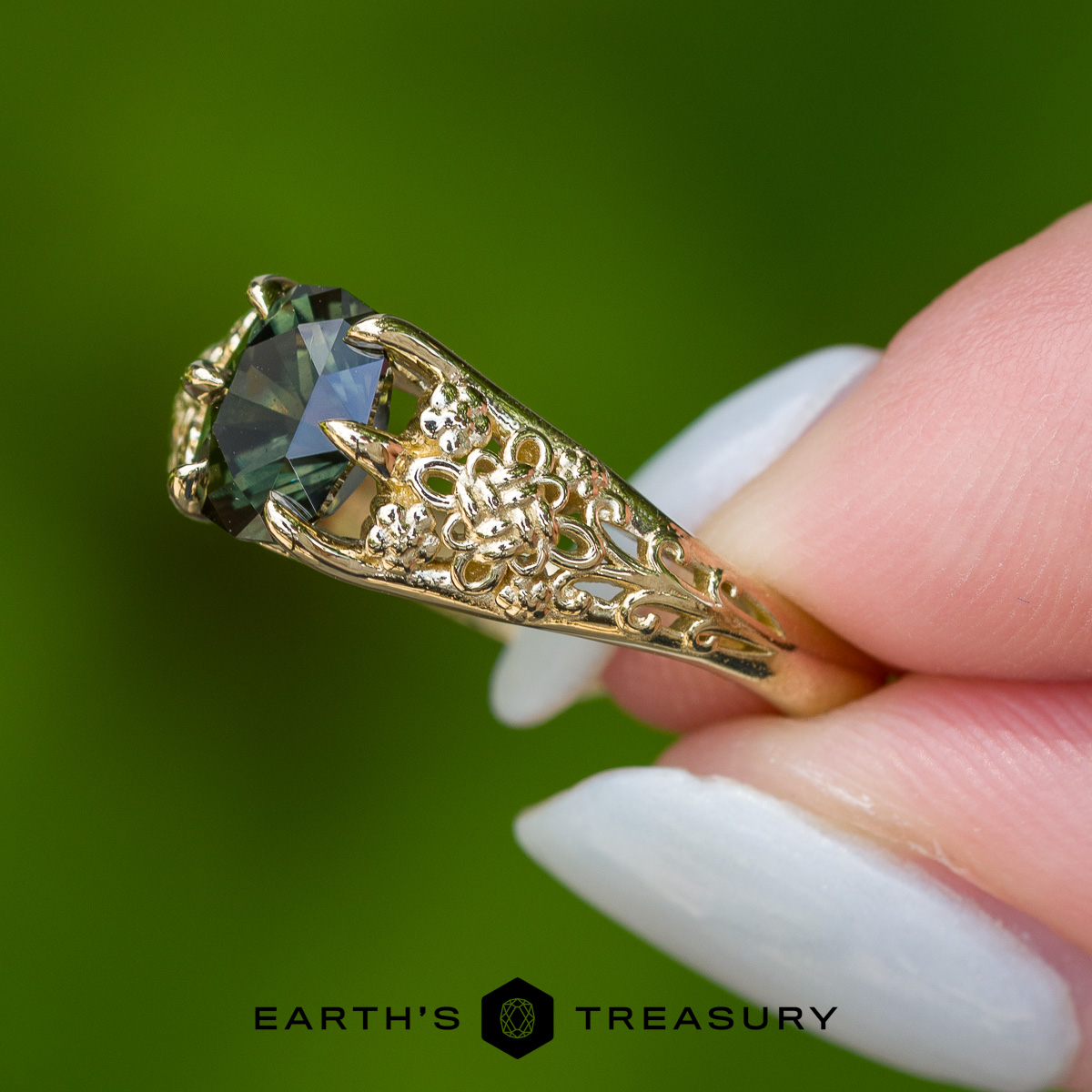
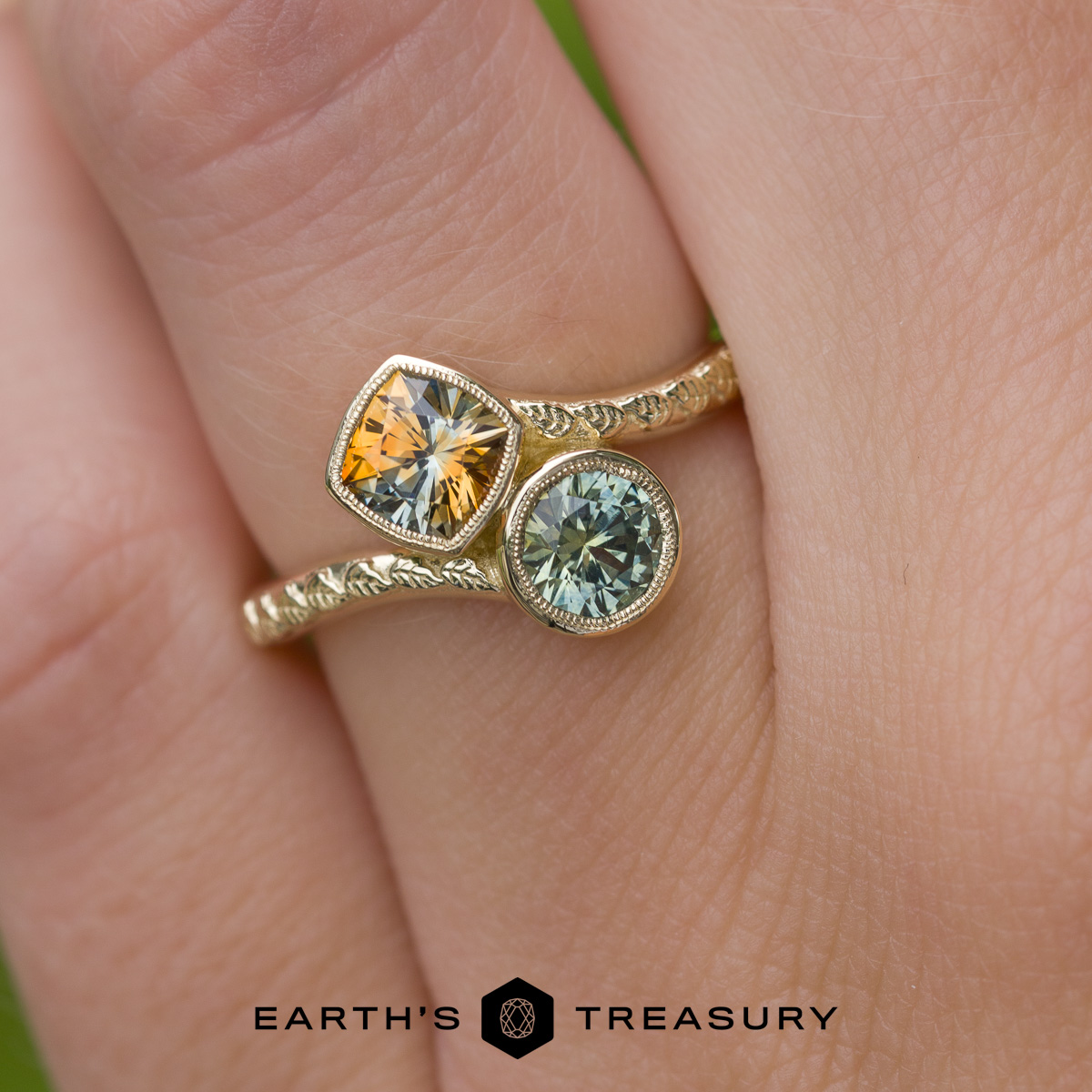
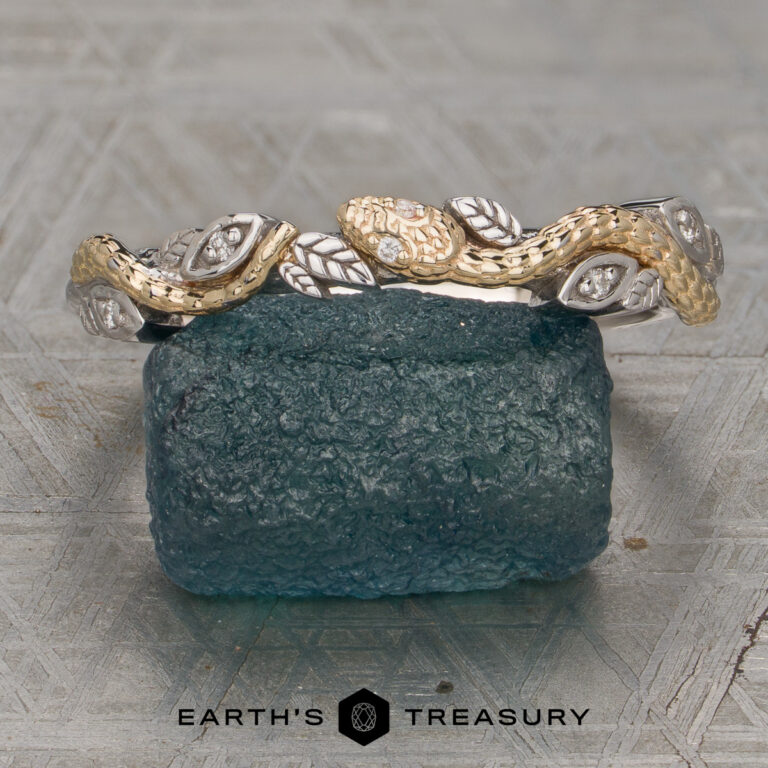
Beyond traditional filigree, there are endless amounts of raised patterns we can create in CAD. These patterns can include, but are not limited to geometric patterns, floral motifs, and twisted/braided shanks!
Milgrain
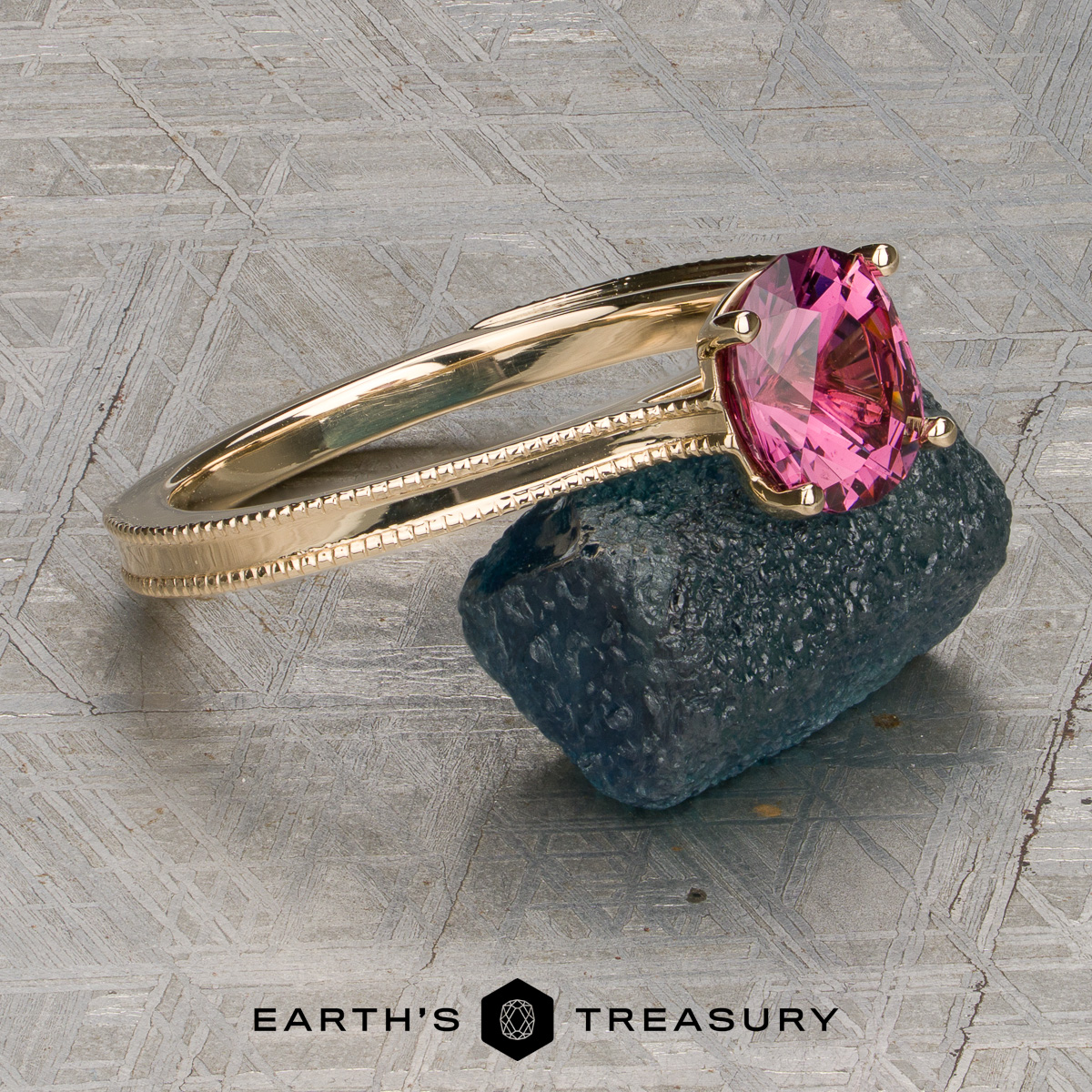
Derived from the French phrase “mille-grain” meaning “a thousand grains”, milgrain is a simple, yet impactful design detail to add to your jewelry. Milgrain is essentially band of small beads, often around the edges of a ring for added visual interest.
Cut-Outs & Negative Space
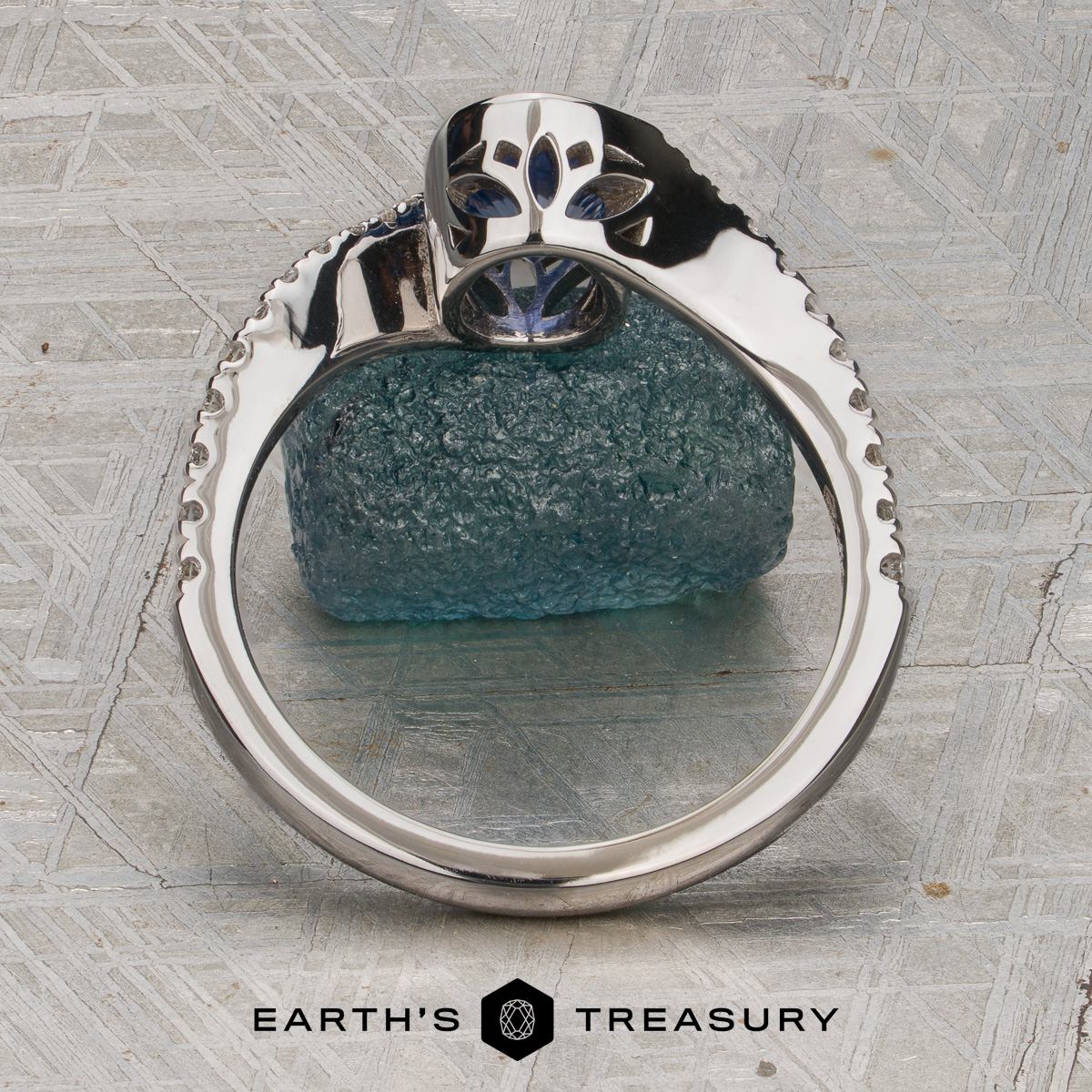
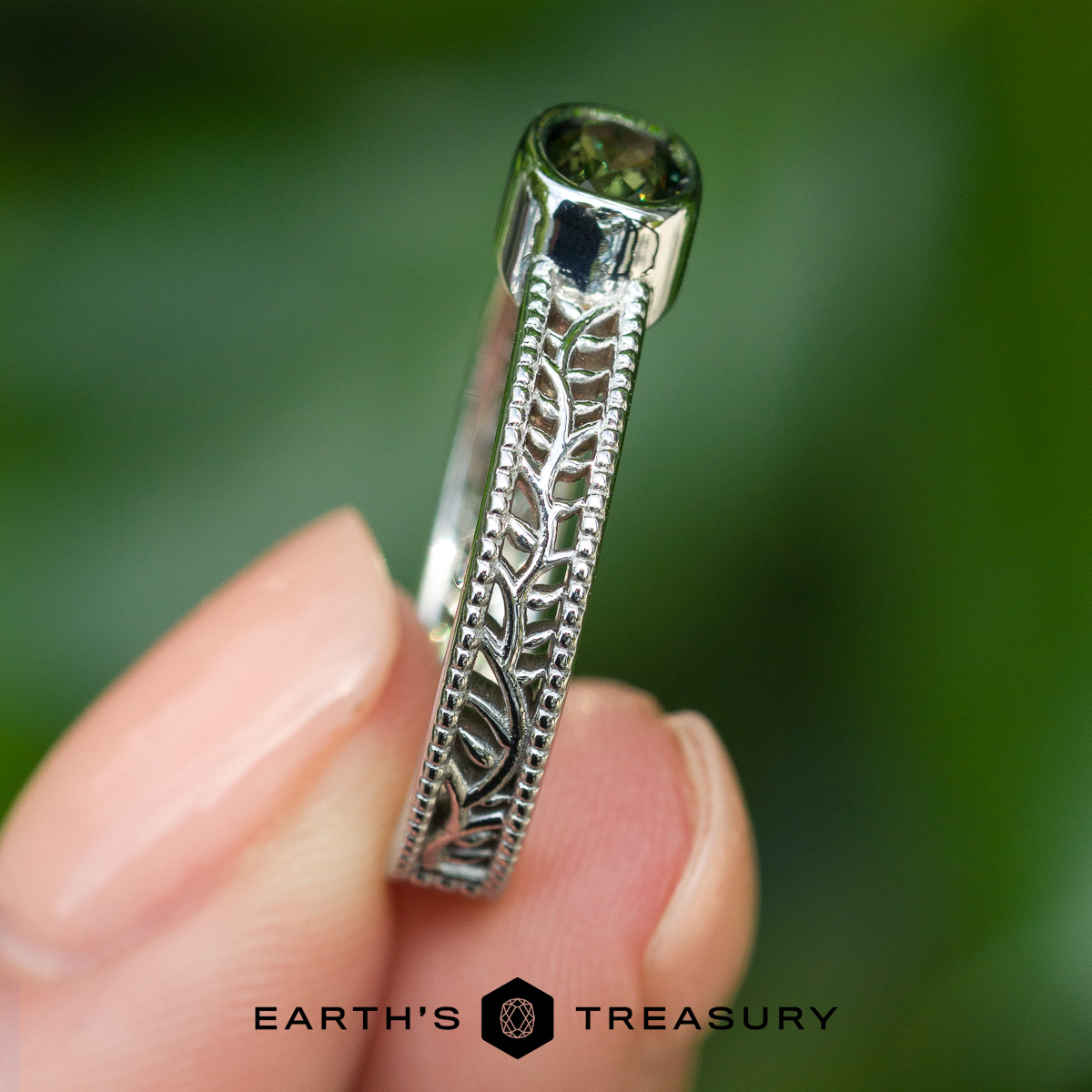
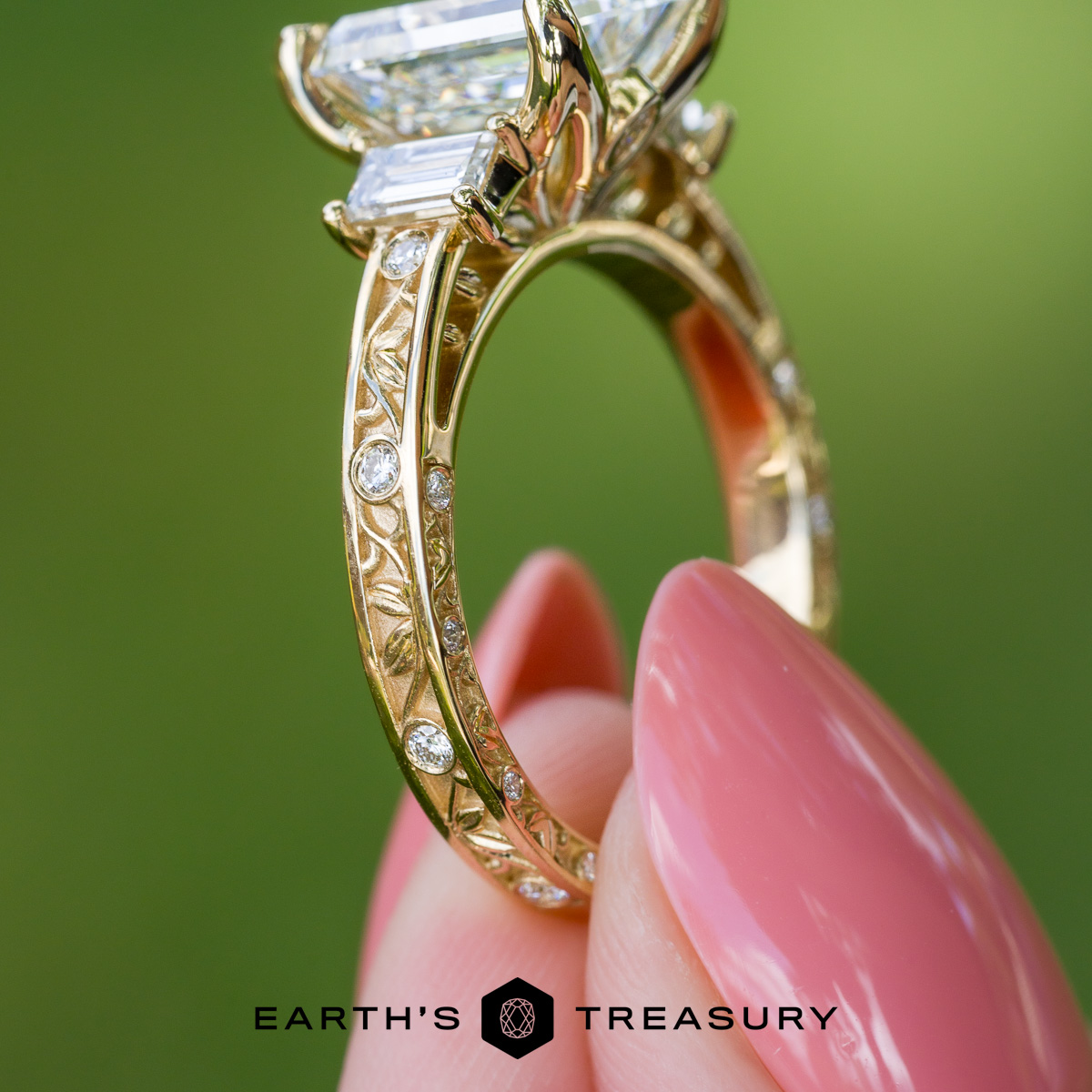
Cut-out designs introduce negative space to a ring, creating a distinctive architectural look while adding dimension. We often use this technique in a ring baskets where details are visible from the side profile
Beyond adding an unexpected design element, cut-outs can lighten your ring. Depending on the direction of your piece, these details can add a modern edge or a vintage-inspired charm.
Recessed Details
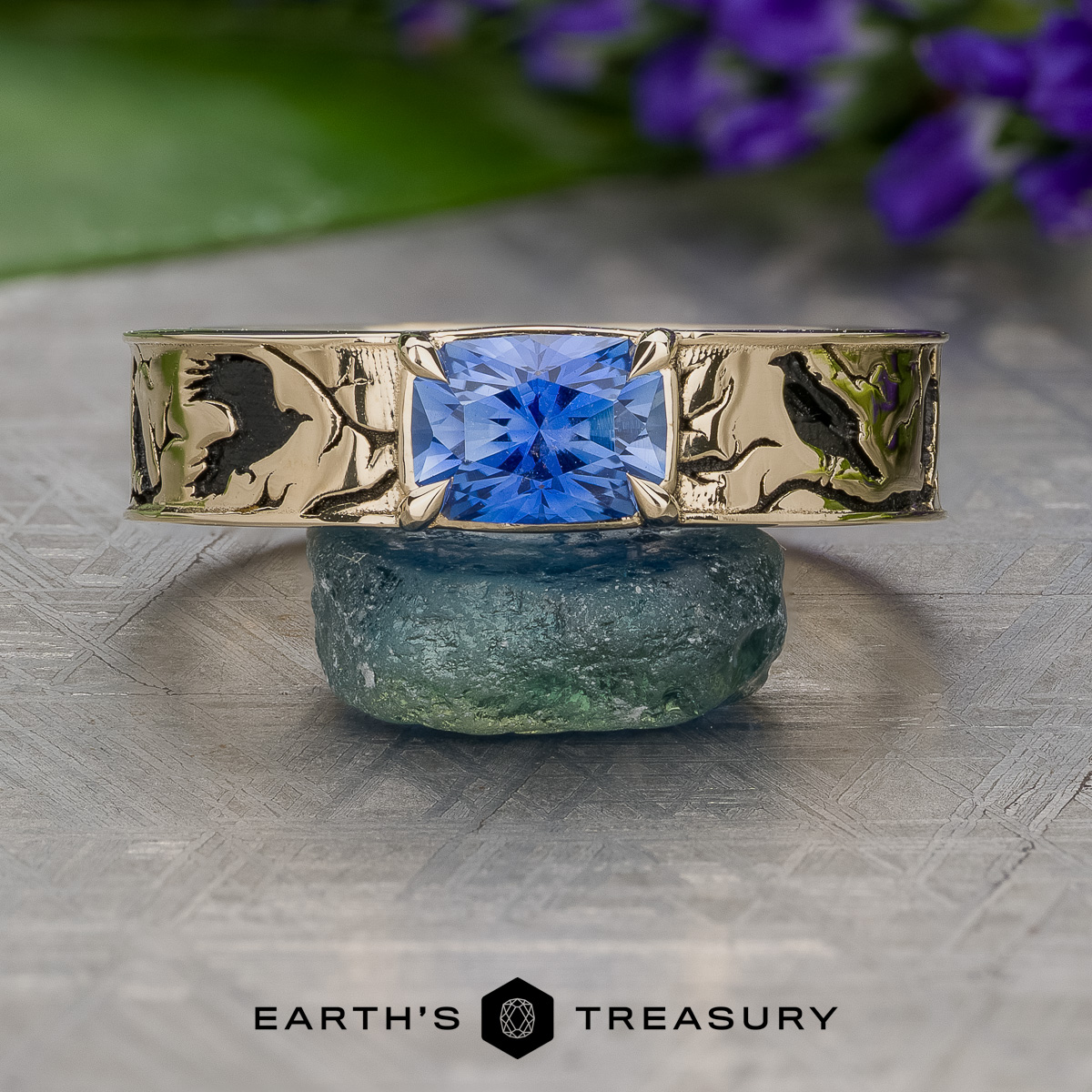
The same way we can add raised patterns to a ring, we can create recessed details to add depth, as well.
In some cases, these recessed areas can be darkened for added contrast, as seen in the custom ‘Raven’ ring, or feature a different metal texture against a polished finish.
Engraving
Engraving is a classic design choice that has been incorporated in jewelry for ages. Depending on what you are looking for, there are two options when it comes to adding unique engravings to your piece!
Hand Engraving
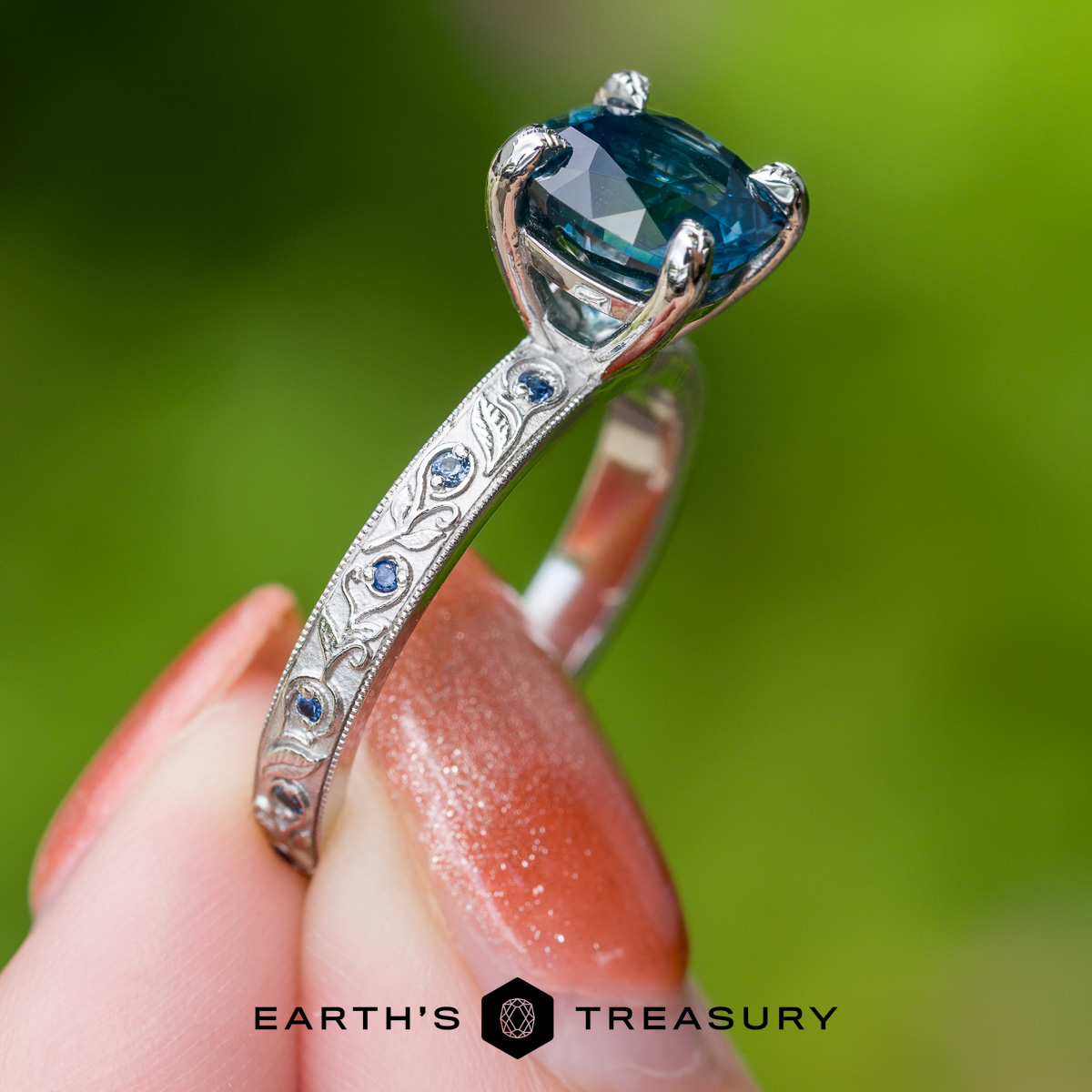
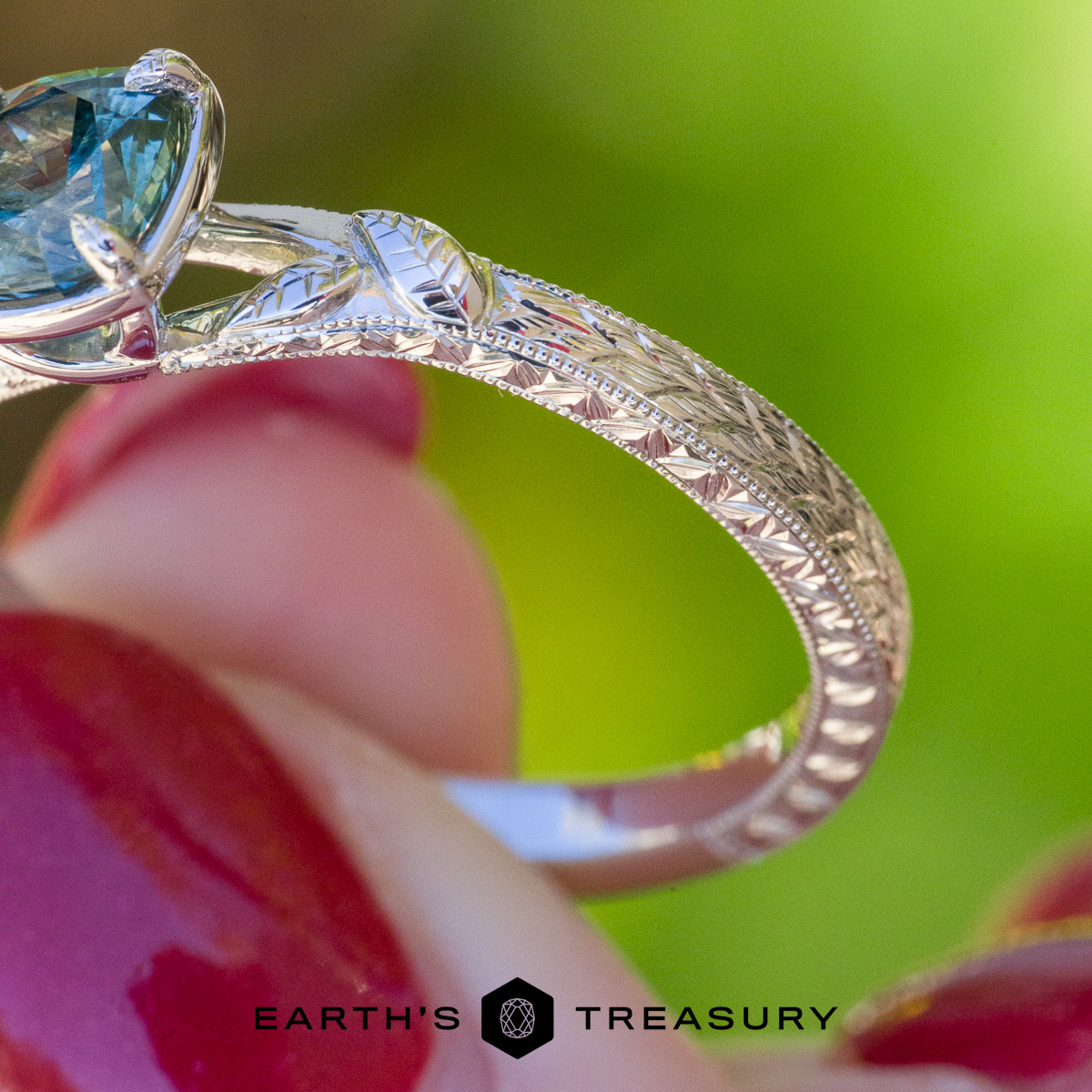
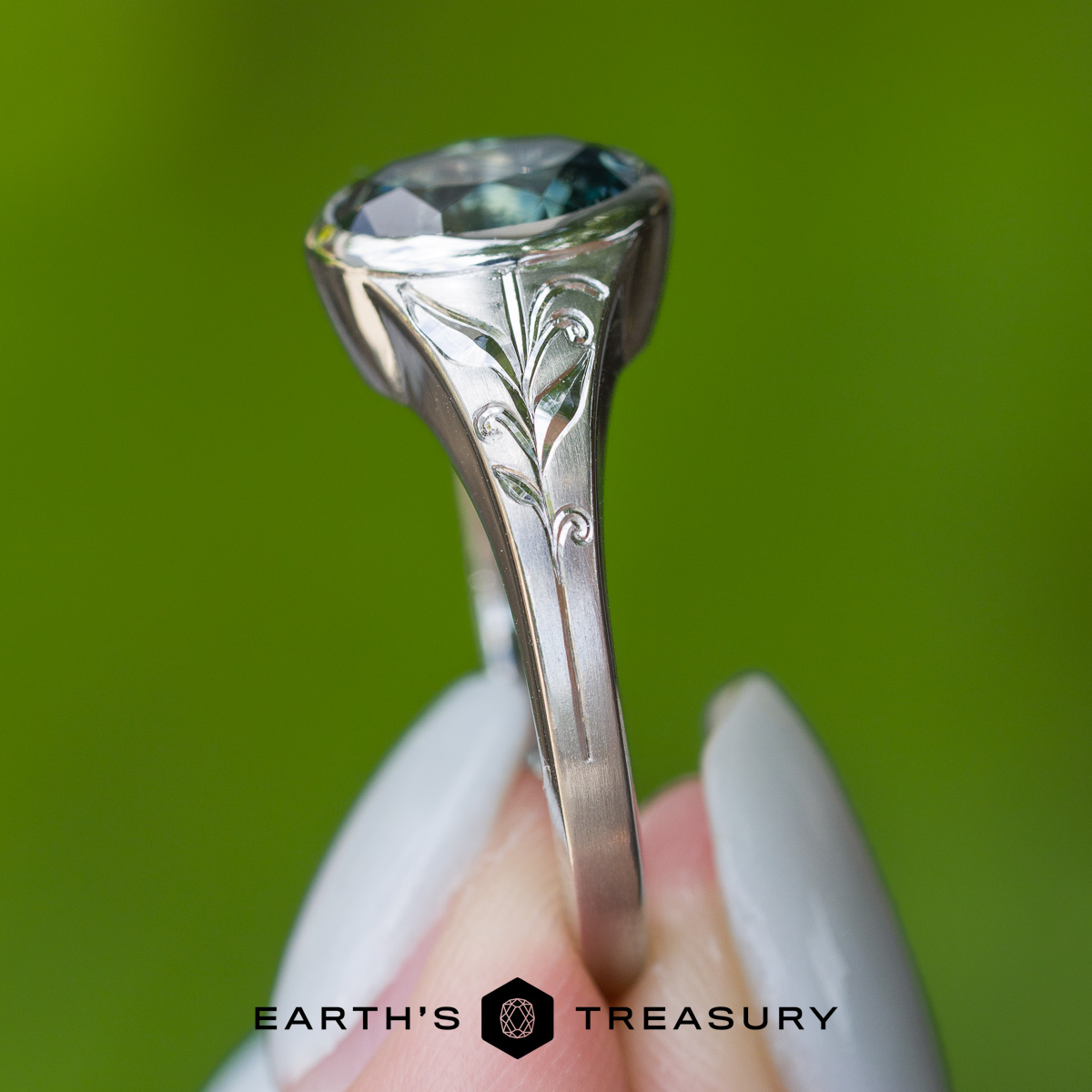
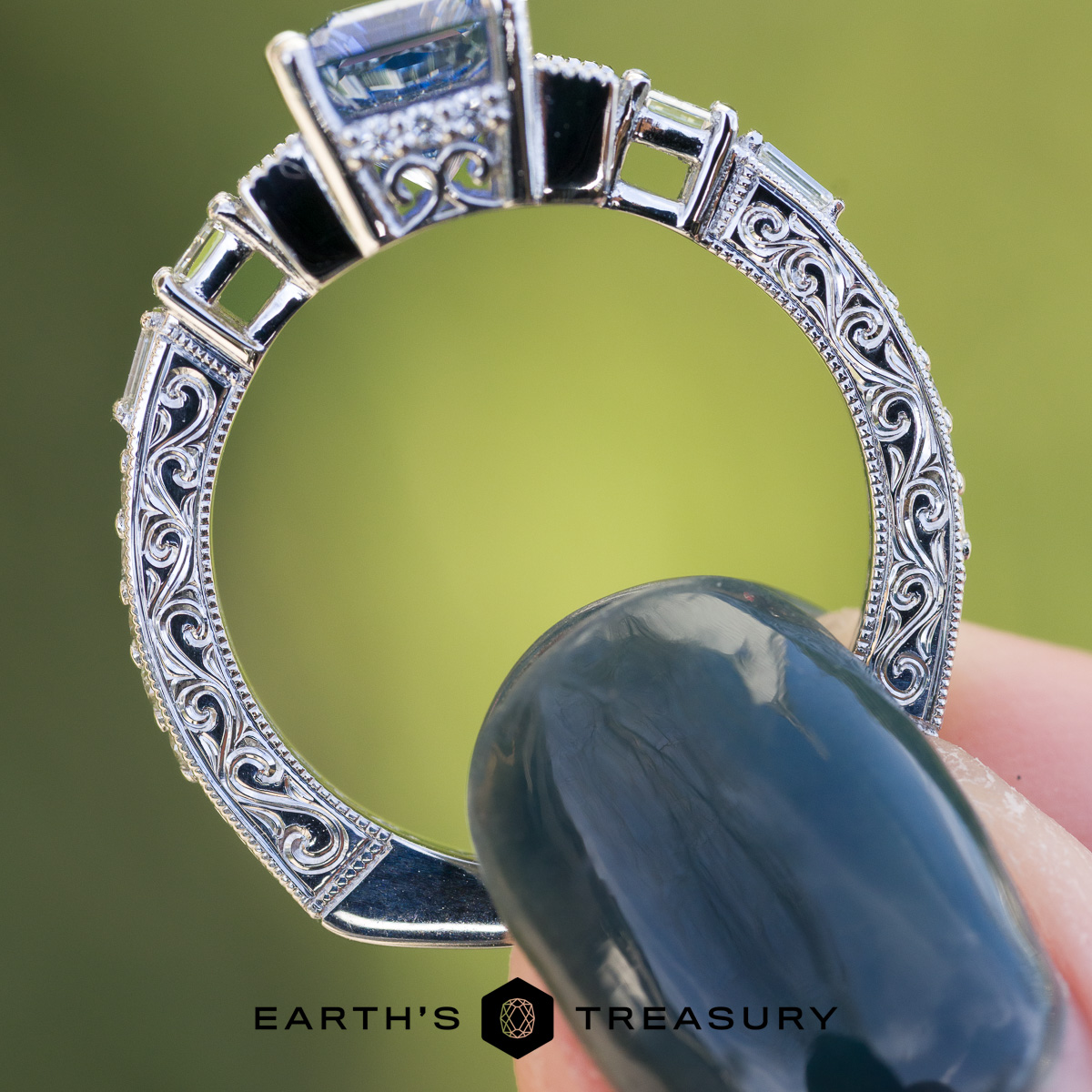
Hand engraving is a beautiful way to add a unique design to your jewelry. This technique features a design drawn out by a skilled jeweler and then carefully engraved into the surface of the metal by hand.
It allows for the creation of freeform artwork, intricate details, and truly custom patterns, as you can see below. Since the design is mapped and engraved by hand, it is often more time consuming and therefore more expensive than CAD-created details. Because of this, pricing is determined on a case-by-case basis.
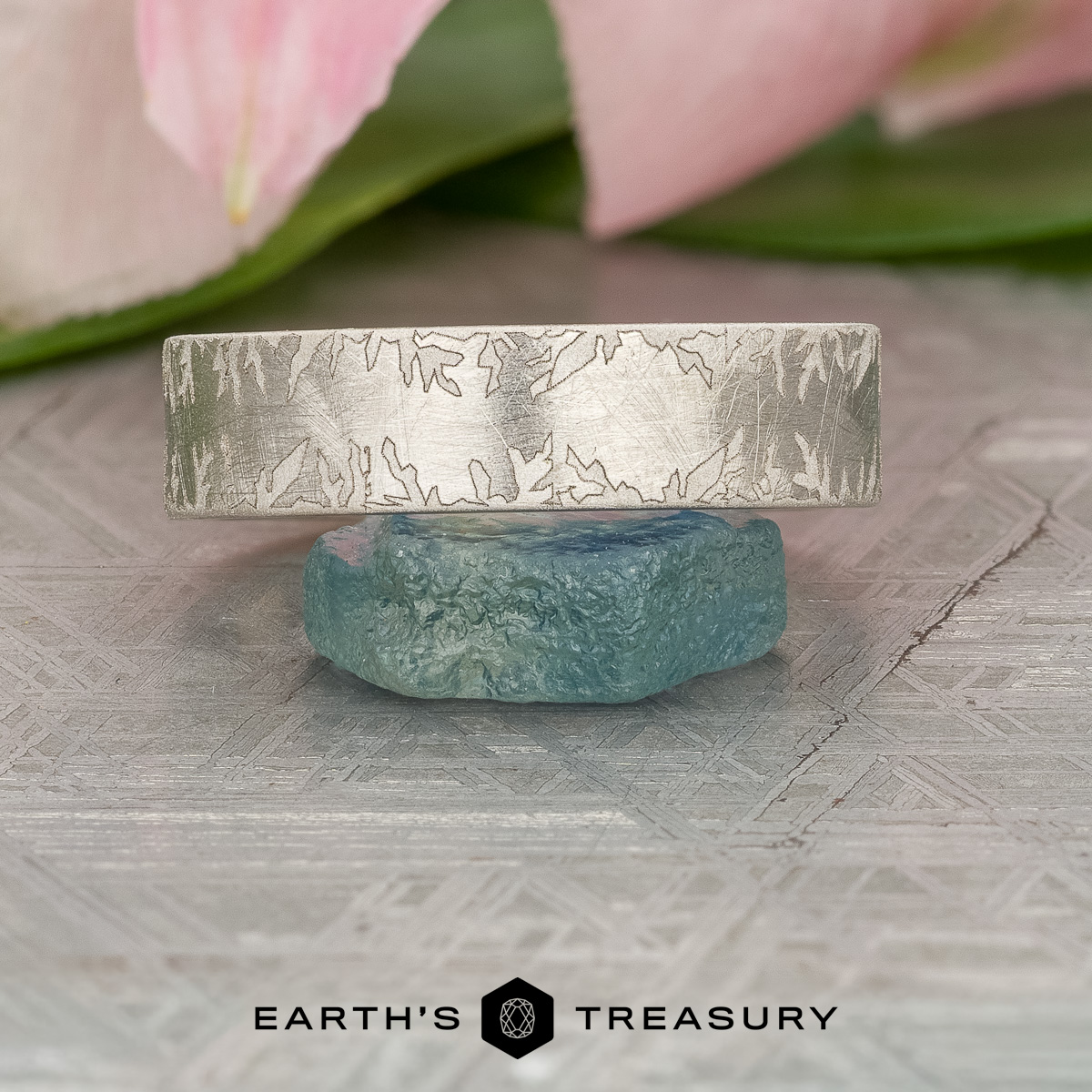
Laser Engraving
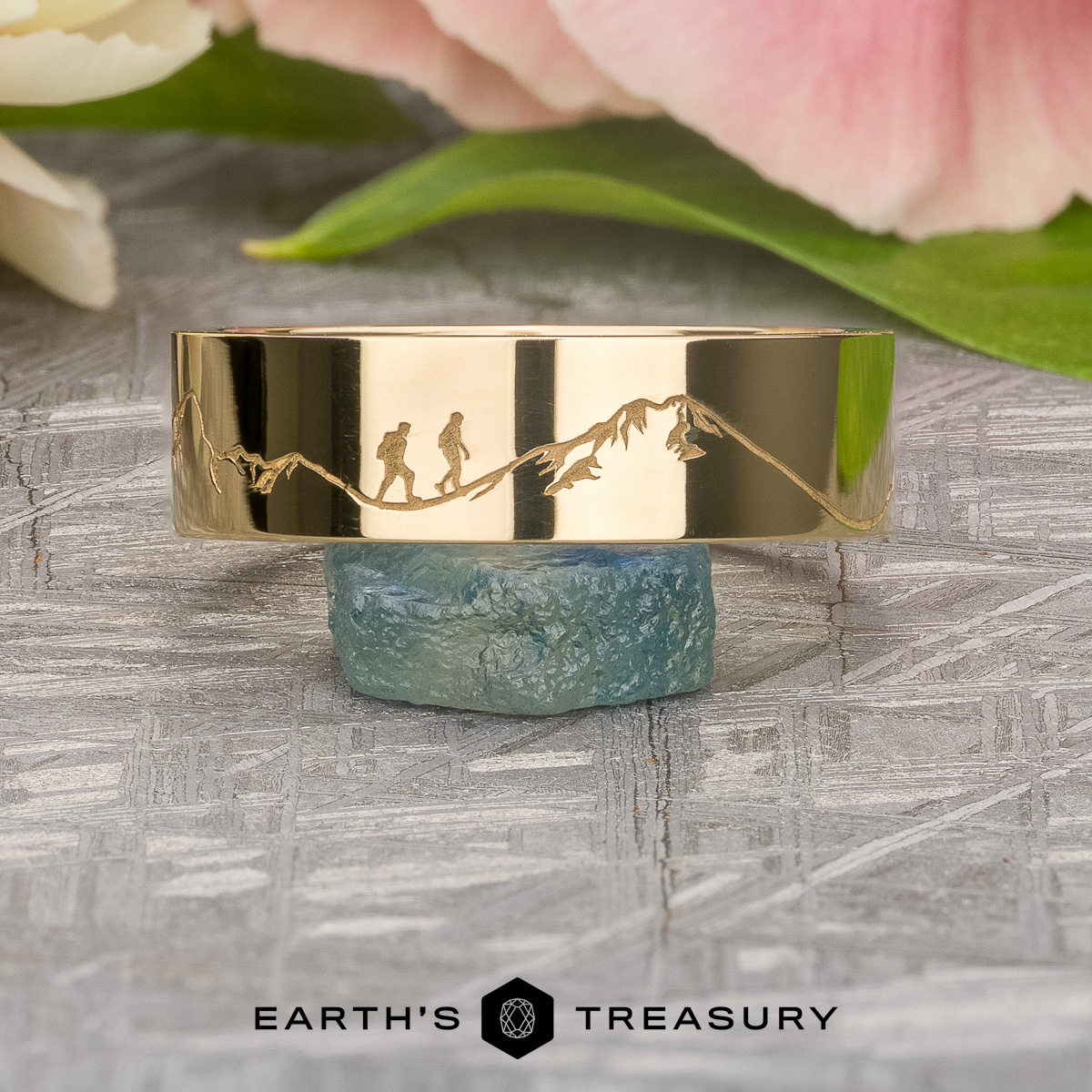
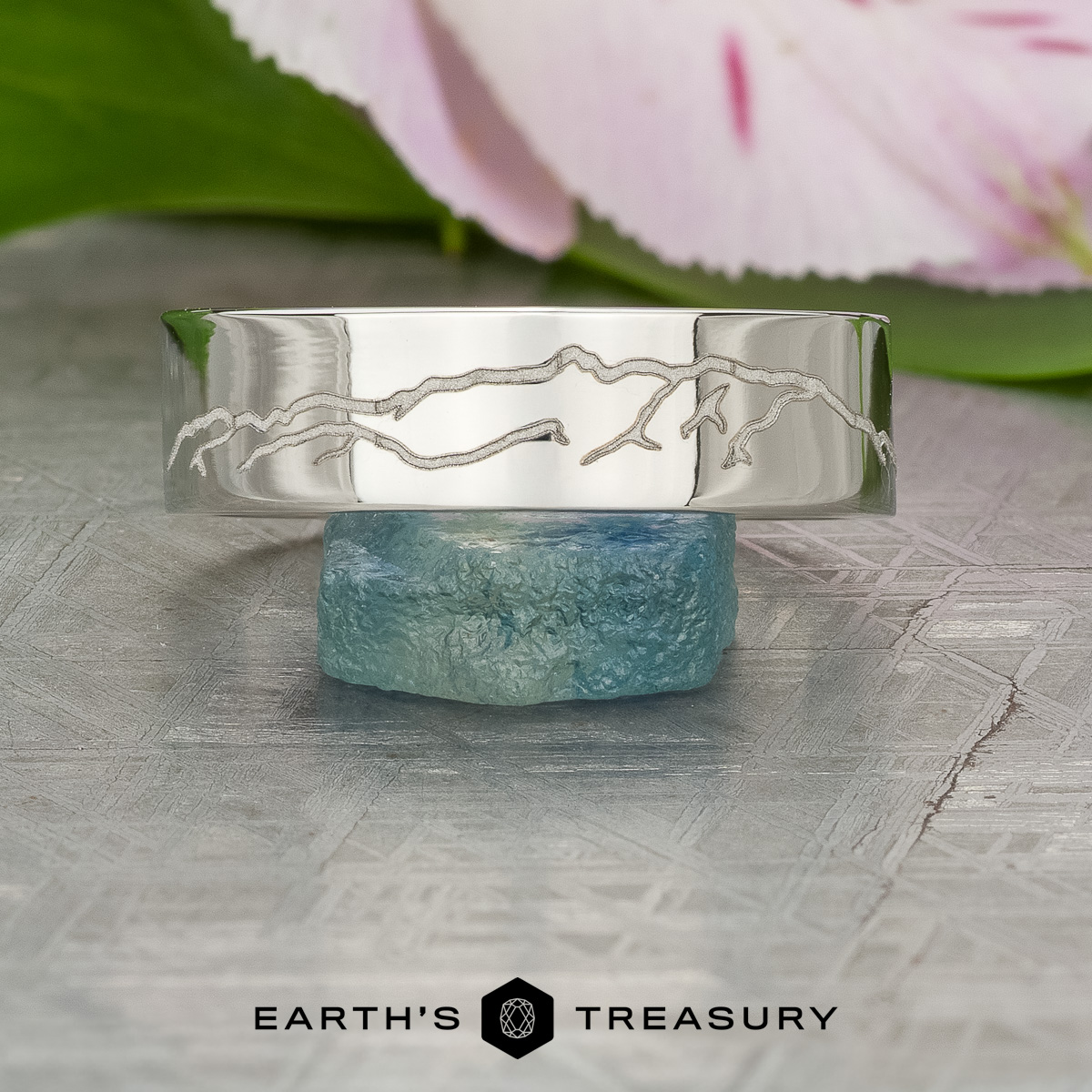
We can also use a laser to engrave patterns into your jewelry, however there are some limitations to this technique. To use the laser engraver, the design needs to be on a perfectly flat surface at least 6mm wide to accurately program and engrave the pattern. Given this, laser engraving works best for wider men’s/unisex wedding bands, like the ones shown below.
Always remember that our designers are highly knowledgeable about texture, and we’re here to help you find the perfect added detail for your ring!