




Ethical & Sustainable Mining in Montana
What do we mean when we say our Montana sapphires are ethically and sustainably mined? In a world where ‘sustainability’ can sometimes feel like a buzzword, we believe in full transparency. Mining, by nature, may not seem eco-friendly, but we want to show you exactly why we stand by our claims—and how our direct, responsible sourcing makes a difference.
Learning From the Past
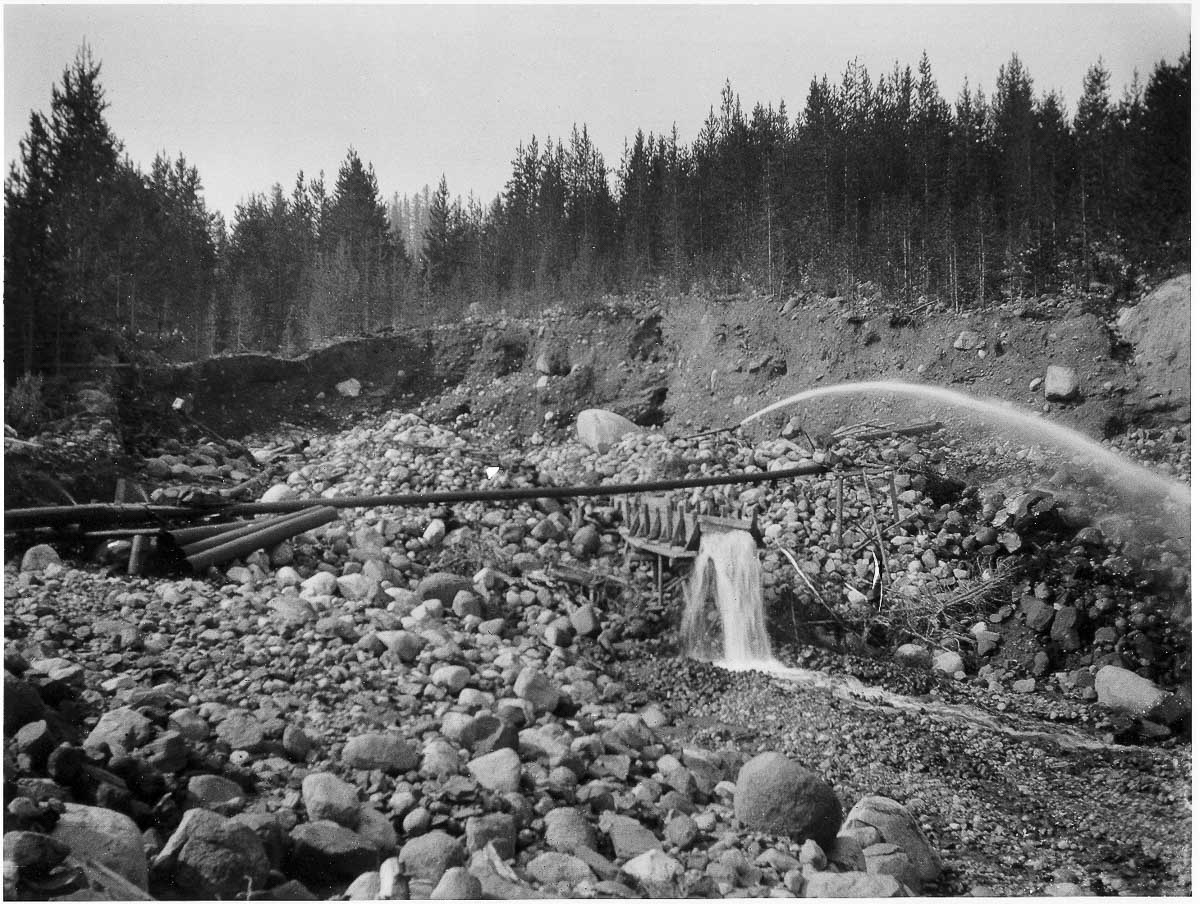
Phillipsburg, Montana, was originally founded as a gold mining town, but in 1892, sapphires were discovered in the region. At the time, hydraulic mining was a common practice, which stripped the land, polluted waterways, and left lasting scars on the landscape.
This method is no longer permitted in the U.S. or Canada, but remnants of its impact remain. In addition to mining, the forests along the mountain were often clear-cut for timber, leaving it desolate. Despite this history, nature has slowly reclaimed the land and native wildlife has returned, including endangered bull trout and native cutthroat trout. We choose to learn from the past and practice responsible mining to ensure we care for the land and the ecosystems it supports.
A New Era of Mining
Thankfully, mining practices have evolved over the years and our primary mining partner, Potentate Mining, LLC takes a methodical and responsible approach. Rather than disturbing untouched land, the mine identifies sapphire-rich areas on slopes and in the gulches where timber was previously cleared. Only a few acres are actively mined at a time, allowing the surrounding environment to recover while wildlife and cattle continue to thrive and graze in the surrounding open forestland.
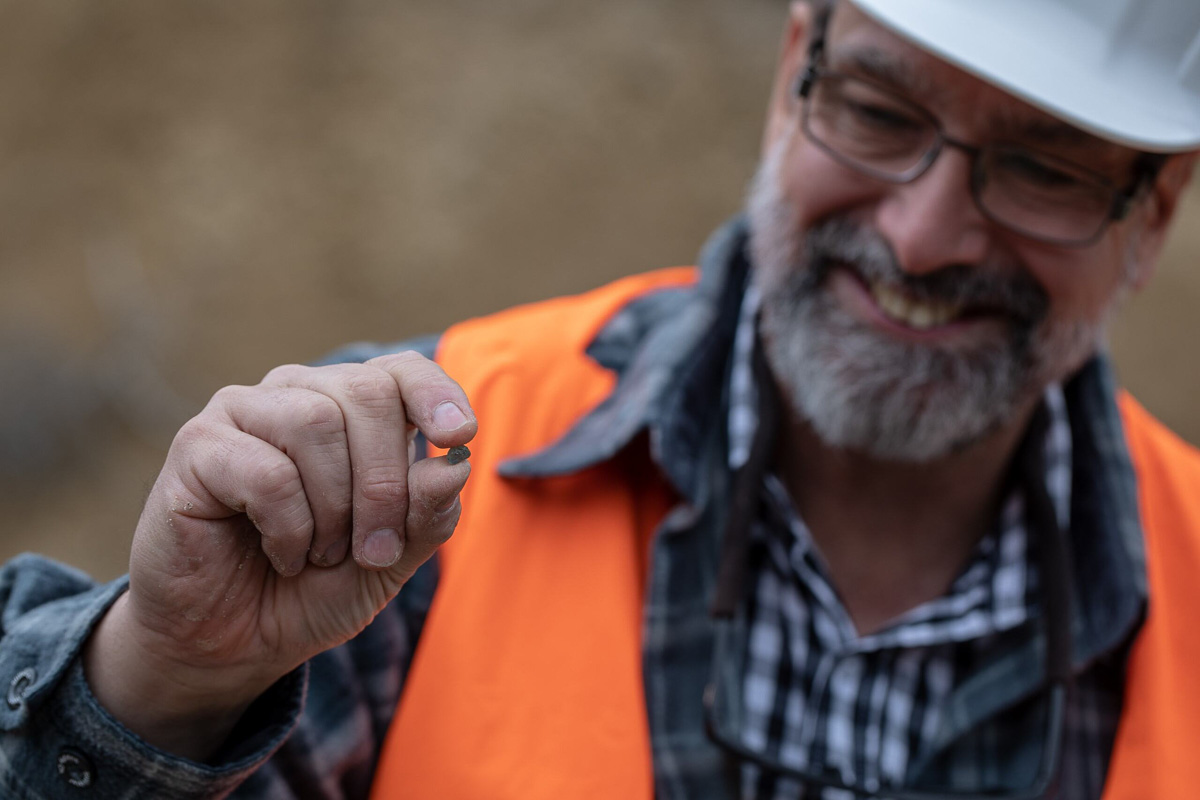
Once the rock and soil are processed through a portable screening plant, the land is carefully restored—topsoil and large rocks are backfilled, and the area is reseeded to encourage natural regeneration. The process is regulated and monitored by the Montana Department of Environmental Quality (DEQ) to ensure compliance.
Water conservation is another key priority. The mining process operates within a closed-loop system where used water is cleaned and pumped back into the equipment to avoid discarding sediment-filled water into local streams. The mine’s used water is fed into a clarifier, then directed into a settling pond where sediment naturally settles over time, leaving clean, clear water at the surface. Approximately 80-90% of this water is recirculated, significantly reducing waste and preventing pollution.
Unlike many industrial mining operations, no chemicals or pollutants are used in this process. Potentate Mining works closely with the Montana DEQ to maintain responsible practices and has also taken steps to rehabilitate land disturbed by miners over the past century.
By-products of mining don’t go to waste, either. Rocks sorted during sapphire extraction are repurposed and sold as gravel for road building and other purposes, an alternative to energy-intensive traditional crushed gravel production methods. This is yet another way the mine minimizes waste and contributes to a more sustainable resource cycle.
Gaining Perspective
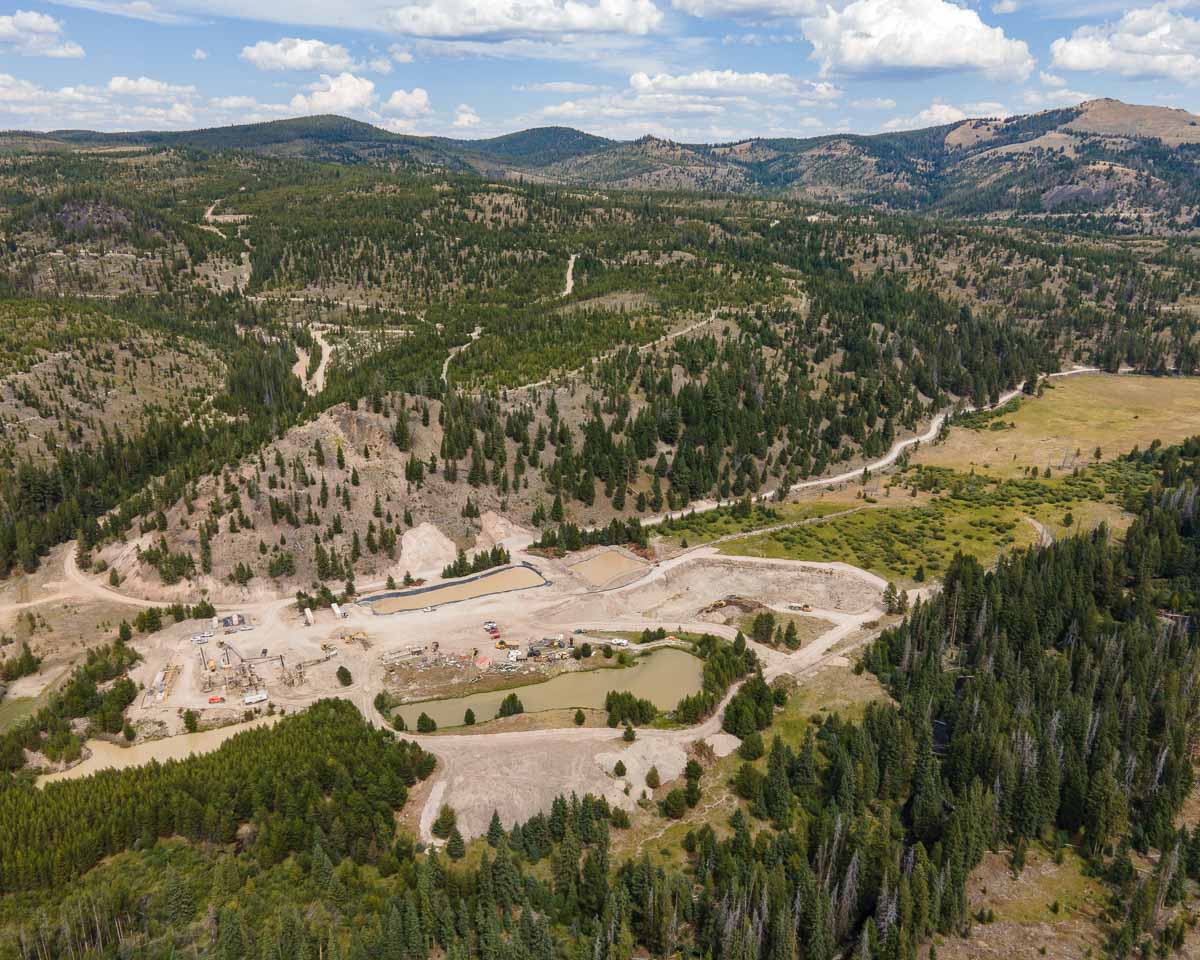
When considering the scale of mining, it’s important to put things into perspective. While The Potentate Mine is the largest sapphire mine in Montana, its impact is carefully managed. Operations are consolidated to no more than five acres at a time, ensuring that the majority of the land remains untouched or in active recovery.
As seen in the image, vast portions of the landscape are left undisturbed or are in the process of natural restoration. The mine’s commitment to land rehabilitation helps repair damage from past mining efforts while preserving the beauty of Rock Creek for future generations.